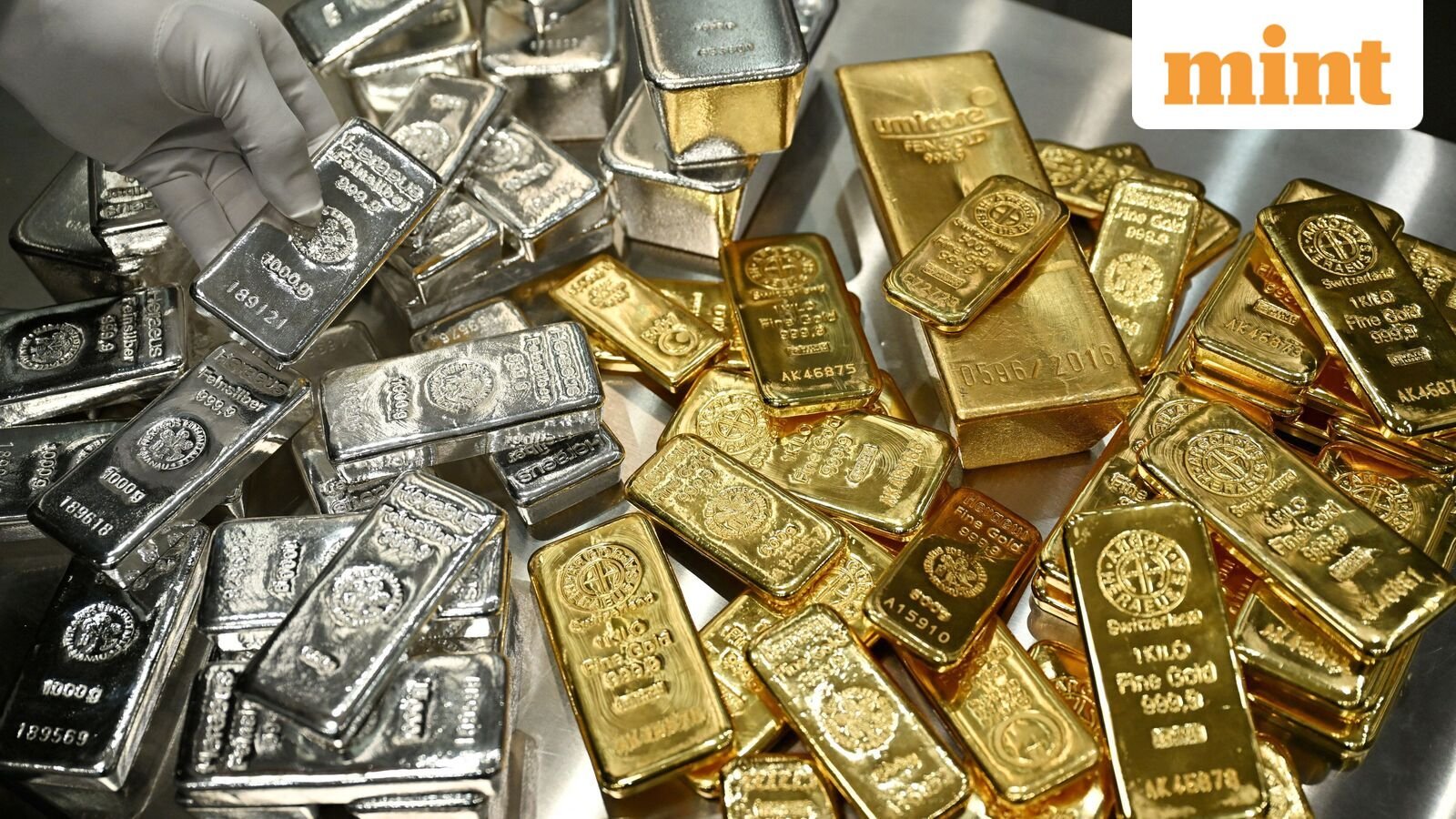
Inflows into gold exchange-traded funds (ETFs) have surpassed the money channelled into equity mutual funds for the first time, setting off concerns that investors may be piling in towards the end of a stellar bullion rally.
Monthly net inflows into gold ETFs jumped more than twofold over December to ₹24,039 crore in January, overtaking ₹24,028 crore net investments into equity funds, according to data from the Association of Mutual Funds of India (AMFI).
The January rush into gold ETFs defies losses for those who invested during the month. According to data from the National Stock Exchange (NSE), Nippon India Gold BEES, the largest gold ETF by assets, has fallen 15% since 29 January this year, when gold prices began to cool.
In the year through January, gold ETFs have recorded net inflows of ₹63,249 crore. Silver ETFs recorded a net inflow of ₹9,463 crore in January. Nippon Silver Bees ETF has plunged 30% from its peak on 29 January.
Small-cap experience
The investments in gold and silver echo the trend seen in small caps at peaks, where retail investors chased highs before corrections, according to Ankur Punj, managing director and business head at Equirus Wealth.
The Nifty Smallcap 250 index had surged 31% year to date until 11 December 2024, before slipping 25% until 3 March 2025. Net inflows into small-cap funds hit ₹5,720 crore, a nearly four-year high, in January 2025, just a month after small-cap stocks started declining.
DSP Mutual Fund’s Netra report for February questioned whether the gold rally can be sustained. Central banks have been buying gold for over five years now, and now it is a street chatter, it said, adding that it is already reflected in the price.
Gold has overtaken the US Treasury as a reserve asset due to mark-to-market gains, suggesting that central banks now hold more gold than dollars. How much more of a non-interest-yielding asset like gold can central banks hold, the report said.
While gold continues to be supported by strong underlying fundamentals, the emergence of new challenges and potential headwinds cannot be ruled out, said Chirag Mehta, chief investment officer at Quantum Asset Management Co. A resolution of recent geopolitical tensions and stabilization in the U.S. dollar could exert short-term downward pressure on gold prices, he said.
What should investors do?
Punj of Equirus Wealth said that gold should be viewed as a diversification tool with a 10-15% allocation to the portfolio.
Viraj Gandhi, chief executive officer at Samco Mutual Fund, cautioned against “gold chase trade”. Gold and silver should be part of a portfolio, but only as a measured allocation, he said. With prices having corrected, he said, new investors can consider a staggered entry rather than rushing in.