The name Jeffrey Epstein has become synonymous with one of the most disturbing sex trafficking scandals in modern history. For years, the public demanded transparency. Finally, in early 2026, millions of pages of documents were released, exposing a web of connections that reached the highest levels of power. But what exactly do these files reveal? And why did it take so long for the truth to come out?
Who Was Jeffrey Epstein?
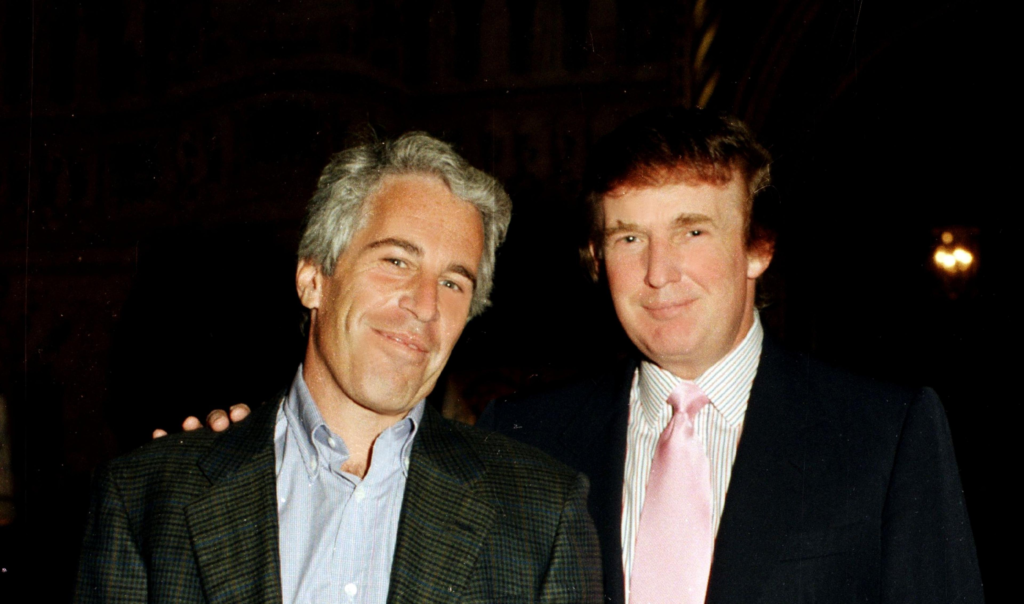
Jeffrey Epstein was a financier and convicted sex offender who created a network of underage victims for sexual exploitation. His story began in the world of high finance, where he cultivated relationships with billionaires, politicians, celebrities, and royalty. But behind the façade of wealth and philanthropy lay a horrifying reality: Epstein created a vast network of underage victims, some as young as 14, in locations including New York and Palm Beach.
Epstein’s criminal activities first came to light in 2005 when Palm Beach police began investigating after a family reported their 14-year-old daughter had been molested at his mansion. However, what followed was a controversial plea deal that many consider a miscarriage of justice.
The 2008 Deal That Outraged America
In 2008, Epstein faced serious federal charges, but the U.S. attorney in Miami signed off on a deal that let Epstein avoid federal prosecution, pleading guilty instead to a state charge of soliciting prostitution from someone under age 18 and getting an 18-month jail sentence. Even worse, he served most of this time in a work-release program that allowed him to leave jail during the day.
This sweetheart deal, orchestrated while Alexander Acosta was U.S. attorney, became a flashpoint of controversy. Years later, when Acosta served as Labor Secretary under President Trump, he was forced to resign amid renewed scrutiny of the Epstein case.
The 2019 Arrest and Shocking Death
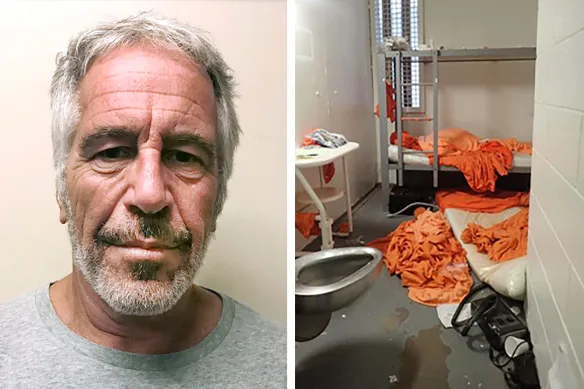
The story took a dramatic turn in July 2019 when Epstein was arrested again, this time on federal sex trafficking charges. Federal prosecutors in New York charged Maxwell with sex crimes, saying she helped recruit and abuse Epstein’s victims. The world waited for what many hoped would be a trial that would finally expose everyone involved in Epstein’s network.
But on August 10, 2019, everything changed.
How Did Jeffrey Epstein Die?
Epstein was found unresponsive at 6:30 a.m. in his jail cell at the Metropolitan Correctional Center in New York City, hanging off the side of his cell’s bed. He was transported to a hospital where he was pronounced dead.
The New York City medical examiner and the Justice Department Inspector General ruled that Epstein’s death was a suicide by hanging. However, the circumstances surrounding his death immediately sparked controversy and conspiracy theories.
Why Don’t People Believe the Official Story?
The skepticism wasn’t without reason. According to investigations, multiple failures occurred:
- Epstein was supposed to have a cellmate at all times following a previous suicide attempt on July 23, but his cellmate was transferred out on August 9, leaving him alone
- Jail guards failed to check on him every 30 minutes as required, and allegedly falsified log entries
- Two cameras outside his cell malfunctioned
- During the response, one officer stated they did not complete required rounds, with another saying “We messed up”
Perhaps most controversially, Epstein’s brother Mark hired forensic pathologist Michael Baden to oversee the autopsy, and Baden announced that autopsy evidence indicated homicidal strangulation more than suicidal hanging. However, the official medical examiner stood firmly behind the suicide ruling.
After a thorough investigation, FBI investigators concluded that Jeffrey Epstein committed suicide in his cell on August 10, 2019, a finding consistent with multiple official reviews. Yet public opinion polls suggest that only a small percentage of Americans believe that Epstein died by suicide.
The phrase “Epstein didn’t kill himself” became a cultural phenomenon and internet meme, reflecting widespread public skepticism about the official narrative.
The Files: A Years-Long Fight for Transparency
For years, victims, journalists, and the public fought for the release of government files related to Epstein. The breakthrough came when Congress passed the Epstein Files Transparency Act in November 2025, requiring the Justice Department to release all sealed files.
What’s Actually in the Files?
On January 30, 2026, an additional 3 million pages were released, including 2,000 videos and 180,000 images. The sheer volume is staggering, but what do they contain?
The files include:
- Early police reports from Palm Beach investigations
- FBI interview notes with victims
- Emails between Epstein and powerful figures
- Flight logs from his private jet
- Internal Justice Department communications
- Photos and videos documenting his social connections
- Grand jury testimony detailing the abuse
Powerful Names and Shocking Connections

The released files mention numerous high-profile individuals, though it’s crucial to note that appearing in these documents doesn’t indicate wrongdoing. The documents released include Epstein’s communications with former White House advisers, an NFL team co-owner and billionaires including Bill Gates and Elon Musk.
Additional names found in the files include:
- Former President Donald Trump
- Former President Bill Clinton
- Britain’s Prince Andrew (formerly known as Andrew Mountbatten-Windsor)
- Former Trump adviser Steve Bannon
- LinkedIn founder Reid Hoffman
- Former Treasury Secretary Larry Summers
None of Epstein’s victims who have gone public has accused Trump or Clinton of wrongdoing, and both men said they had no knowledge Epstein was abusing underage girls.
The “Client List” That Never Was
One of the most persistent myths was the existence of a secret “client list.” A systematic review revealed no incriminating client list. Attorney General Pam Bondi had claimed in a February 2025 Fox News interview that such a list was “sitting on my desk,” but this turned out to be a reference to the broader collection of case files, not a roster of clients.
The Victims: Voices Finally Heard
Perhaps the most important aspect of the file releases is that they document the experiences of over 250 survivors. One woman told a grand jury that Epstein had hired her when she was 16 to perform a sexual massage, and that she had gone on to recruit other girls, receiving $200 for every girl she brought.
An employee at Epstein’s Florida estate told the FBI in 2007 that some of his duties included fanning $100 bills on a table near Epstein’s bed, placing a gun between the mattresses in his bedroom and cleaning up after Epstein’s frequent massages with young girls, including disposing of used condoms.
The files reveal that in September 1996, Epstein survivor Maria Farmer complained to the FBI that the late financier was involved in child sex abuse, but officials failed to take steps to investigate. This revelation is particularly devastating—it shows that Epstein’s crimes could have been stopped years earlier.
Controversy Over the Release
The file releases haven’t been without problems. Attorneys representing more than 200 alleged victims asked federal judges to order the immediate takedown of the Justice Department’s Epstein Files website, calling the release “the single most egregious violation of victim privacy in one day in United States history”.
The issues included:
- Unredacted names of survivors appearing in documents
- Inconsistent redaction standards across duplicate files
- Photos showing faces of women but obscuring faces of men
- Sensitive information that should have been protected
Deputy Attorney General Todd Blanche defended the process, stating that redaction errors affected about 0.001% of materials and the department moved quickly to fix mistakes.
What Happened to Epstein’s Associates?
While Epstein died before facing trial, his longtime confidant Ghislaine Maxwell was not so fortunate. After a monthlong trial, a jury convicted Maxwell of sex trafficking and other crimes in December 2021, and she was sentenced to 20 years in prison in June 2022.
Modeling agent Jean Luc Brunel indicated he was unwilling to meet with prosecutors and would invoke the Fifth Amendment if subpoenaed, but he was later charged in France with sex crimes against minors and died by suicide in his Paris prison cell in February 2022.
Prosecutors have stated that if they discover evidence of other individuals who participated in the abuse, they will pursue charges, but so far no additional criminal cases have resulted from the file releases.
The Current State: What Happens Next?
As of February 2026, the files continue to be analyzed by journalists, researchers, and the public. The Justice Department has stated it has completed its review and that no further disclosure would be appropriate.
However, questions remain:
- Will any additional individuals face criminal charges?
- How will the documented failures of law enforcement and the justice system be addressed?
- What reforms will prevent similar abuse from happening in the future?
The Epstein case represents a catastrophic failure of multiple systems designed to protect children. From the FBI’s failure to act on complaints in 1996 to the sweetheart plea deal in 2008 to the prison failures that led to Epstein’s death, nearly every institution involved failed at critical moments.
Lessons From the Scandal
The Epstein files reveal uncomfortable truths about power, privilege, and accountability:
- Wealth and connections can delay justice – Epstein’s abuse continued for decades partly because of his connections to powerful people.
- Victims often aren’t believed – Multiple young women reported Epstein’s crimes, but investigations were inadequate or led to insufficient consequences.
- Transparency matters – It took years of legal battles and an act of Congress to force the release of these files.
- The fight isn’t over – Survivors continue to advocate for accountability and systemic change to prevent similar crimes.
Conclusion: A Scandal That Changed Everything
The Jeffrey Epstein case exposed deep flaws in how society handles allegations of sexual abuse, particularly when the accused has wealth and powerful connections. The release of millions of pages of files in 2026 provided unprecedented transparency into his crimes and the failures that allowed them to continue.
While Epstein himself will never face justice in a courtroom, the files ensure his crimes—and the system’s failures—are permanently documented. For the survivors who courageously came forward, these revelations represent both vindication and ongoing trauma as their experiences become public record.
The question now is whether society will learn from this scandal and implement meaningful reforms, or whether the next Jeffrey Epstein will be allowed to operate with similar impunity. Only time will tell.