


Balcony Gardening Setup – A Complete Beginner-Friendly Guide
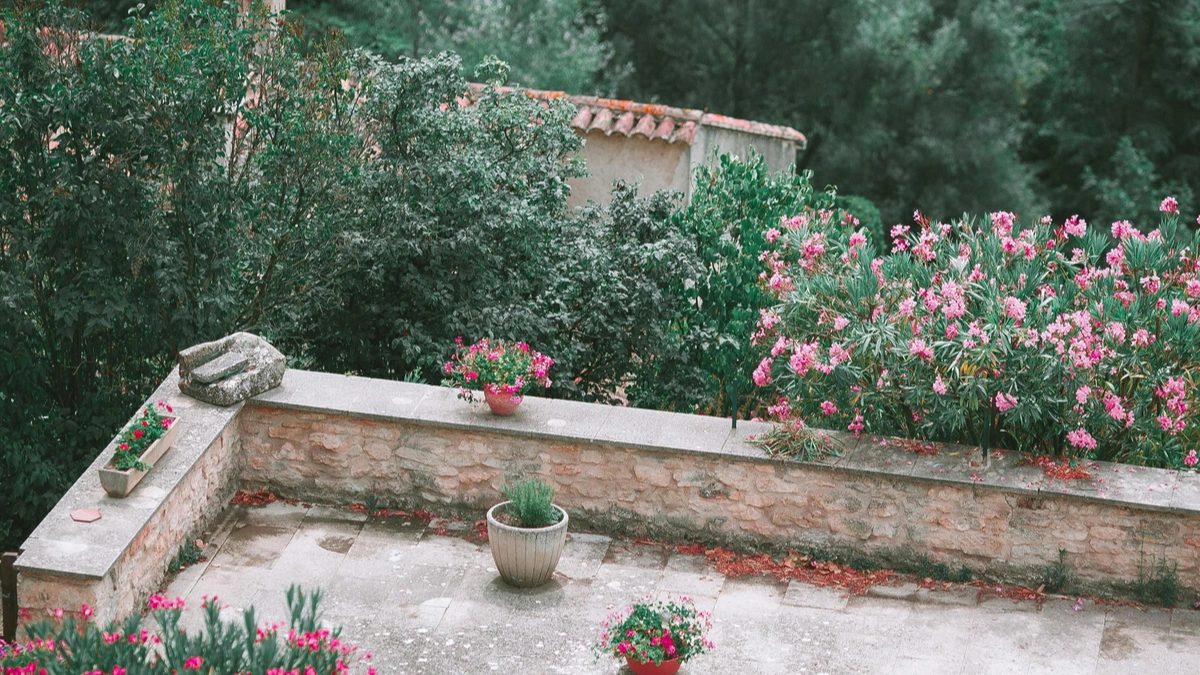
My balcony used to be just a place for drying clothes. But once I added a few plants, the space transformed completely. Today, it’s the corner where I sip tea, read books and feel close to nature even while living in the city.
In this guide, I’m sharing every step I took to set up my first balcony garden. Whether you have a tiny balcony or a medium-sized one, these practical steps will help you create a beautiful, low-maintenance green space that grows well throughout the year.
If you're also growing indoors, you may want to explore Indoor Plants for Low Light or growing your own herbs with Best Indoor Herbs.
1. Understand Your Balcony’s Sunlight
Before buying anything, I studied my balcony's sunlight for two days. This single step decides which plants will survive and which will struggle.
- Full sun (5–7 hours): Tomatoes, chillies, tulsi, succulents.
- Partial sun (3–4 hours): Mint, spinach, methi, coriander.
- Low light (1–2 hours): Money plant, snake plant, ZZ plant.
If your balcony has very low sun, pair this article with Plants for Low-Sunlight Balconies.
2. Choose the Right Pots (Lightweight & Drainage-Friendly)
I learned the hard way that heavy ceramic pots are beautiful—but almost impossible to move. For balcony gardening, I now stick to:
- Plastic or grow bags (lightweight and cheap)
- Terracotta pots (great breathability)
- Vertical railing planters (space savers)
Ensure every pot has drainage holes. This alone prevents 80% of plant deaths.
3. Use a High-Quality Potting Mix
Balcony plants grow best in a mix that is light, airy and drains well. A garden soil-only mix becomes compact and suffocates roots.
My favourite DIY mix:
- 40% cocopeat
- 40% compost
- 20% perlite / sand
4. Start With Beginner-Friendly Plants
For your first setup, choose plants that grow easily and recover quickly from mistakes.
Best beginner plants:
- Mint (grows everywhere)
- Aloe vera
- Spinach & methi
- Money plant
- Snake plant
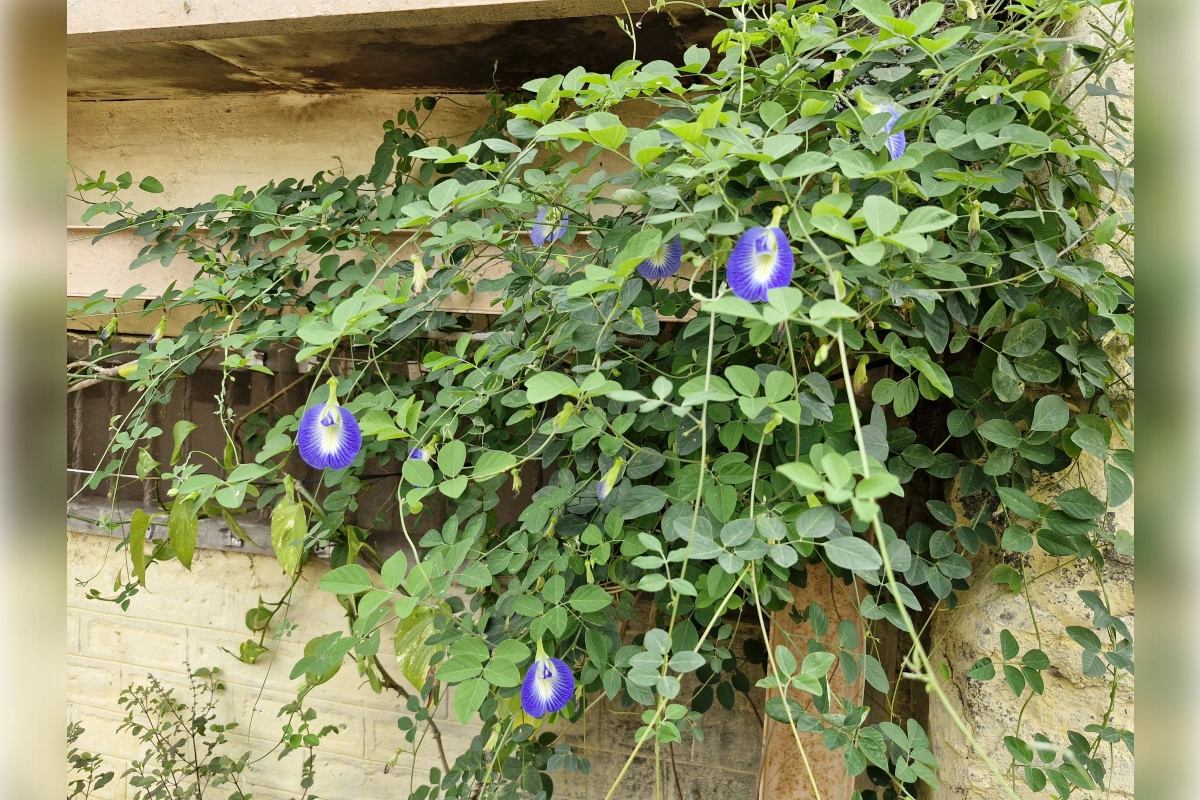
5. Grow Herbs for Daily Use
Fresh herbs make a balcony garden feel instantly alive. They also grow beautifully in small pots. Some of my favourites:
- Tulsi
- Basil
- Coriander
- Mint
- Rosemary (sun-loving)
6. Try Vegetables in Pots
Even small balconies can grow vegetables easily. Cherry tomatoes and chillies were the first vegetables I succeeded with.
For a detailed list, check out Vegetables You Can Grow in Pots.
7. Add Vertical Gardening for More Space
Vertical gardening helps you use walls, railings and stands to expand your green area. It’s perfect for small city balconies.
8. Water Correctly (The Secret of Healthy Plants)
Most balcony plants die due to incorrect watering—not lack of sunlight. Here’s the thumb rule:
- Water only when the top 1–2 inches feel dry.
- Water deeply until excess drains out.
- Avoid watering at night during winters.
9. Feed Plants With Natural Fertilisers
Chemical fertilisers work fast but harm soil long-term. So I switched to natural options:
- Vermicompost
- Banana peel water
- Eggshell powder
- Compost tea
10. Protect Plants from Pests Naturally
A simple neem oil spray once a week prevents most pests. If a plant gets infected, isolate it immediately.
11. Add Décor to Make the Balcony Feel Cosy
A balcony garden isn’t just plants—it's a lifestyle upgrade. Try adding:
- Fairy lights
- A small chair
- Hanging planters
- A jute rug
12. Maintain a Simple Weekly Care Routine
My weekly routine includes:
- Pruning dead leaves
- Checking soil dryness
- Spraying neem oil
- Turning pots for even growth
About the Author