


Best Indoor Herbs to Grow at Home in 2025 – My Most Reliable, Easy Herbs
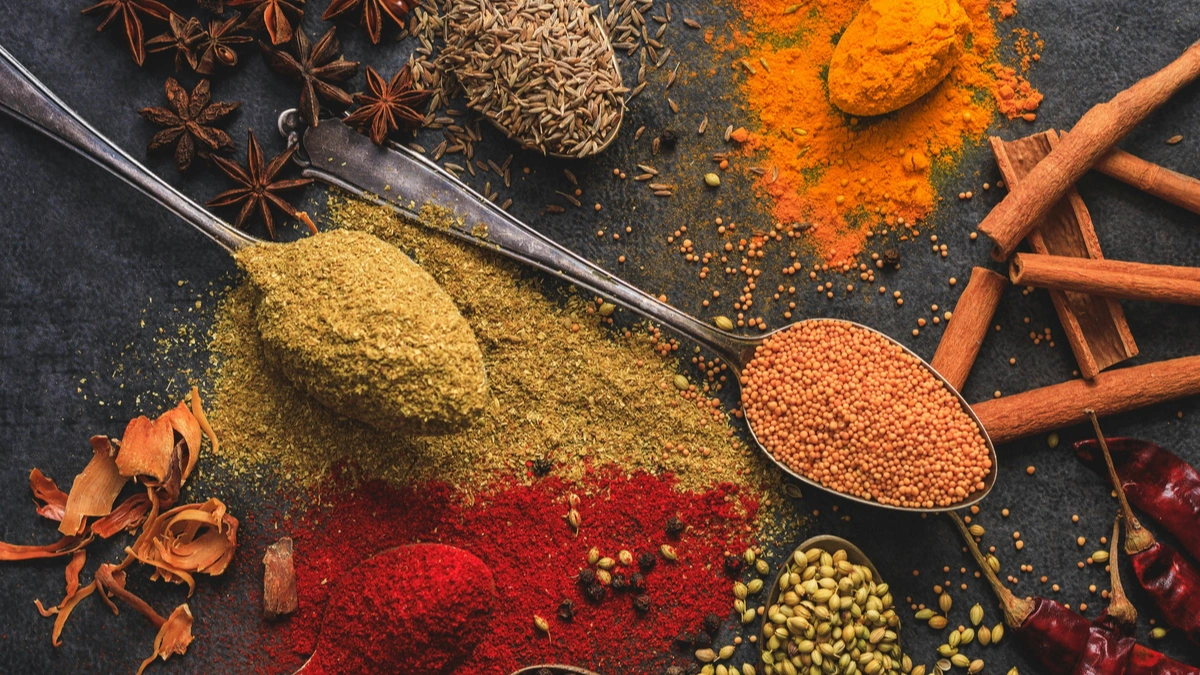
Growing your own herbs indoors is one of the easiest ways to make your home fresher, your food tastier and your kitchen a little greener. The best part? You don’t need a balcony, garden or fancy equipment. A small sunny spot, a few pots and a light potting mix are enough.
Over the years, I’ve tried many herbs on my windowsill, kitchen counter and balcony. Some grew beautifully. Some struggled. Some died (we’ve all been there).
In this guide, I’m sharing the **best indoor herbs that consistently grow well**, even in small apartments and low-light homes. And if you’re a complete beginner, my Easy Indoor Plants for Beginners guide might help you ease into indoor gardening.
What Makes a Herb Perfect for Indoor Growing?
A good indoor herb should:
- Grow well in partial sunlight or bright indirect light
- Survive in containers without deep root space
- Be forgiving with occasional watering mistakes
- Give you a continuous harvest
- Smell and taste great with minimal effort
Most herbs also prefer a light, well-draining potting mix — the same kind I recommend in my Best Potting Mix for Indoor Plants guide.
1. Basil – My Most Used Indoor Herb
Basil grows beautifully indoors as long as it gets 3–4 hours of sunlight or bright light. It loves warmth and regular pruning.
- Perfect for windowsills
- Very fast-growing
- Thrives with frequent harvesting
Tip: Always pinch the top leaves to keep the plant bushy.
2. Mint – Easiest Herb, Almost Impossible to Kill
Mint is one of the strongest indoor herbs. It doesn’t demand sunlight, grows in shade and spreads fast.
- Grows in partial shade
- Perfect for tea, chutneys and detox water
- Ideal for kitchens with low light
Keep it in a separate pot because mint spreads aggressively.
3. Parsley – Beautiful & Slow but Worth It
Parsley needs a bit more patience. It grows slowly but looks beautiful and tastes fresh.
- Ideal for salads and garnishing
- Prefers steady, indirect light
- Harvest from the outer stems first
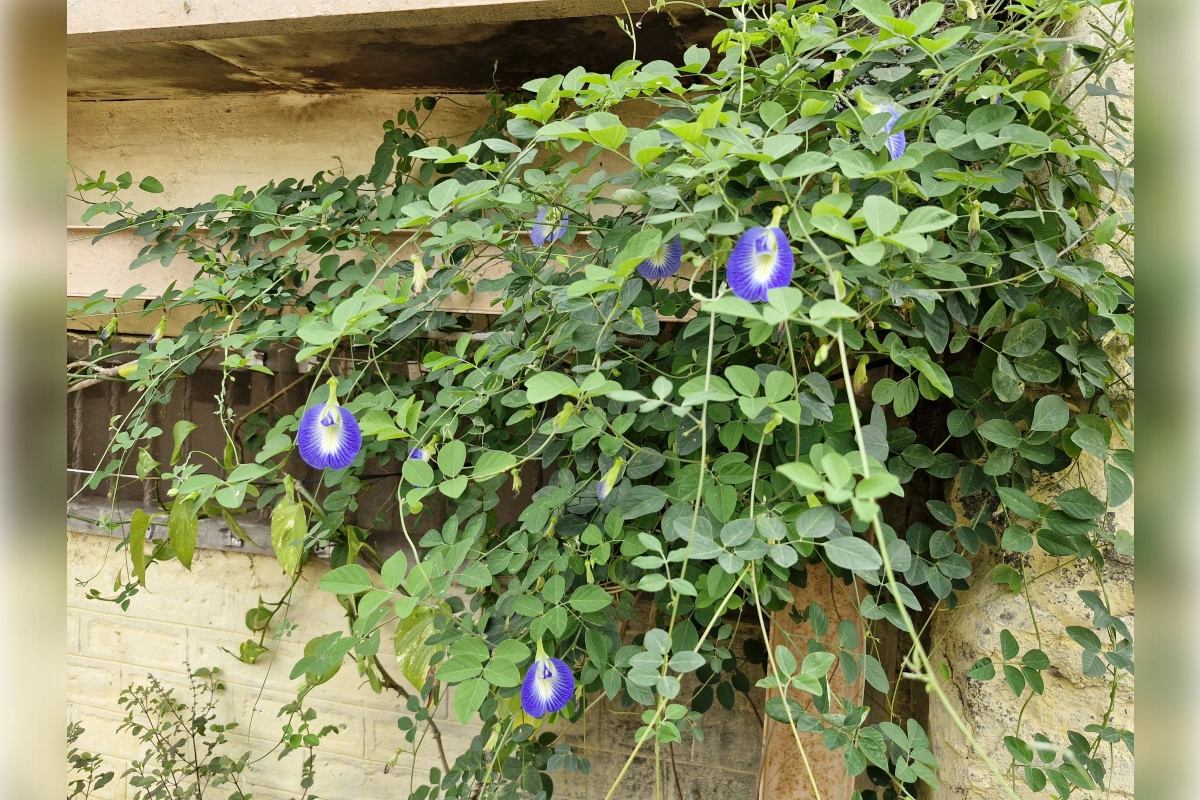
4. Coriander (Cilantro) – Quick but Temperature Sensitive
Coriander loves cool temperatures and grows quickly indoors.
- Ready to harvest in 25–35 days
- Needs consistent moisture
- Does best in wider, shallow pots
If you enjoy regrowing kitchen scraps, you'll also like my Regrow Kitchen Scraps guide where I explain how to revive coriander roots.
5. Chives – The Most Beginner-Friendly Herb
Chives taste like mild onion and grow easily indoors. They’re perfect for topping eggs, soups, noodles and rice bowls.
- Very low maintenance
- Grows in low to medium light
- Harvest by cutting near the base
6. Thyme – Small but Super Flavourful
Thyme is compact, evergreen and perfect for indoor kitchens.
- Needs minimal watering
- Survives warm indoor conditions
- Great for roasting, soups and dips
7. Rosemary – Hardy & Beautiful
Rosemary grows slowly indoors but once established, it's extremely sturdy.
- Loves sunlight
- Needs less water than other herbs
- Perfect for seasoning potatoes, pasta and grilled dishes
Best Spots to Keep Indoor Herbs
- Kitchen windowsill
- Balcony ledge
- Bright living room corner
- Near a south-facing or east-facing window
If you have a balcony with limited light, check my Low-Light Balcony Plants guide — many of those plants pair beautifully with herbs.
Final Thoughts – Build Your Mini Kitchen Garden
Indoor herbs make your home smell amazing, help reduce store-bought plastic packaging and add fresh flavour to every meal.
Start with 2–3 easy herbs like mint, basil and chives. Once you're comfortable, add parsley, coriander and thyme.
And if this inspires you to expand your plant collection, my dedicated Indoor Plants for Low Light guide is the perfect next step.
About the Author