


Best Microgreens to Grow at Home in 2025 – The Ones I Actually Grow Again & Again
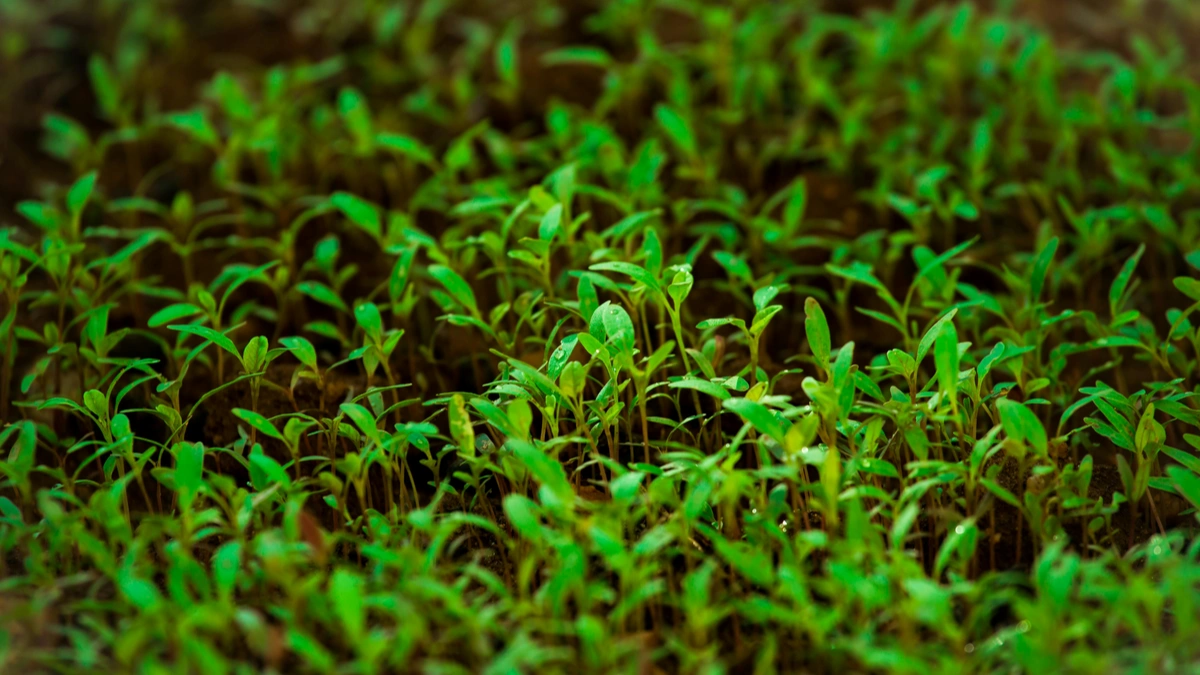
Once I started growing microgreens at home, I honestly got hooked. It felt almost magical to sprinkle a handful of seeds and see a full green tray ready in just 7–10 days. But very quickly, I also realised something important: not all microgreens are equal. Some grow faster, some taste better, and some are just more forgiving.
In this guide, I’m sharing the best microgreens to grow at home – based completely on my own kitchen experiments. These are the varieties that:
- Grow reliably in most homes and climates
- Don’t demand special lights or equipment
- Taste good in everyday food (not just salads)
- Work well whether you use soil or go soilless
If you’re just starting, you might also like my full Microgreens for Beginners guide, where I’ve shared a complete step-by-step routine.
What Makes a Microgreen “Good” for Home Growing?
When I say “best” microgreens, I’m not talking about rare or exotic seeds. I simply mean microgreens that:
- Germinate fast – so beginners don’t lose patience
- Grow densely – so a small tray actually gives a decent harvest
- Don’t need perfect conditions – no fancy grow lights needed
- Taste good in everyday dishes – sandwiches, omelettes, dal, rice bowls and more
The list below is a mix of subtle, spicy, crunchy and super-nutritious microgreens that I’ve grown repeatedly over the last few years.
1. Sunflower Microgreens – Crunchy & Crowd Favourite
If I could recommend only one microgreen to a beginner, I’d choose sunflower. They’re thick, juicy, slightly nutty and feel more like a mini salad than a garnish.
Why I love them:
- Very high success rate – they sprout strongly
- Ready in about 7–8 days
- Work with both soil and soilless methods
- Kids actually enjoy eating them
I usually scatter them generously in a tray and grow them either on cocopeat or on a good tissue/grow mat like in my no-soil microgreens method.
2. Radish Microgreens – Fastest & Most Dramatic
Radish microgreens are the overachievers of this world. They germinate in about a day and often look harvest-ready by day 5 or 6. They come with a spicy kick very similar to full-grown radish.
Perfect if you:
- Want very quick results
- Like bold flavours in sandwiches and chaats
- Enjoy a bit of spice in your food
Because they grow so fast, radish microgreens are ideal when you’re just getting used to watering, light and tray setups.
3. Pea Shoots – Most Satisfying Harvest
Pea shoots taste exactly like the tender top of a pea plant – sweet, crunchy and very fresh. They grow taller than most microgreens, which makes harvesting them almost too satisfying.
Why pea shoots are worth the extra few days:
- Ready in 10–12 days
- Great in stir-fries, noodles and salads
- Often regrow once after a light harvest
They do best in a slightly deeper tray with a good base. If you’re comfortable handling potting mix, you can use a light blend similar to what I would pick for indoor pots – just like in my best potting mix for indoor plants guide.
4. Broccoli Microgreens – Tiny but Super Nutritious
Broccoli microgreens are a favourite in the health world. They’re known for being incredibly nutrient-dense and are surprisingly mild and pleasant in taste.
Good for you if you:
- Prefer subtle flavours over spicy ones
- Want something that disappears nicely into meals
- Like adding nutrition to smoothies, sandwiches and bowls
They usually take 7–9 days to reach a full tray and do well on both soil and soilless setups.
5. Mustard Microgreens – Strong, Spicy & Fun
Mustard microgreens are for days when I want my food to wake up. They have a sharp, wasabi-like punch that instantly lifts sandwiches, parathas and salads.
Why they’re great:
- Very fast-growing (6–7 days)
- Minimal effort, high flavour payoff
- Perfect in small amounts as a garnish
6. Fenugreek (Methi) Microgreens – Easy Indian Classic
If you live in India, you probably already have methi seeds at home. Those same seeds can become amazing microgreens – soft, aromatic and slightly bitter in a good way.
- Budget-friendly – seeds are inexpensive and easy to find
- Ready in around 8–9 days
- Delicious on rotis, parathas or poha
It’s also a great option if you want to keep your gardening as zero-waste as possible, since you’re often using pantry seeds you already own.
7. Wheatgrass – For Juices & Smoothies
I don’t juice wheatgrass daily, but I love growing it because it looks like a tiny indoor lawn. It’s one of the easiest microgreens to maintain once you get the watering right.
- Ready in 8–10 days
- Great for occasional health shots
- Beautiful to keep near a window or kitchen counter
Which Microgreens Should You Start With?
If you’re completely new, I’d suggest this order:
- Start with radish or sunflower for quick success.
- Move to broccoli and methi once you get comfortable.
- Add pea shoots and wheatgrass when you want bigger trays.
And remember, you don’t need soil if you don’t want the mess. In my Microgreens Without Soil guide, I’ve shared the exact tissue + tray setup I use in my own kitchen.
How I Use Microgreens in My Daily Meals
Here are some of my favourite, very realistic ways to eat microgreens:
- On top of scrambled eggs or omelettes
- Inside grilled sandwiches and wraps
- On homemade pizza after baking
- As a final topping on dal, khichdi or rice bowls
- Mixed into salads along with regular greens
I don’t treat them as something “fancy” – I just think of them as fresh little nutrition boosters that I can sprinkle on pretty much anything.
Final Thoughts – Build Your Own Microgreen Routine
The best part about microgreens is that they fit easily into a busy, indoor lifestyle. You can grow them in a 1BHK apartment, a hostel room or a big house – all you really need is a tray, good seeds and a small corner with light.
If you want to build a simple routine, you could do something like this:
- Week 1: Start with sunflower and radish
- Week 2: Add broccoli or methi
- Week 3: Experiment with pea shoots or wheatgrass
Slowly, you’ll find your own favourites and your own rhythm. And if you want to take the next step into a fuller indoor garden, you can explore guides like Best Indoor Herbs to Grow and Vegetables You Can Grow in Pots.
For me, microgreens were the entry gate into indoor gardening. Once I saw how easy and rewarding they are, everything else – herbs, balcony plants, even a proper urban gardening setup – started feeling possible. 🌱
About the Author