


Best Pots for Indoor Plants – Terracotta vs Plastic vs Ceramic
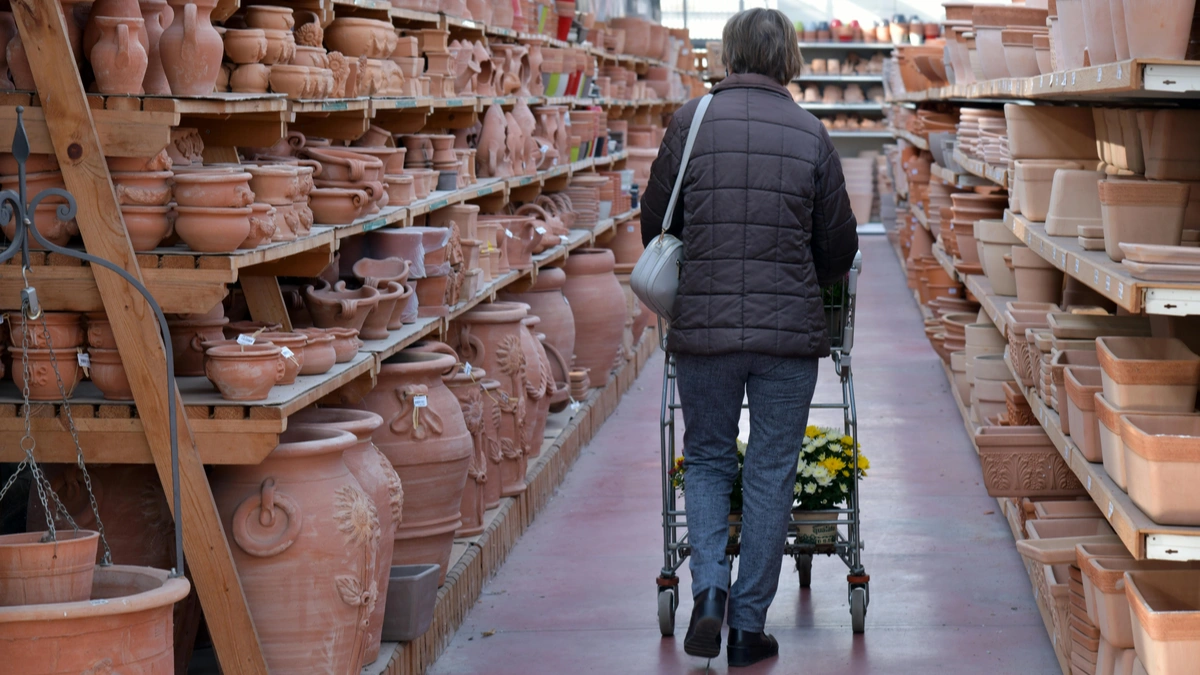
Choosing the right pot can completely change how well an indoor plant grows. Some pots dry out fast, some stay wet for days, some help roots breathe better, and some look great but aren’t always practical. Over time, I’ve realised that picking the wrong pot is one of the biggest reasons plants struggle — especially for beginners.
This guide compares terracotta, plastic and ceramic pots based on real experience, so you can pick the perfect pot for your plant and watering habits.
You may also find these useful: Overwatered vs Underwatered Plants and Best Potting Mix for Indoor Plants.
1. Terracotta Pots – Best for Plants That Hate Overwatering
Terracotta pots are my favourites for plants that prefer dry soil. The clay material allows water to evaporate slowly from the sides, which prevents overwatering — a common problem indoors.
Pros
- Dries soil faster (great for beginners)
- Roots get more oxygen
- Prevents root rot in most cases
- Perfect for succulents, cacti, snake plant, ZZ plant
Cons
- Plants need slightly more frequent watering
- Pots can become heavy in bigger sizes
- Can crack if dropped
Terracotta + Snake Plant = the perfect low-maintenance combo. More info here: Snake Plant Care.
2. Plastic Pots – Best for Low-Light or Moisture-Loving Plants
Plastic pots hold moisture longer because they’re non-porous. I usually use them for plants that prefer slightly moist soil or for low-light corners where soil naturally dries slower.
Pros
- Lightweight and affordable
- Holds moisture longer (less watering)
- Doesn’t crack easily
- Good for balconies and hanging plants
Cons
- Takes longer to dry — risk of overwatering
- Not ideal for succulents or drought-tolerant plants
Plastic pots work really well for Peace Lily, ferns and indoor palms.
3. Ceramic Pots – Best for Décor & Stable Moisture
Ceramic pots look beautiful and keep indoor plants stable because they’re heavier. They hold moisture slightly longer than terracotta but still offer breathability.
Pros
- Premium look for home décor
- Heavier — great for tall plants like Rubber Plant
- Moderate moisture retention
- Often comes in beautiful colours
Cons
- More expensive
- Can break if dropped
- Some ceramic pots have no drainage holes
I love using ceramic pots for big plants like: Rubber Plant.
Which Pot Should You Choose? (Simple Guide)
Choose Terracotta If:
- You tend to overwater
- Your plant likes drying out
- Your room has low airflow
- You’re a beginner
Choose Plastic If:
- You forget to water sometimes
- You have moisture-loving plants
- You need lightweight pots
Choose Ceramic If:
- You want décor + stability
- Your plant needs moderate moisture
Drainage Holes – The Most Important Rule
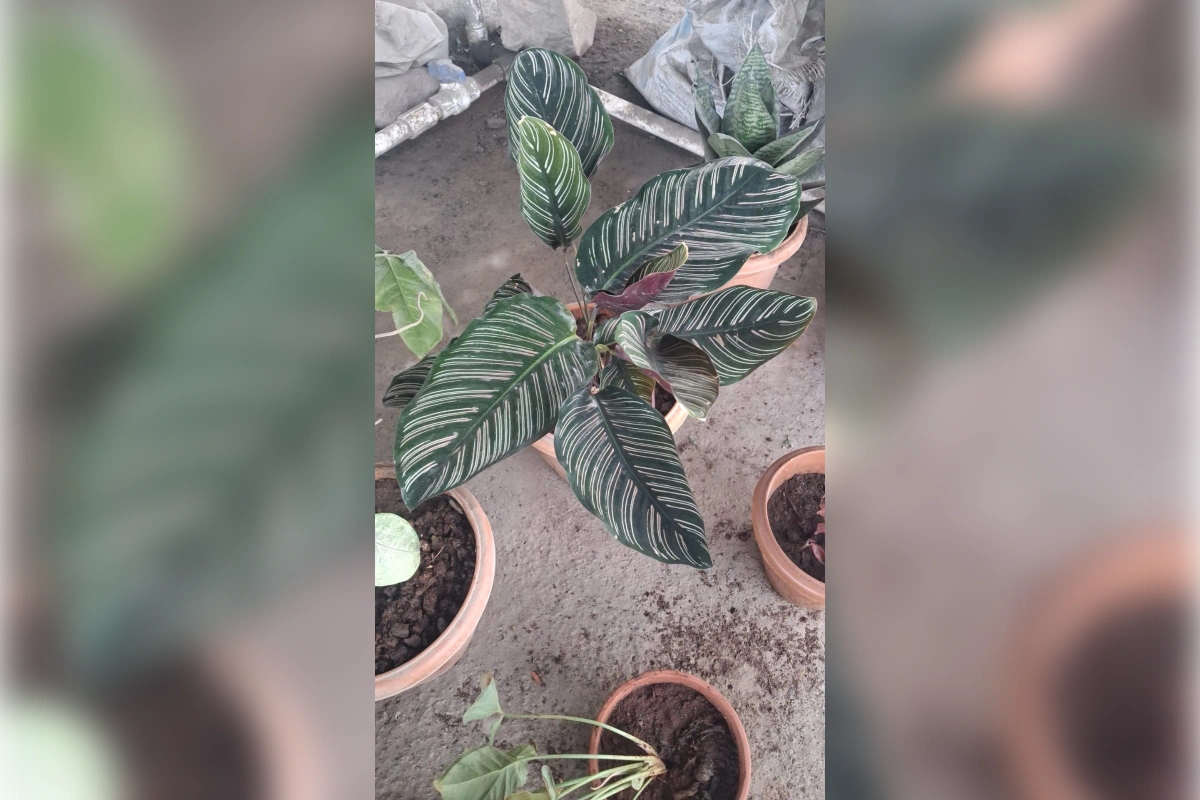
No matter which pot you choose, indoor plants absolutely need drainage holes. Without drainage:
- Water collects at the bottom
- Roots suffocate and rot
- Fungus grows quickly
If your favourite decorative pot has no holes, use it as an outer pot and keep the plant in a separate nursery pot inside it.
Which Pot Is Best for Popular Indoor Plants?
- Snake Plant: Terracotta
- ZZ Plant: Terracotta or ceramic
- Money Plant: Plastic or ceramic
- Peace Lily: Plastic
- Rubber Plant: Ceramic (for stability)
- Ferns: Plastic
If you’re seeing brown tips or yellowing, check: Brown Tips on Indoor Plants.
Final Thoughts – The Right Pot Makes Plant Care Easier
After experimenting with all types, I’ve realised that the “best pot” depends on how you water and the type of plant you have. Terracotta is forgiving, plastic is convenient and ceramic is the happy middle ground.
If you match the pot with the right plant and soil, indoor gardening becomes much smoother and worry-free.
You may also enjoy:
Best Potting Mix for Indoor Plants
Indoor Plant Lighting Guide
Fast-Growing Indoor Plants
About the Author