


Best Potting Mix for Indoor Plants – My Real 2025 Formula
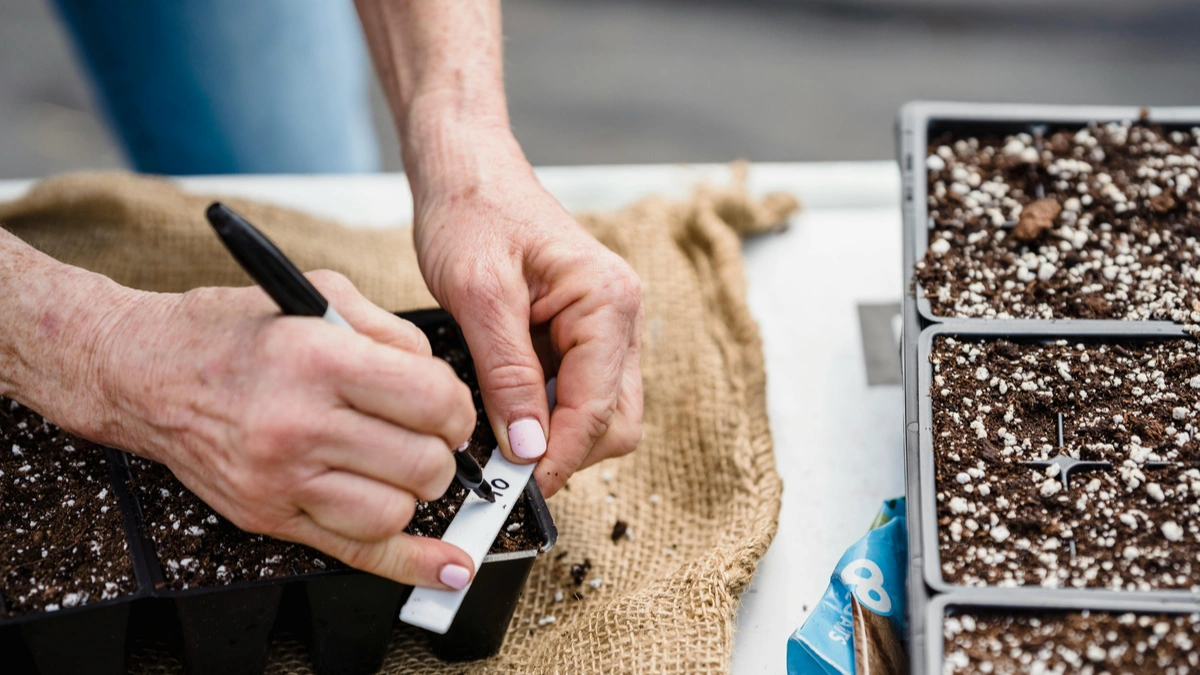
When I first started collecting indoor plants, I blamed myself whenever a plant started drooping or randomly died. Later I realised the problem was not always my watering or “plant parenting” – it was the soil mix.
Indoor plants live in a very different world than outdoor garden plants. They don’t get natural rainfall, wind or earthworms to keep soil loose. So if the potting mix is too heavy, holds too much water or compacts quickly, even the toughest plant will struggle.
In this guide, I’m sharing the exact potting mix formula I personally use for most of my indoor plants, what I add or remove for special plants, and simple tricks that keep roots healthy for a long time. If you’re also trying to fix yellow leaves, root rot or sad-looking plants, this is one of the most important things to get right.
You can pair this with my Watering Indoor Plants Guide and Indoor Plants for Low Light to build a complete, beginner-friendly indoor plant setup.
What a Good Indoor Potting Mix Should Actually Do
Most people think “more soil = more nutrition”, but indoor plants are actually happier in lighter, airier mixes. A good indoor potting mix should:
- Drain quickly so water doesn’t sit around roots for days.
- Hold some moisture so roots don’t dry out immediately.
- Let air reach the roots – roots also breathe!
- Provide gentle nutrition without burning the plant.
- Stay loose for months instead of becoming a hard block.
Plain garden soil usually does the opposite – it compacts, drains poorly, and invites pests if kept indoors. That’s why I almost never use it in my indoor pots.
My Go-To Potting Mix for Most Indoor Plants
For almost every common indoor plant (money plant, pothos, peace lily, ZZ plant, snake plant, many indoor herbs), I start with this base formula:
- 40% Cocopeat – keeps the mix soft and helps hold moisture.
- 30% Perlite – adds air pockets and improves drainage.
- 20% Compost or Vermicompost – slow, natural nutrition.
- 10% Bark pieces or Coco Chips – keeps the structure chunky and loose over time.
I love this mix because it:
- doesn’t feel muddy even after watering,
- dries out at a comfortable speed,
- lets roots spread easily,
- doesn’t become rock hard in a few months.
If you don’t want to mix ingredients yourself, you can start with a good store-bought potting mix and simply add extra perlite and a little compost.
When I Change the Mix for Specific Plants
While the base mix works for most indoor plants, I tweak it slightly for some:
- Snake plant & ZZ plant – they prefer drier soil. I increase perlite and bark and reduce cocopeat a bit.
- Peace lily & ferns – they like slightly more moisture. I add a little extra cocopeat and compost, and reduce perlite just a bit.
- Indoor herbs – I keep the mix similar, but make sure pots have great drainage holes, because herbs hate sitting in water.
If you’re more into edible greens, you can also check my Microgreens for Beginners for soil and non-soil options that work well in small spaces.
Why Perlite Is So Important for Indoor Plants
If there is one ingredient that changed my plant life, it’s perlite. Those small white pieces you see in good potting mixes are not just fillers – they create air gaps so roots can breathe.
Perlite helps:
- prevent over-compaction of soil,
- water drain faster through the pot,
- reduce the risk of root rot,
- keep pots lighter and easier to move.
If your current mix feels heavy or stays wet for many days, just mixing in 20–30% perlite can make a big difference.
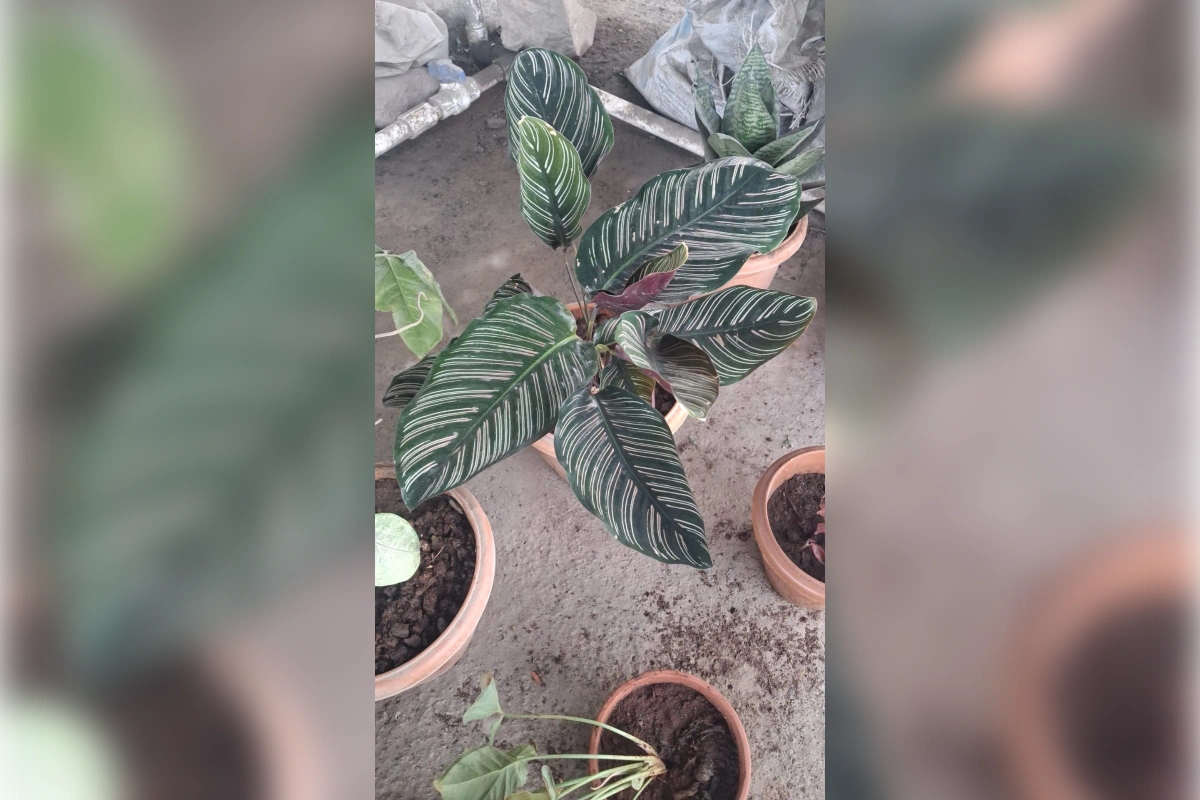
How Much Cocopeat Is Too Much?
Cocopeat is amazing for moisture, but it can be a problem if you overdo it. Too much cocopeat means the potting mix stays wet for very long, especially in low-light corners.
For most indoor plants, I personally keep cocopeat at 40–50% of the mix, never 80–90%. If I notice water not draining properly, I simply add more perlite and bark to open up the mix.
Do Indoor Plants Still Need Compost or Fertilizer?
Yes, but in a gentle way. Indoor plants don’t need heavy fertilising like outdoor vegetables. Too much chemical fertiliser can actually burn roots and cause salt build-up in pots.
What I usually do:
- Mix some good quality compost or vermicompost into the pot when planting.
- Add a thin layer of compost on top every few months.
- Use a mild liquid fertiliser once a month during growing season, if needed.
If you like using natural options, my Natural Fertilizers for Plants article has simple ideas you can make from kitchen waste and basics at home.
Common Potting Mix Mistakes I Stopped Making
Here are a few mistakes I personally made in the beginning:
- Using heavy garden soil directly in pots.
- Planting in pots without drainage holes (pretty, but deadly).
- Keeping the same soil for years without refreshing it.
- Watering too often because the top looked dry (while bottom stayed soggy).
Once I fixed the potting mix and pot choice, even my watering became easier to manage. If you’re struggling with this part, my Watering Indoor Plants Guide explains exactly how I decide when to water.
How I Refresh Old Potting Mix Without Repotting Everything
You don’t always have to change the entire pot at once. Often, I just:
- Loosen the top 3–5 cm of soil gently with a fork or stick.
- Remove some of this old soil and compost.
- Mix fresh potting mix (with perlite + compost).
- Add it back on top and lightly press around the stem.
This gives roots fresh nutrition and better aeration without disturbing the plant too much.
How Often Do I Change Potting Mix Completely?
Most of my indoor plants get a proper repotting or full soil refresh every 12–18 months. I do it sooner if:
- roots are circling the pot and coming out of holes,
- soil smells strange or stays wet for too long,
- growth has slowed down for many months without any reason.
When repotting, I usually move up just one pot size and keep a similar potting mix so the plant doesn’t get shocked.
Final Thoughts – Your Soil Mix Matters More Than You Think
If your indoor plants keep getting yellow leaves, root rot or just “look tired”, don’t only blame yourself or your watering. Many times, the real villain is a poor potting mix.
Once I switched to a light, well-draining, nutrient-balanced mix, my plants stopped dying mysteriously and started growing new leaves regularly. It honestly changed how confident I felt as a plant parent.
Combine a good potting mix with simple care habits from my other guides like Urban Gardening Guide for Beginners and you’ll have a home full of happy, long-living indoor plants – even if you’re still “learning” like me.
About the Author