


Brown Tips on Indoor Plant Leaves – Causes & Simple Fixes
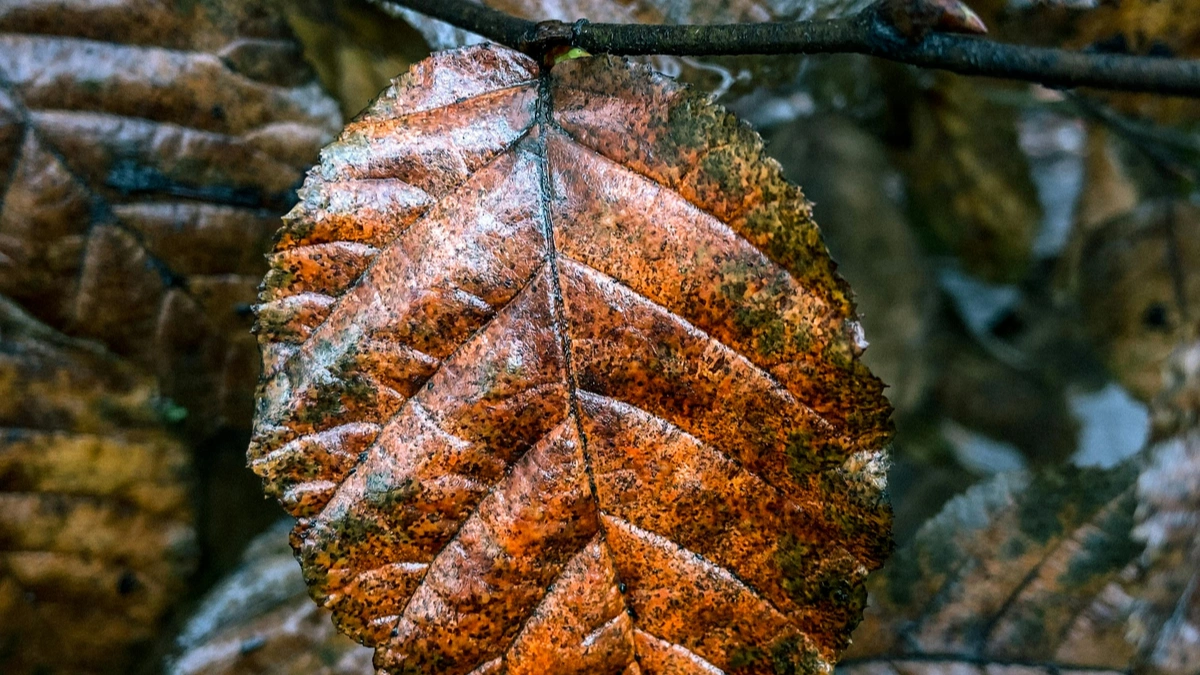
Noticing brown tips on indoor plant leaves is one of the most common plant-care problems. I’ve seen it on Money Plant, Peace Lily, Rubber Plant, ferns, and even Snake Plant at times. It looks worrying, but the good news is: brown tips are usually a sign of stress, not a sign your plant is dying.
Most of the time it comes down to water quality, humidity, soil dryness, fertilizer salts or root pressure. Once you understand the patterns, it becomes surprisingly easy to fix.
This guide walks you through each cause step-by-step so you can quickly identify what’s happening and bring your plant back to healthy, green growth. You may also find these helpful: Indoor Plant Problems – Yellow Leaves (Causes & Fixes) and Indoor Plant Watering Schedule by Season.
1. Inconsistent Watering (The #1 Cause of Brown Tips)
If the soil stays too dry for too long, the leaf tips are the first to show stress. They turn brown, papery and brittle.
Signs of underwatering:
- Brown, crispy tips and edges
- Soil pulling away from the pot
- Plant looking droopy or weak
Fix:
- Water deeply until water drains out the bottom.
- Follow a more steady schedule based on seasons.
- Use soil that stays moist but not soggy.
If watering confuses you, this guide helps a lot: Overwatered vs Underwatered Plants – Exact Signs & Fixes.
2. Low Humidity (Especially in AC Rooms)
Indoor air can get extremely dry, especially with AC or heaters. Tropical plants like Peace Lily, ferns, Calathea, and Areca Palm often react with brown tips.
Fix:
- Place a shallow tray of water near the plant.
- Cluster plants together to create local humidity.
- Mist occasionally (but not daily for fungus-prone plants).
- Keep plants away from AC vents.
3. Water Quality (Mineral or Salt Buildup)
Tap water in many cities contains minerals like chlorine, fluoride and salts. These build up in the soil and damage leaf tips over time.
Signs:
- Brown tips that spread slowly
- White crust on soil surface
- Burnt-looking edges on sensitive plants
Fix:
- Use filtered or stored tap water (kept 24 hours to release chlorine).
- Flush the soil once every few months by watering deeply.
- Check for soil crust – remove and replace top layer if needed.
4. Fertilizer Burn (Overfeeding)
Indoor plants need far less fertilizer than outdoor plants. A little goes a long way. Too much fertilizer can burn the leaf tips quickly.
Signs:
- Brown tips that look sharp and burnt
- Soil crust or fertilizer smell
- New growth weak or deformed
Fix:
- Reduce fertilizer frequency.
- Use half-strength liquid fertilizer during the growing season.
- Flush soil to remove excess salts.
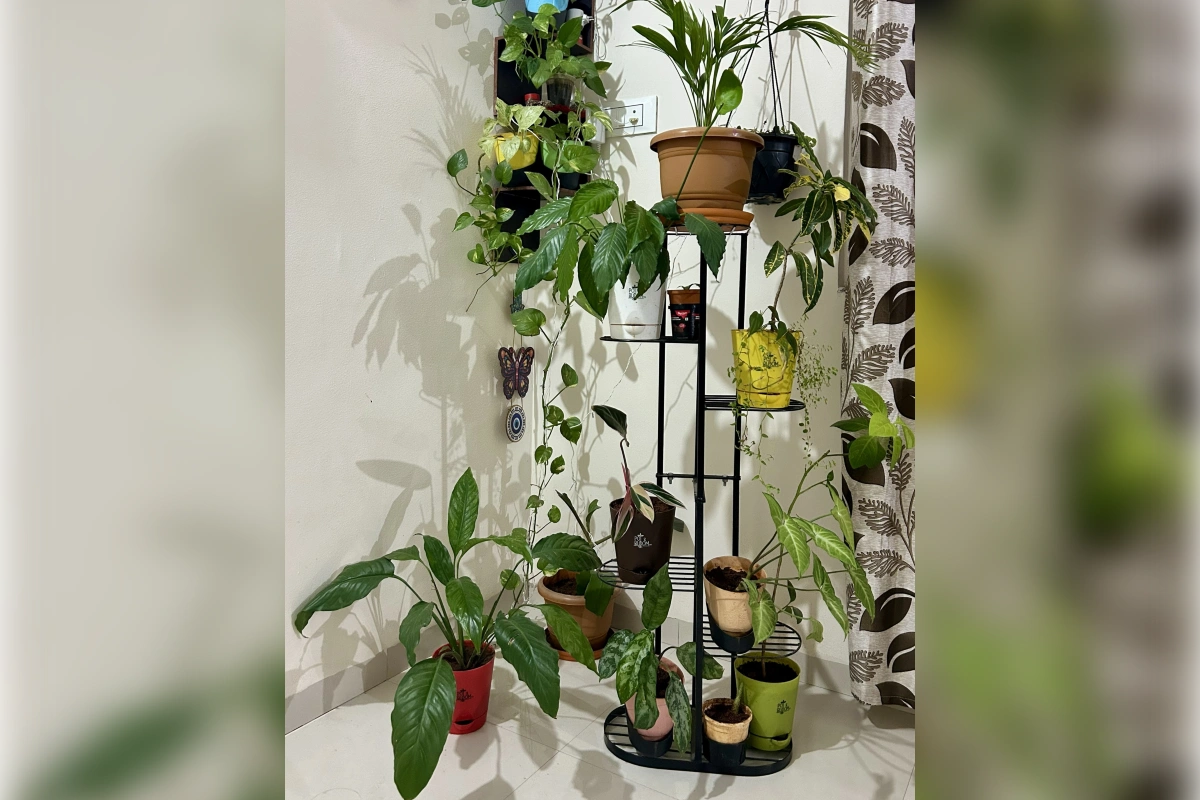
5. Root Stress or Tight Pots
When roots run out of space, the plant cannot take up water evenly, which leads to brown tips.
Signs:
- Roots circling the pot bottom
- Water running straight through without soaking soil
- Slow, weak new growth
Fix:
- Repot into a pot 2–3 inches bigger.
- Use fresh soil with good drainage.
- Trim any dead or rotting roots.
6. Heat Stress or Direct Sun
Direct, harsh sunlight can scorch leaf tips and edges, especially on plants like Peace Lily, Rubber Plant, Money Plant and ferns.
Fix:
- Move the plant slightly away from the window.
- Use sheer curtains to soften harsh afternoon sun.
- Rotate the pot occasionally for even growth.
7. Old Age or Natural Leaf Cycle
Sometimes brown tips are simply part of the natural ageing process. Older leaves eventually dry at the tips or edges before falling off.
If new growth looks healthy, there’s nothing to worry about. Trim old brown tips and let the plant focus its energy on fresh leaves.
How to Trim Brown Leaf Tips Correctly
Trimming brown tips won’t harm your plant. It simply makes it look cleaner and more cared for.
How to do it:
- Use clean scissors.
- Follow the natural leaf shape while trimming.
- Do not cut into the green healthy part too deeply.
- Remove entire leaves only if they are mostly brown.
How to Prevent Brown Tips in the Future
- Follow a consistent watering pattern.
- Use filtered or stored water if tap water feels too harsh.
- Avoid overfertilizing – indoor plants need less.
- Repot when roots feel crowded.
- Increase humidity for tropical plants.
If humidity or watering have been a challenge, these guides help a lot:
Indoor Plant Watering Schedule by Season
Indoor Plant Lighting Guide
Final Thoughts
Brown tips may look dramatic, but they’re usually one of the easiest plant problems to fix. A little attention to watering, soil moisture, humidity and fertilizer habits goes a long way. Focus on new growth — if it’s green and healthy, your plant is on the right track.
If you want to explore more indoor plant care issues, these guides connect well with this topic:
Yellow Leaves – Causes & Fixes
Gnats in Indoor Plants – Natural Removal
Best Potting Mix for Indoor Plants
About the Author