


Composting for Beginners — How I Turn My Kitchen Waste Into Natural Fertilizer
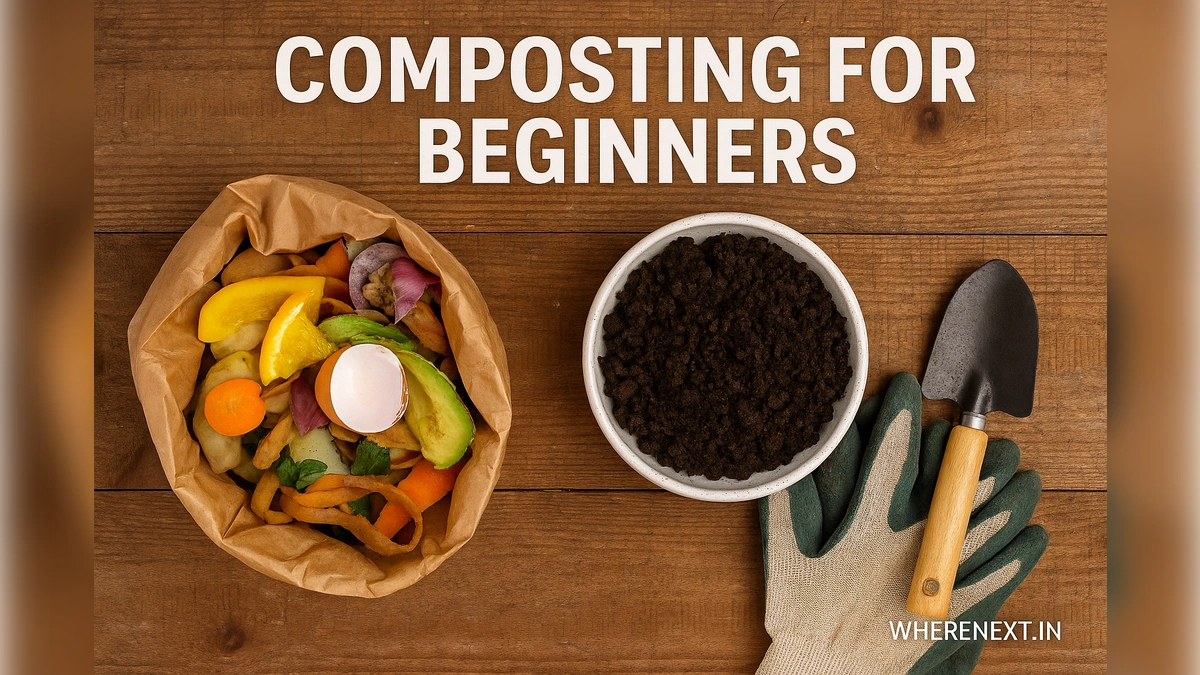
When I first heard about composting, I thought it was something only “gardening experts” could do. But when I actually tried it, I realised how simple it is — and honestly, how good it feels to turn daily waste into something useful.
In this guide, I’m sharing the exact composting process I personally use at home. No fancy bins, no complicated methods — just a simple routine anyone can follow.
If you're building an eco-friendly lifestyle overall, this article connects perfectly with my main sustainability guide:
👉 Ultimate Sustainable Living Guide
Why I started composting (the real reason)
I noticed how much kitchen waste I was throwing away — fruit peels, vegetable scraps, tea powder, leftover rice and so on. Most of it was biodegradable, yet it was ending up in plastic bags.
One small compost bin solved that problem. Today, my dustbin stays cleaner and lighter.
The two types of compost materials: Wet & Dry
This is the part that confused me initially. But once I understood the balance, my composting became super simple.
Wet waste (Green material)
- Fruit peels
- Vegetable scraps
- Tea powder
- Coffee grounds
- Cooked food (very small amounts)
Dry waste (Brown material)
- Dry leaves
- Newspaper pieces
- Cardboard bits
- Coconut husk
A good compost mix is simply: 1 part wet + 2 parts dry.
My simple composting method (step-by-step)
I personally use a basic bucket or plastic bin with holes. Here’s exactly what I do:
Step 1: Start with a layer of dry waste
Newspaper or dry leaves go at the bottom.
Step 2: Add kitchen scraps
Fruit peels, veggie scraps, tea powder, etc.
Step 3: Add another layer of dry waste
This prevents smell and flies.
Step 4: Mix every 2–3 days
Just use a stick — nothing fancy.
Step 5: Keep it slightly moist
If it’s too dry, sprinkle water. If it’s too wet, add dry material.
Within 6–8 weeks, the waste turns into rich, soil-like compost.
Does compost smell bad? My honest answer
No — if the dry and wet balance is right, it smells like soil, not garbage. In the beginning, mine smelled a bit weird because I added too much wet waste. After adjusting, the smell went completely away.
If you want to reduce plastic waste in your kitchen overall, this guide helps:
👉 How I Reduce Plastic in My Daily Life
Where I use the compost
I use my compost:
- in potted plants
- for balcony herbs
- for outdoor plants
My plants genuinely look healthier now — softer soil, better growth, and no chemical fertilizers needed.
If you're trying to reduce waste from cooking as well, my eating guide also helps:
👉 Sustainable Eating Guide
How composting fits into my eco-friendly lifestyle
Composting became a natural extension of the habits I already had:
- I cook mindfully
- I waste less food
- I buy fewer packaged items
All these habits started from my main zero-waste journey:
👉 Zero-Waste Living for Beginners
Final thoughts
Composting is not complicated — it’s just a new habit. If I can do it in a small home with minimal time, anyone can. Start with a bucket, keep it simple, and give yourself a few weeks to get used to the routine.
Once you see your first batch of compost, trust me — you’ll feel proud every time you look at your dustbin.
About the Author