


DIY Self-Watering System for Indoor Plants – Easy 2025 Beginner Guide
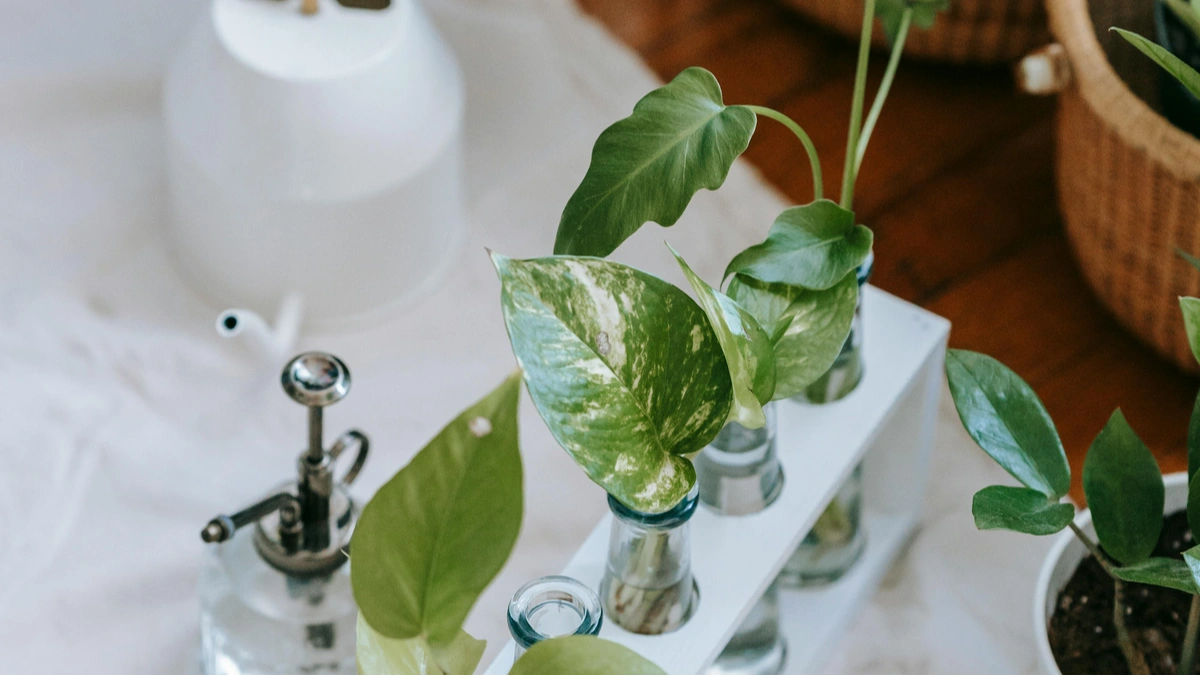
There was a time when I stopped buying new plants because I thought I was “bad at watering”. Some weeks I forgot completely, and other weeks I over-watered out of guilt. Indoor plants react quickly to inconsistent watering — yellow leaves, droopy stems, root rot. That’s when I discovered the magic of DIY self-watering systems.
The best part? You don’t need fancy gadgets. With simple home items like cotton wicks, bottles, and trays, you can create an easy, low-maintenance watering setup that keeps your plants alive even when life gets busy (or when you travel for 5–10 days).
This guide includes everything I tested myself — the systems that worked, the ones that failed, and the simple tricks that make indoor plant care stress-free. If you pair this with my Watering Indoor Plants Guide and Best Potting Mix for Indoor Plants, you’ll see a huge difference in your plant health.
Why Self-Watering Systems Work So Well
Self-watering systems deliver water slowly and consistently. Plants only drink what they need, which prevents:
- overwatering (root rot)
- underwatering (crispy leaves)
- waterlogging
- daily watering stress
Most indoor plants — pothos, snake plant, peace lily, herbs, even microgreens — love stable moisture. A self-watering setup gives them exactly that.
System 1: Wick Watering (My Favourite for Busy People)
Wick watering is the easiest method for beginners. You place a cotton rope between a water source and the soil, and the plant pulls water as needed.
What you need:
- cotton rope / shoelace / thick wool thread
- a bottle or jar filled with water
- your potted plant
How to set it up:
- Make a small hole in the soil using a pencil.
- Insert one end of the wick deep into the soil.
- Place the other end inside the water jar.
- Keep the jar slightly below the pot level for natural flow.
This system can easily keep plants hydrated for 5–7 days. I use it regularly for my pothos and herbs.
System 2: Upside-Down Bottle Watering
Perfect when you’re leaving home for a few days. The bottle slowly drips water into the soil.
You need:
- a plastic or glass bottle
- small nail or needle to make holes
- your pot
Steps:
- Heat a needle and poke 3–4 tiny holes in the bottle cap.
- Fill the bottle with water.
- Flip it upside down and bury the neck 3–4 cm into soil.
The soil drinks water gradually and stays evenly moist.
System 3: Tray Reservoir System
This is great for plants that prefer bottom watering — like peace lily, African violets and herbs.
- Place all pots on a large tray.
- Add ~1 cm water to the tray.
- The pots absorb water through drainage holes.
Just make sure the tray dries out fully before refilling to prevent fungus and gnats.
Choosing the Right Method for the Right Plant
Different indoor plants have different moisture preferences. Here’s what I personally use:
- Wick watering → pothos, money plant, herbs, spider plant
- Tray watering → peace lily, calathea, ferns
- Bottle watering → snake plant, ZZ plant, travel days
Before setting up any system, also check your potting mix. A self-watering system works best when paired with a light, airy mix like the one in my Indoor Potting Mix Formula.
Tips to Prevent Overwatering with Self-Watering Systems
Even self-watering systems can cause issues if not balanced. Here are the rules I follow:
- Use pots with proper drainage holes.
- Ensure soil is airy (add perlite + bark).
- Keep water source slightly lower than pot level.
- Reduce water flow for plants that prefer drier conditions.
- Stop wick watering if leaves look mushy or yellow.
How Long Can a Self-Watering System Last?
This depends on:
- plant size
- pot size
- temperature & sunlight
- type of system
On average, my systems last:
- Wick watering → 5–7 days
- Bottle watering → 7–10 days
- Tray system → 2–4 days
Signs Your Self-Watering System is Working Well
- soil stays lightly moist (never soggy)
- plant shows steady new growth
- no yellowing or droopy leaves
- soil dries out evenly from top to bottom
If soil stays wet for too long, reduce the water source height or use a thinner wick.
Final Thoughts – A Stress-Free Way to Keep Plants Alive
If you travel frequently or forget to water your plants (like I used to), a DIY self-watering system is honestly a game changer. It has made plant care so much easier and has saved many of my indoor plants from dying.
Pair this with good soil and correct watering timing using guides like How to Water Indoor Plants, and you will see a noticeable difference in plant health and growth.
About the Author