


Eco-Friendly Cooking & Kitchen Habits — Small Daily Changes With Big Impact
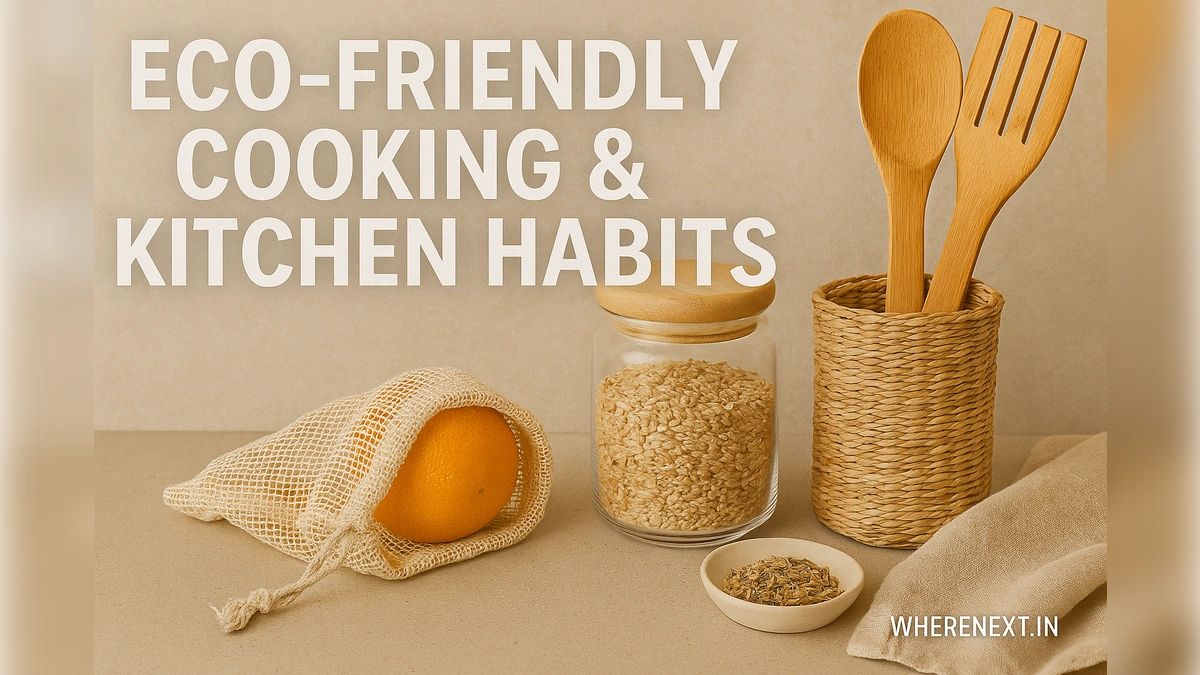
My kitchen has always been the heart of my home — the place for chai, late-night snacks and random experiment recipes. But it was also the place where I wasted the most: extra plastic, forgotten leftovers, over-buying, under-using.
When I started my sustainable living journey, I knew I had to start from the kitchen. Not with some “perfect zero-waste” lifestyle, but with small, practical changes I could actually stick to.
Here I’m sharing the eco-friendly cooking and kitchen habits I personally follow almost every day. Nothing fancy — just real life.
1. I plan meals around what I already have
Instead of asking, “What do I feel like eating?”, I first ask, “What needs to be used up?”
I quickly scan:
- Vegetables that are getting soft
- Leftover rice or dal
- Half-used packets or tins
Then I decide the day’s meals based on these. This one habit alone reduced my food waste more than any other “tip”.
It fits perfectly with the way I eat daily, which I’ve shared in detail here:
👉 Sustainable Eating Guide — What I Eat in a Day
2. Using smart storage to keep food fresh longer
Good storage is almost like having an extra fridge. I personally love:
- Glass jars for lentils, grains, snacks and spices
- Steel and glass containers for leftovers
- Clear boxes so I can actually see what’s inside
I try to follow a simple rule: “If I can’t see it, I’ll probably forget it.”
This is exactly why I enjoy using certain home products again and again:
👉 Eco-Friendly Home Products I Personally Love Using
3. Reducing plastic in my kitchen (realistic version)
I didn’t throw away all my plastic overnight. Instead, I slowly replaced things when they broke or became useless.
Now I:
- Use cloth or jute bags for vegetable shopping
- Store most food in steel or glass
- Choose loose produce instead of pre-packed when possible
I still have some plastic boxes — but I don’t buy more. I wait, then replace with a better alternative when the time comes.
If you want to reduce plastic without going crazy, this article might help:
👉 How I Reduce Plastic in My Daily Life (Without Going Crazy)
4. Cooking in a more energy-efficient way
I didn’t realise how much energy I was wasting while cooking. Now I follow a few simple habits:
- Always using lids to make food cook faster
- Pre-soaking dals and beans
- Using a pressure cooker for anything that takes long
- Batch cooking some basics for 2–3 days
This reduced my gas usage and made cooking feel less stressful. It also supports the energy-saving habits I use in other parts of my home.
5. Making the most of leftovers
Leftovers used to be “boring old food” for me. Now they’re my favourite shortcut for busy days.
Some of my go-to tricks:
- Leftover sabzi → paratha or wrap filling
- Extra rice → fried rice, lemon rice or curd rice
- Dry bread → breadcrumbs or upma-style dish
This way, I’m not only saving food but also saving time and effort.
6. Separating kitchen waste properly
One big shift in my kitchen was how I treat what goes into the dustbin.
I keep:
- One container for compostable kitchen scraps (peels, coffee grounds, tea powder, veg trimmings)
- One bin for recyclables (clean tins, bottles, cardboard)
- One bin for non-recyclable mixed waste
Most of my organic waste now goes into compost, which feels so satisfying.
If you want to try this, I’ve explained how I do it here:
👉 Composting for Beginners — How I Turn Kitchen Waste Into Fertilizer
7. Cleaning the kitchen with natural products
I personally enjoy using natural cleaning mixes instead of strong chemicals in the kitchen where I cook and eat.
Some of my regulars:
- Vinegar + water + lemon peels for counters
- Baking soda paste for stains
- Mild natural soap for general cleaning
They’re safe, smell fresh and reduce the number of plastic bottles under my sink.
You can find my exact recipes here:
👉 DIY Natural Cleaning Recipes I Use at Home
How these kitchen habits fit into my overall lifestyle
My eco-friendly kitchen is not separate from the rest of my life. It connects with:
- How I plan and eat food daily – Sustainable Eating Guide
- How I manage waste and compost – Composting for Beginners
- How I reduce plastic in other areas – Reducing Plastic in Daily Life
- How I choose products for my home – Eco-Friendly Home Products I Use
All of this sits under one bigger idea — living a little slower, a little simpler and a lot more intentionally, which I’ve written about here:
👉 Ultimate Sustainable Living Guide
Final thoughts
You don’t need a “perfect eco kitchen”. You just need a few honest habits that work for your home and your schedule.
Maybe for you, it starts with better storage. Or switching to glass jars. Or finally using up everything in your fridge before ordering takeout.
Whichever small step you pick, your kitchen — and your dustbin — will slowly start to look very different.
About the Author