


How to Grow Kitchen Herbs Indoors in 2025 – My Simple Step-by-Step Routine
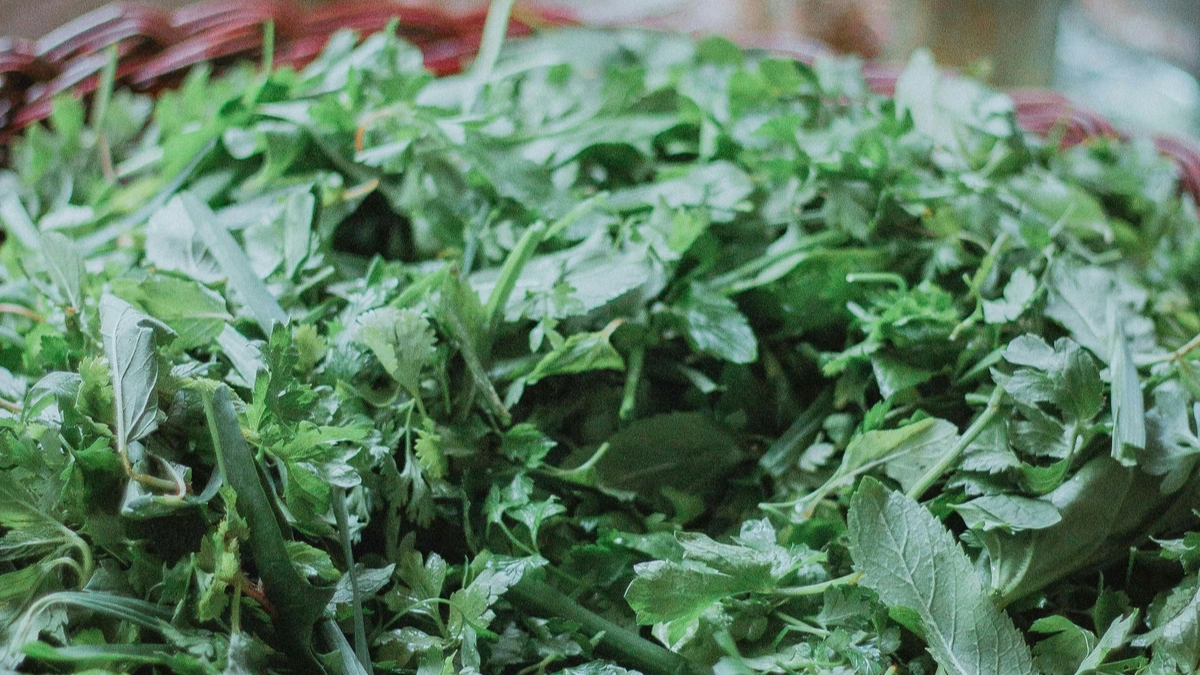
Growing kitchen herbs indoors is honestly one of my favourite “small joys” at home. There’s something special about snipping a few fresh basil leaves or mint sprigs from your own plants right before you cook. It feels fancy and homely at the same time.
The best part is: you don’t need a balcony, big garden or any heavy gardening knowledge. A few small pots, a bright corner and a basic potting mix are enough to turn your kitchen into a mini herb garden.
In this guide, I’m sharing exactly how I grow my herbs indoors – what has worked in my own kitchen, what didn’t, and the small tricks that made things a lot easier. If you’re completely new to indoor plants, you can also check my Easy Indoor Plants for Beginners for a gentle introduction.
Why Growing Herbs Indoors Is So Beginner-Friendly
When people think about growing food, they imagine full vegetable plants, big pots and lots of space. Herbs are completely different. They’re compact, fast-growing and very forgiving. That’s why I recommend starting with herbs before jumping into full balcony gardening.
Indoor herbs are great because they:
- Grow well in small containers
- Don’t need full, harsh sunlight – bright indirect light is enough
- Can be harvested again and again from the same plant
- Take much less time and effort than vegetables
And the bonus? You reduce plastic packaging and frequent last-minute herb runs to the store – small wins for a more sustainable lifestyle.
The Best Herbs to Grow Indoors (From My Own Experience)
You can grow many herbs indoors, but a few are especially easy and reliable. These are the ones that have survived my experiments, busy weeks and occasional forgetfulness.
Basil – My Most Used Herb
Basil loves warmth and light. If you have a window that gets 3–4 hours of gentle sun, basil will be very happy there. I personally love using fresh basil for pasta, sandwiches and even simple toast with tomato and cheese.
- Needs: bright light, regular pruning
- Water: when the top layer of soil feels dry
- Tip: pinch the top leaves often to keep it bushy
Mint – The “Almost Unkillable” Herb
Mint is like that chill friend who adapts everywhere. It grows in partial shade, bounces back after you forget to water it, and spreads quickly once it’s happy. I use mint for tea, chutneys, lemonade and infused water.
- Needs: partial light, normal room temperature
- Water: keep soil slightly moist but never soggy
- Tip: always grow mint in a separate pot – it spreads aggressively
Coriander (Cilantro)
Coriander is slightly more sensitive but totally worth the effort. It prefers cooler temperatures and doesn’t like very strong direct sun. Indoors, it grows beautifully in wide, shallow pots.
- Needs: bright but soft light
- Water: keep soil evenly moist
- Tip: sow seeds thickly and keep harvesting the soft tops
I also love re-growing coriander roots and other kitchen scraps – I’ve explained that in detail in Regrow Kitchen Scraps: How I Give Veggies a Second Life.
Parsley & Chives
Parsley and chives are slow and calm. They don’t grow fast like basil or mint, but once established, they quietly keep giving for months.
- Parsley: great for salads, soups and garnishing
- Chives: mild onion flavour for eggs, noodles and rice bowls
- Both: do well in bright, indirect light
Choosing the Right Spot for Your Kitchen Herbs
Herbs don’t like dark, forgotten corners. They need light, fresh air and a little attention. Here are places that usually work well:
- Kitchen windowsill – my personal favourite spot
- Balcony ledge – if it’s safe and gets gentle light
- Near a bright window in the living or dining area
- Open shelf close to a window
If your home is on the lower floors or doesn’t get a lot of direct sun, don’t worry. Herbs like mint and parsley are quite happy in lower light compared to other sun-loving plants. For more options in such spaces, you can explore Indoor Plants for Low Light.
Best Pots and Containers for Indoor Herbs
I don’t use anything fancy – most of my herbs live in a mix of ceramic pots, reused plastic containers and a couple of long balcony planters.
Things that matter more than how the pot looks:
- Drainage holes at the bottom – non-negotiable
- Medium depth (4–6 inches is enough for most herbs)
- A saucer or tray under indoor pots to catch extra water
You can even group herbs together in one wide planter. Just pair herbs that have similar water and light needs.
The Potting Mix I Use for Kitchen Herbs
Good soil is like a comfortable home for your plants. Too heavy and the roots suffocate. Too airy and it dries too fast.
For most indoor herbs I use a simple mix very similar to what I recommend in my Best Potting Mix for Indoor Plants guide:
- 3 parts ready potting soil
- 1 part cocopeat (for moisture and lightness)
- 1 part compost or well-rotted organic manure
Mix everything well so there are no big clumps. The final texture should feel light and crumbly, not muddy.
How I Water My Indoor Herbs (Without Overdoing It)
I’ve killed more plants by overwatering than underwatering – especially indoors. Herbs don’t like “wet feet”.
Now I follow one simple rule: “Touch the soil before you touch the watering can.”
- If the top 2–3 cm feels dry → it’s time to water.
- If it still feels cool and slightly moist → wait another day.
Basil and coriander enjoy slightly more moisture, while mint, parsley and chives are okay with a short dry spell. If you travel often or forget watering, you might find a DIY Self-Watering System helpful for your pots.
How to Harvest Herbs So They Keep Growing
Many people snip herbs randomly and then wonder why the plant became thin or stopped growing. The trick is to always cut in a way that encourages new branches.
Here’s what works for me:
- Always cut just above a pair of leaves or side branch
- Never remove more than 25–30% of the plant at one time
- Harvest a little bit regularly instead of a lot at once
Basil and mint especially respond very well to this. The more you pinch and use them (correctly), the bushier they become.
Common Problems (And How I Fixed Them)
Yellowing leaves: Usually too much water or poor drainage.
Long, weak stems: Not enough light – move them closer to a window.
Soil smell or fungus: Overwatering + poor air circulation. Let the top layer dry fully.
If your indoor plants keep dying repeatedly and you can’t figure out why, I’ve broken down the most common mistakes in Why Indoor Plants Die (And How I Finally Stopped Killing Mine).
Turning Your Kitchen Into a Mini Herb Garden
You don’t need to do everything at once. I personally like starting with just two or three herbs:
- Basil – for pasta, sandwiches and salads
- Mint – for tea, chutneys and drinks
- Coriander – for Indian cooking and garnishing
Once these are stable and happy, you can slowly add parsley, chives, thyme or even experiment with small microgreens trays near your herbs.
A few green pots near your kitchen window can make cooking more fun, food more flavourful and your home a little more alive – all without stepping out to the market every time you need a handful of fresh leaves.
About the Author