


Indoor Plant Lighting Guide – Understanding Bright, Medium & Low Light
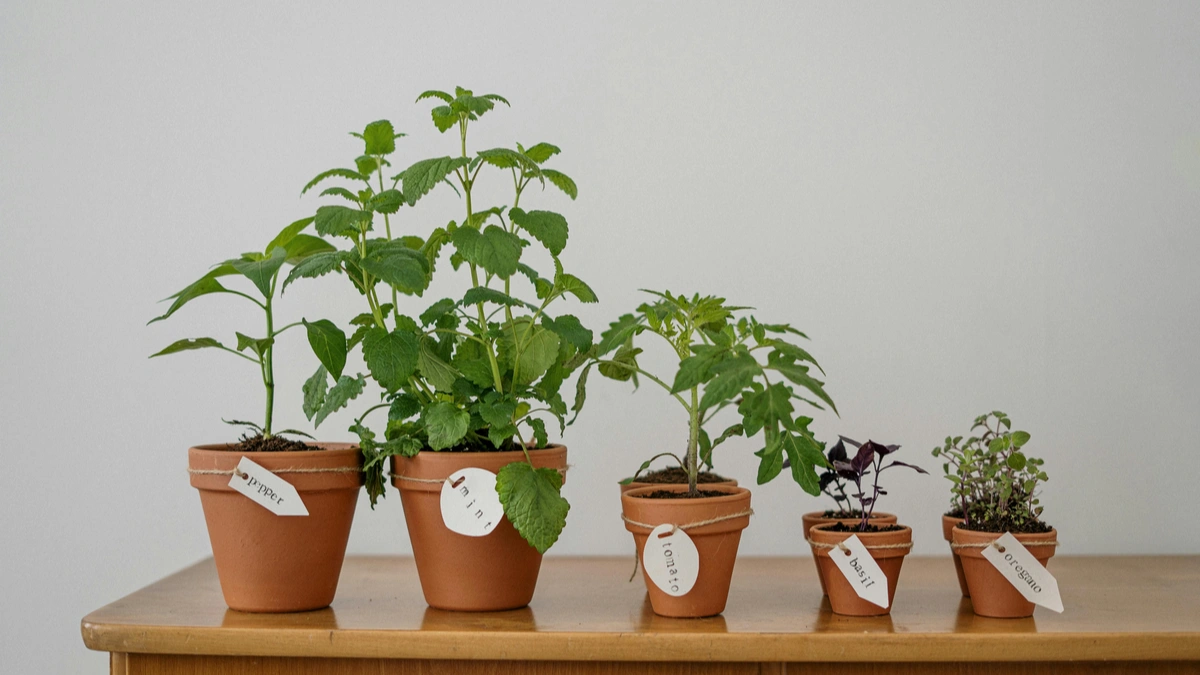
The biggest reason indoor plants struggle isn’t watering — it’s lighting. Most homes have uneven light: one corner is bright all day, another is dim even at noon. Once you understand your home’s light zones, plant care becomes ten times easier.
This guide breaks down indoor lighting in the simplest possible way, with examples you can check instantly in your home. No gadgets needed.
If you're new to indoor gardening, you may also like: Best Indoor Plants for Beginners and Snake Plant Care Guide.
How to Understand Light in Your Home
You don’t need a light meter — your eyes are enough. The simplest trick is the shadow test:
- Crisp, sharp shadow = Bright Light
- Soft, blurry shadow = Medium Light
- Almost no shadow = Low Light
Try this at different times of day to know your “plant zones”.
Bright, Indirect Light
This is the best light for most indoor plants. The room is brightly lit, but the sun does not directly hit the leaves.
What bright, indirect light looks like:
- Near east-facing windows (morning light)
- Near north-facing windows (consistent soft brightness)
- Beside a window, not directly in front of the glass
- Behind sheer curtains in sunny rooms
Plants that love bright indirect light:
- Areca Palm
- Rubber Plant
- Peace Lily
- Syngonium
- Tradescantia
- Most ferns
Medium Light
Medium light is when the room is lit naturally, but not flooded with brightness. You can read without switching on lights, but it's not overly bright.
- 2–6 feet away from windows
- Rooms with balcony grills blocking some light
- Near windows facing east or north but partly shaded
Plants that do great in medium light:
- Money Plant (Pothos)
- Spider Plant
- ZZ Plant
- Philodendrons
- Aglaonema
If your medium-light plants grow slowly, try moving them one foot closer to the window.
Low Light
Low light doesn’t mean “no light”. It means the room has daylight, but not enough brightness to form a clear shadow.
Examples of low-light spots:
- Rooms with small windows
- Corners far from any window
- Hallways or entryways
- Rooms facing other buildings
Plants that tolerate low light:
- Snake Plant
- ZZ Plant
- Peace Lily (fewer flowers)
- Money Plant ( slower growth )
Tip: Rotate low-light plants monthly so each side gets some light eventually.
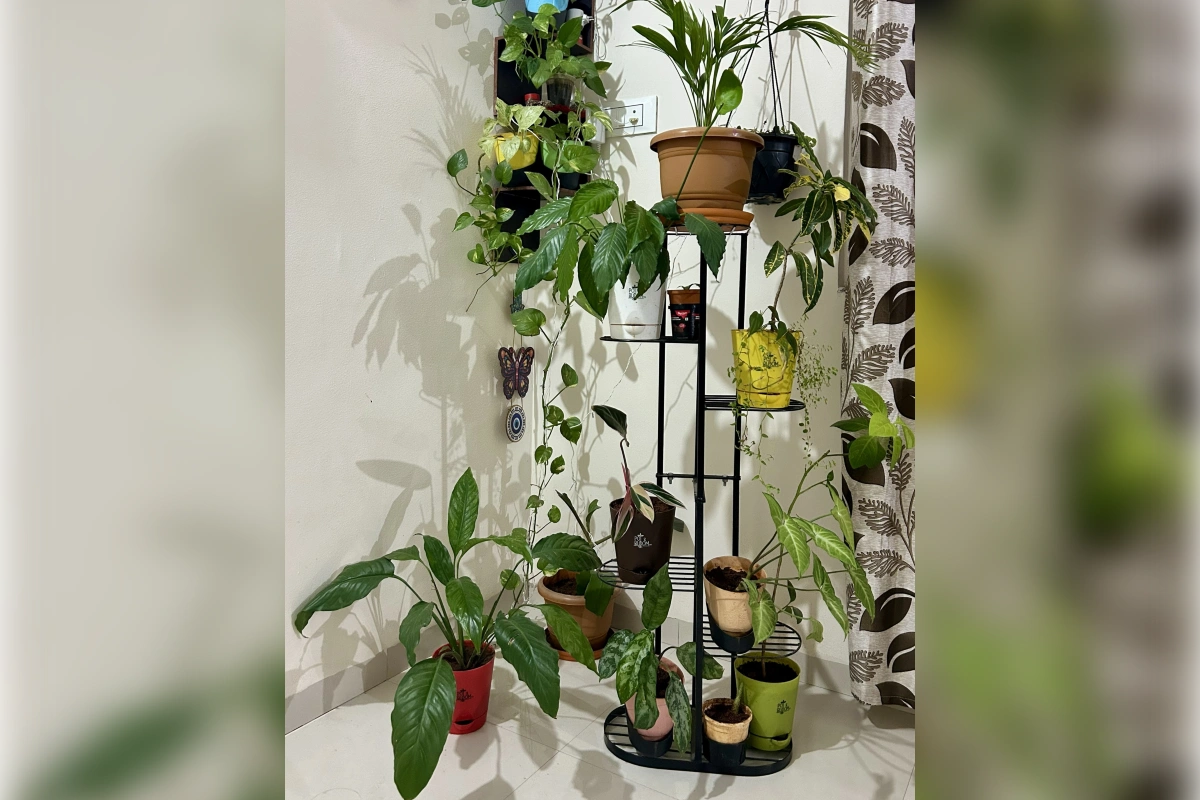
Direct Sunlight Indoors
Direct sun indoors is stronger than people expect. A plant placed directly on a sunny windowsill can burn quickly, especially in Indian summers.
Plants that handle direct sun:
- Aloe Vera
- Jade Plant
- Succulents
- Cacti
Avoid placing tropical indoor plants (Peace Lily, ZZ, ferns) in harsh western sun.
Which Direction is Best for Indoor Plants?
North-facing windows
- Soft, all-day light — perfect for most plants.
East-facing windows
- Gentle morning sun — ideal for bright-indirect lovers.
West-facing windows
- Harsh afternoon sun — use curtains or move plants slightly aside.
South-facing windows
- Strongest sun — safe for succulents and cacti.
How to Improve Low Light Rooms
- Use mirrors to reflect natural light
- Place plants closer to windows (even 1–2 feet helps)
- Keep curtains open during the day
- Use white or light walls and furniture
- Group plants together to create a bright corner
Signs Your Plant Needs More Light
- Long, stretched stems (becoming leggy)
- Small new leaves
- Slow growth for months
- Yellowing from bottom leaves
- Leaning toward the window
If you’re seeing yellow leaves, here’s a detailed guide: Indoor Plant Problems – Yellow Leaves.
Final Thoughts – Light Is Everything
Once you understand light, plant care becomes easy. Most problems — yellow leaves, slow growth, brown tips — connect back to the plant simply not getting enough brightness.
Start by mapping the light in your home: morning rooms, bright corners, low-light hallways. Then match your plants to those zones. That one habit changes everything.
You may also enjoy:
Best Indoor Plants for Beginners
Overwatered vs Underwatered Plants – Exact Signs
Fast-Growing Indoor Plants
About the Author