


Grow Indoor Plants from Cuttings – Step-by-Step Propagation Guide
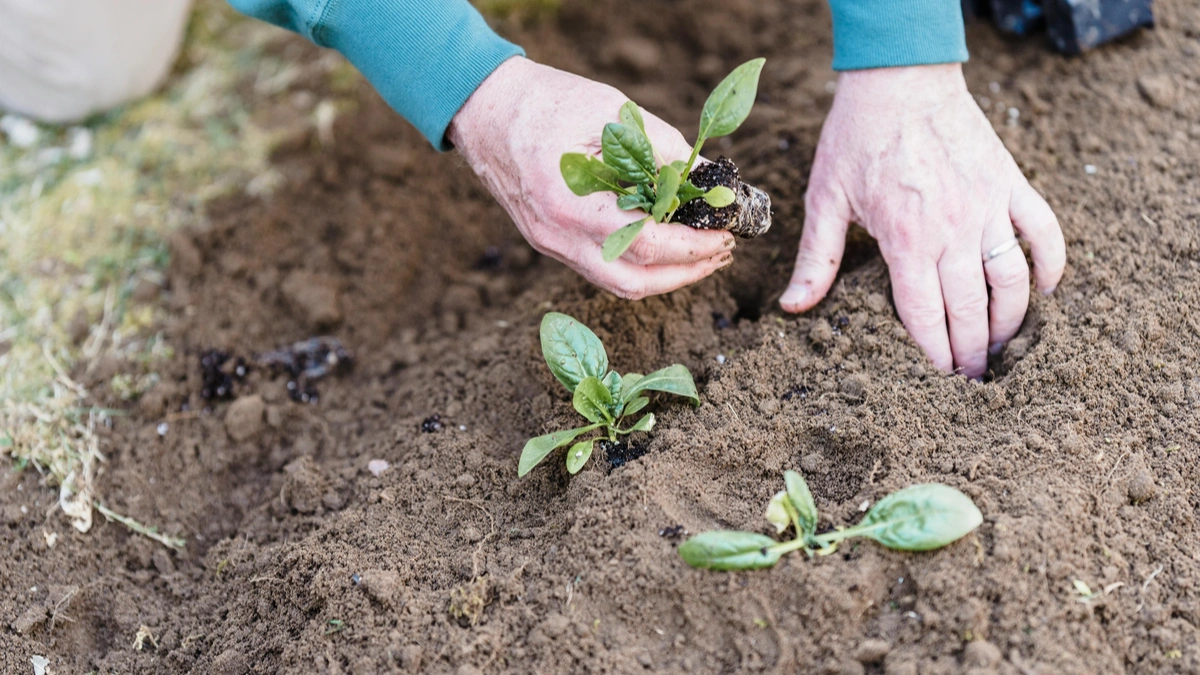
Propagation is one of the most satisfying parts of indoor gardening. It feels like magic when a small cutting suddenly grows tiny white roots, and you realise you’ve created a brand-new plant for free. Some of the healthiest plants in my home today started as a single cutting in a glass jar.
This guide covers the full process — from choosing the right stem to rooting it in water or soil — using simple steps anyone can follow, even if you’re trying this for the first time.
If you're building a small indoor jungle on a budget, also check: Fast-Growing Indoor Plants and Money Plant Care.
Which Indoor Plants Are Easy to Propagate?
Many beginner-friendly plants grow beautifully from cuttings. Some of the easiest ones I’ve had success with include:
- Money Plant (Pothos)
- Syngonium
- Philodendron
- Spider Plant (babies)
- Tradescantia
- Snake Plant (leaf cuttings)
- ZZ Plant (leaf/petiole cuttings)
For a more detailed care approach, check: ZZ Plant Care Guide.
Propagation Method 1: Water Propagation (Beginner-Friendly)
Water propagation is the simplest method, especially for trailing plants. It’s also fun because you can actually see the roots developing.
Steps:
- Pick a healthy stem with at least 2–3 leaves.
- Cut just below a node — this is where roots grow from.
- Place the cutting in clean water, ensuring the node stays submerged.
- Keep the jar in bright, indirect light.
- Change water every 5–7 days to prevent fungus.
In 10–20 days, small roots start appearing. Once roots reach 3–5 cm, you can move the cutting to soil.
Propagation Method 2: Soil Propagation (Stronger Roots)
Some plants grow better directly in soil. This method produces stronger, more stable growth long-term.
Steps:
- Prepare a light potting mix (cocopeat + perlite + compost).
- Stick the cutting 2–3 cm deep.
- Water lightly — soil should be moist, not soggy.
- Cover with a transparent container for humidity (optional).
- Place in medium, indirect light.
Check after 3–4 weeks by gently tugging — if it resists, roots have formed.
How to Propagate Popular Indoor Plants
1. Money Plant / Pothos
- Cut below a node
- Remove lower leaf
- Root in water or soil
2. Snake Plant
- Cut a leaf into sections
- Place in soil
- New plants grow from the base
3. ZZ Plant
- Pluck a leaf with its base
- Root in soil (slow but steady)
4. Spider Plant
- Use babies or rosettes
- Root in water or soil easily
How Long Does Propagation Take?
Propagation time depends heavily on light and temperature. On average:
- Fast rooters (Pothos, Tradescantia): 7–14 days
- Medium (Syngonium, Philodendron): 10–20 days
- Slow growers (ZZ Plant, Snake Plant): 3–8 weeks
Common Propagation Problems & Fixes
1. Cutting is turning yellow
Move to brighter light and change water more often.
2. Black mushy bottom
This is rot. Recut above the rot and restart.
3. No roots even after 25+ days
Move the jar to a brighter spot or switch to soil propagation.
4. Fungus on soil
Use airy mix and avoid overwatering. More tips here: White Fungus on Plant Soil
When to Shift to Soil
A cutting is ready for soil when:
- Roots are 3–5 cm long
- New shoots are visible
- Water looks cloudy faster than usual
Use a breathable potting mix and place the new plant in medium light for the first week.
Final Thoughts — Start Small and Enjoy the Process
Propagation is addictive in the best way. Once you see your first rooted cutting, you naturally start experimenting with different plants and methods. It’s cheap, fun and one of the easiest ways to expand your indoor jungle.
If you're growing your collection, these guides connect well with propagation:
Indoor Plant Watering Schedule
Fast-Growing Indoor Plants
Indoor Plant Styling Ideas
About the Author