


Indoor Plant Watering Schedule by Season (Summer, Winter & Monsoon)
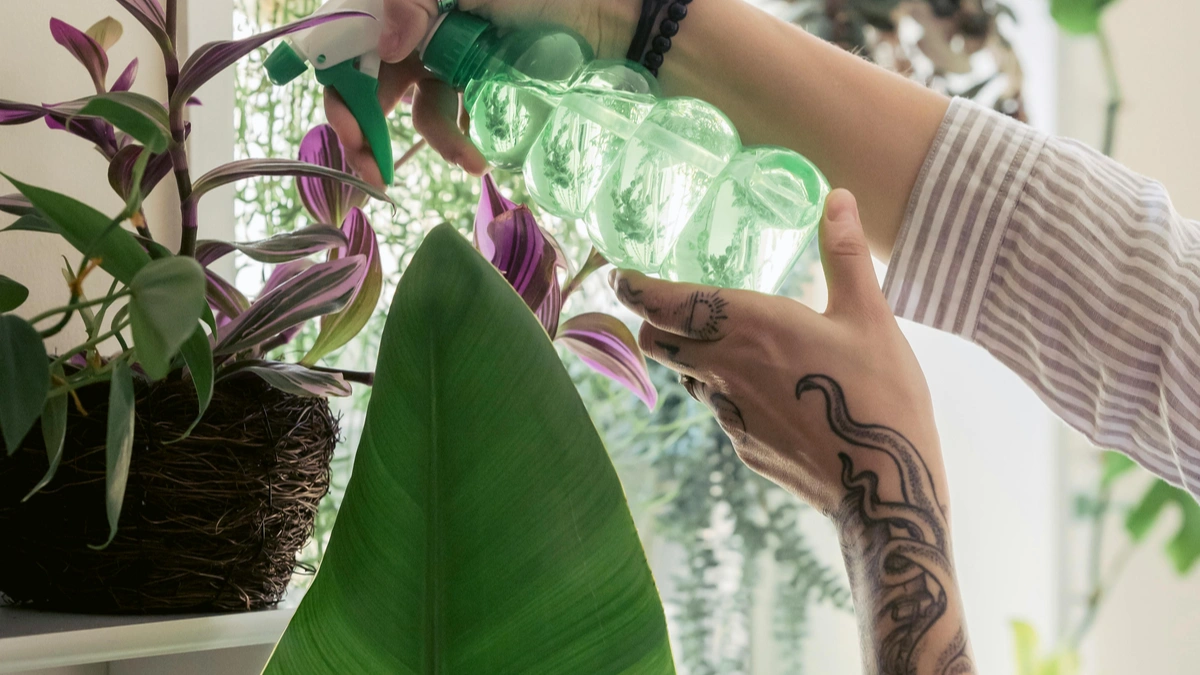
Watering indoor plants is not as simple as doing it “every 3 days” or “once a week”. Plants react differently depending on the weather, temperature, humidity and how much sunlight they receive. Over the years, I’ve noticed that even the same plant changes its watering needs from season to season.
This seasonal watering guide will help you understand exactly how often to water your indoor plants — not by guesswork, but by the real needs of each season.
You may also find these related guides useful: Overwatered vs Underwatered Plants and Indoor Plant Lighting Guide.
Why Watering Changes With Seasons
Every season affects water evaporation and soil moisture differently:
- Summer: Hotter air → faster evaporation → plants drink more.
- Winter: Slow growth → soil stays moist longer → need less water.
- Monsoon: High humidity + low sunlight → very slow evaporation.
Once you understand this pattern, watering becomes much easier.
Summer Watering Schedule (March–June)
Summer is when most plants grow the fastest, especially in bright homes. Because the heat pulls moisture quickly from soil, watering needs increase.
How often to water:
- Every 3–5 days for common indoor plants like pothos, money plant, syngonium.
- Every 7–10 days for snake plant and ZZ plant.
- Daily misting for ferns (optional).
Signs your plant needs water:
- Soil dries within 2 days
- Leaves feel softer or dull
- Pot feels very light
Pro tip: Keep plants away from direct hot sunlight to prevent soil from drying too fast.
Winter Watering Schedule (November–February)
In winter, indoor plants go into slow or semi-dormant growth. Watering too often can cause root rot because the soil takes longer to dry.
How often to water:
- Every 8–12 days for most indoor plants.
- Every 15–20 days for snake plant and ZZ plant.
- Once a week light misting for humidity-loving plants.
Signs your plant needs winter watering:
- Soil is fully dry top to bottom
- Leaves look slightly droopy
Important: Never water late evening in winter — the cold soil stresses roots. Morning watering is best.
Monsoon Watering Schedule (July–September)
Monsoon is tricky because humidity stays high but sunlight drops dramatically. Soil stays wet for longer, and this is the season when overwatering kills the most plants.
How often to water:
- Every 7–12 days for most indoor plants.
- Every 15–25 days for low-maintenance plants like ZZ and snake plant.
Common monsoon mistakes:
- Watering “out of habit” even though soil is still moist
- Plants not getting enough light on cloudy days
- Mould or fungus growing on soil
If you notice fungus, this guide helps: White Fungus on Plant Soil – Remedies.
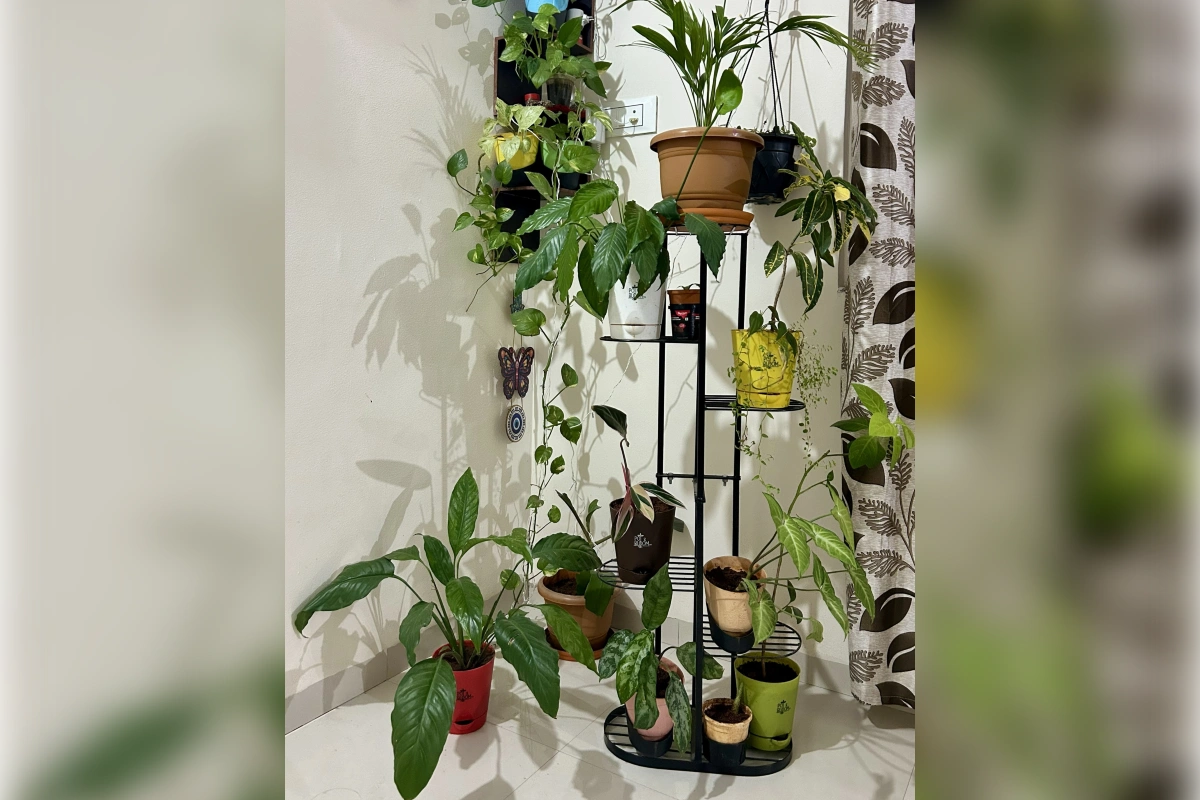
How to Check Soil the Right Way (Works in All Seasons)
Instead of guessing, use this simple 2-step test:
1. Finger Test
Insert your finger 2–3 cm into the soil:
- If dry → water
- If slightly moist → wait 1–2 days
2. Weight Test
Lift the pot:
- Light pot → dry soil → needs water
- Heavy pot → moist soil → don’t water
Plants That Need More Water
- Peace Lily
- Ferns
- Areca Palm
- Calathea
These plants prefer evenly moist soil but still dislike soggy roots.
Plants That Need Less Water
- Snake Plant
- ZZ Plant
- Rubber Plant
- Aloe Vera
These are drought-tolerant and prefer drying out between waterings. More here: ZZ Plant Care Guide.
Final Thoughts – Watering Should Feel Easy
Once you understand how weather affects soil drying, watering indoor plants becomes stress-free. I’ve learned that plants are very forgiving if you follow seasonal patterns instead of strict schedules.
If you want to improve your watering habits even more, these guides go well with this one:
Overwatered vs Underwatered Plants
Indoor Plant Lighting Guide
Fast-Growing Indoor Plants
About the Author