


Indoor Plants That Thrive in Low Light – Easy 2025 Guide I Personally Use at Home
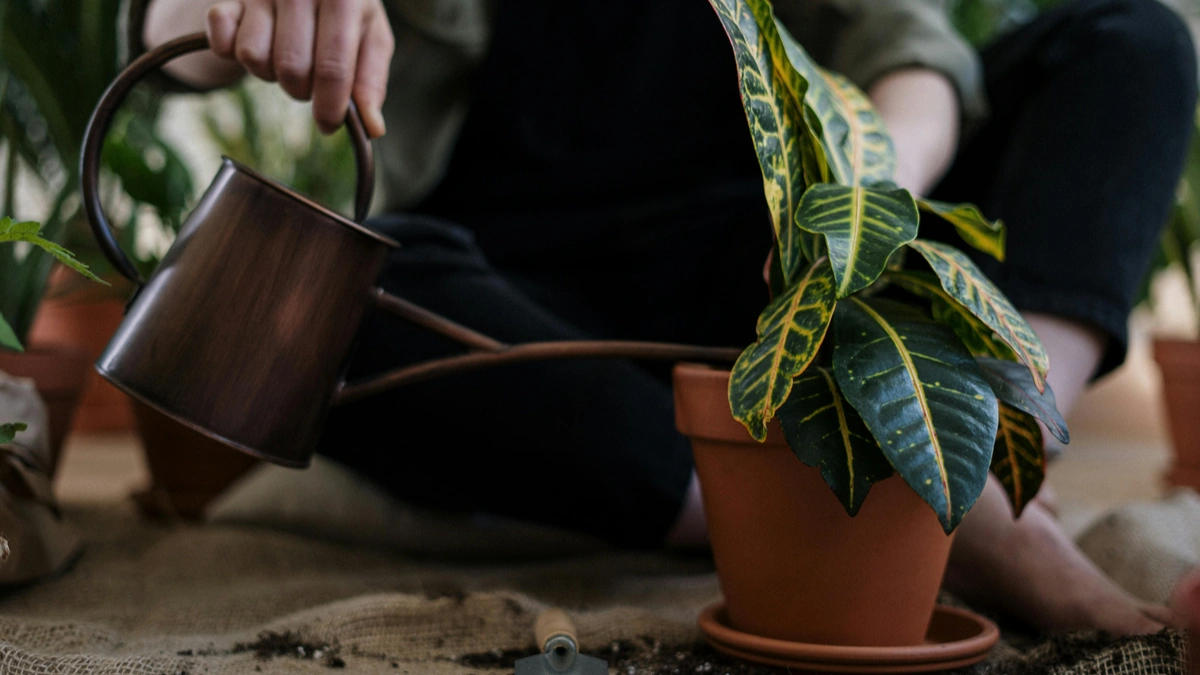
For the longest time, I thought indoor plants were only for homes with big windows and lots of sunshine. My reality was very different — north-facing rooms, shaded balconies, and a work desk that barely saw direct light. Every time I brought home a new plant, I was scared it would slowly turn yellow and die.
But over the past few years, I’ve found a small group of low-light indoor plants that actually like living in such spaces. These are plants that have survived in my bedroom, hallway corners, and even near my bathroom door. Some of them are so forgiving that even if I forget to water them for a bit, they still bounce back.
In this guide, I want to share the exact plants that worked for me, how I place them around the house, and a few simple rules that go perfectly with my Urban Gardening Guide. If you’ve ever said, “I love plants but my home has no sunlight,” this one is literally for you.
What “Low Light” Means Inside a Home (Not in a Garden)
When we talk about low light indoors, we’re not talking about pitch darkness. Plants still need some amount of light to stay alive — even if it’s soft, bounced or indirect.
Here’s how I personally think about indoor light levels:
- Bright indirect light: Right next to a window with filtered daylight, but no harsh sun directly hitting leaves.
- Medium light: A few feet away from a window, where you can still comfortably read without turning on a light.
- Low light: Corners of the room, hallways, entryways or spots that feel a bit dim even during the day.
If you can walk around the room in the daytime without switching on the tube light or lamp, most low-light plants will manage there. If you need artificial light during the day, you’re in the “very low light” or “almost no light” category — in that case, I usually keep plants in a brighter room and just move them for a few days when they need a “sun holiday.”
My Simple Rules for Low-Light Indoor Plant Care
Before we jump into plant names, here are a few simple rules that completely changed things for me:
- Water less than you think: Low-light means slower evaporation, which means wet soil for longer. Overwatering is the #1 killer.
- Use a light potting mix: Heavy garden soil holds water like a sponge and suffocates roots. I use a mix similar to what I share in my Best Potting Mix for Indoor Plants guide.
- Rotate plants every few weeks: Just turn the pots so all sides get their chance at the available light.
- Wipe the leaves: Dust blocks what little light they get. A gentle wipe with a damp cloth every few weeks makes a big difference.
Once I started following just these four habits, my plants stopped looking sad and droopy all the time.
1. Snake Plant – The Plant That Refuses to Die
If someone tells me, “Every plant dies in my home,” I always recommend the snake plant first. It’s honestly the most chill, low-maintenance plant I’ve ever had.
Why I love snake plants for low light:
- They tolerate low light, medium light and even some bright indirect light.
- They’re happy in bedrooms, offices, corridors and corners.
- They need very little water – sometimes I water mine only once in 2–3 weeks.
- They look stylish in almost any kind of pot or decor style.
The only two things snake plants don’t like are constantly wet soil and pots without drainage. If you avoid those, they’ll be the lowest-effort green roommates you’ll ever have.
2. ZZ Plant – The “Forgetful Plant Parent” Champion
The ZZ plant (Zamioculcas zamiifolia) has thick, polished-looking leaves that store water. Which means: if life gets busy and you forget to water now and then, it quietly tolerates it.
Why ZZ works so well in low light homes:
- It does well in medium and low light, especially in offices and bedrooms.
- It doesn’t demand frequent watering — I sometimes water mine just once in 2 weeks.
- It grows slowly but steadily, so it doesn’t outgrow spaces too fast.
One small note: I avoid placing ZZ plants where pets chew leaves, because many houseplants can be mildly toxic if eaten in large amounts. If you live with pets and kids, you might prefer exploring more pet-aware options later like a pet-safe plants list.
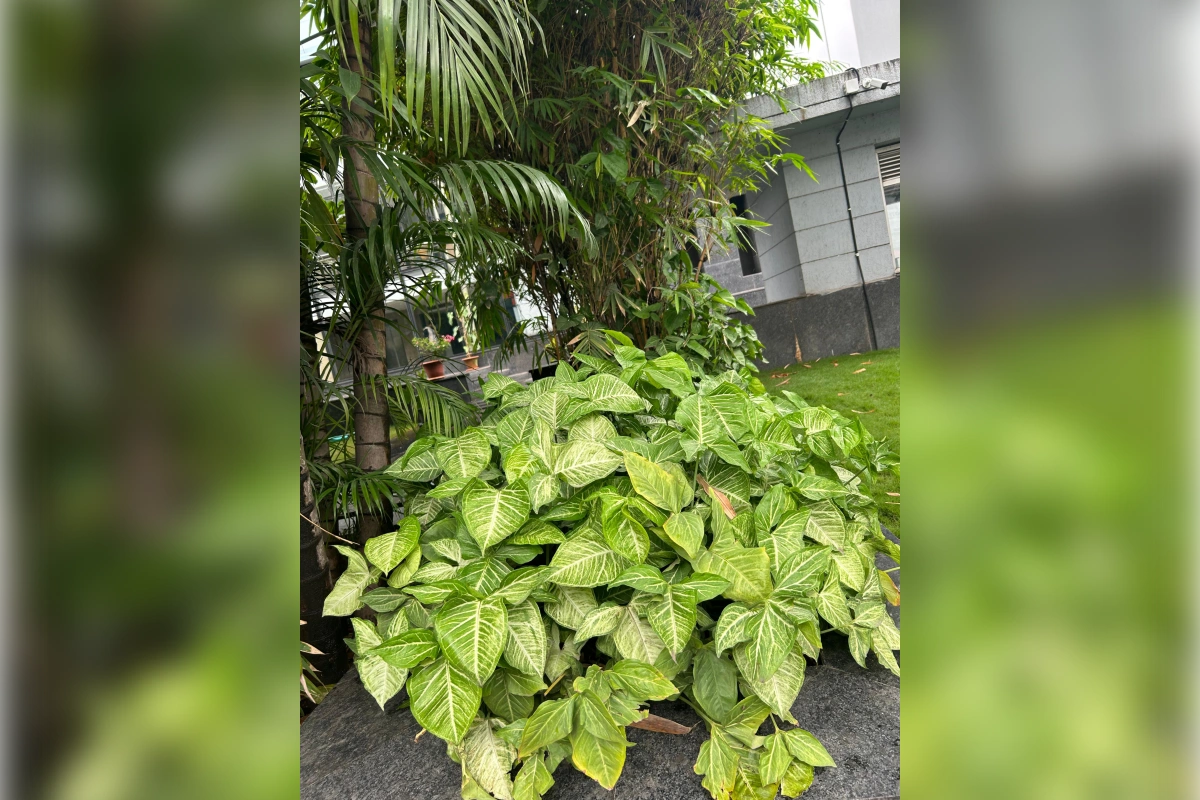
3. Pothos (Money Plant) – The Easy Trailing Classic
Pothos, or money plant, is usually where most people start. And for good reason — it grows fast, roots easily in water and behaves well in a variety of light conditions.
In bright light, pothos becomes bushy and wild, but even in low light it does a decent job. Growth will be slower, leaves may be smaller, but it still looks fresh and green.
Why pothos is perfect for low-light interiors:
- It works in hanging baskets, shelves and wall-mounted planters.
- It grows in both water and soil, so you can choose your style.
- It’s very forgiving when you’re still getting the hang of plant care.
I personally love keeping pothos in my study room and near my bathroom door. It instantly softens the space and adds that “I take care of my home” feeling without much effort.
4. Peace Lily – Soft, Elegant and Shade Friendly
If you want something a little more dramatic and elegant, peace lily is a beautiful low-light option. It does well in medium to low light and lets you know clearly when it’s thirsty by drooping slightly.
Why peace lily works well indoors:
- It’s one of the few low-light plants that regularly blooms indoors.
- It loves bathrooms, bedrooms and corners of living rooms.
- It appreciates evenly moist soil but hates sitting in waterlogged pots.
The only catch: peace lilies can react to overwatering or poor drainage with yellow leaves. If your plants are often unhappy and you’re not sure why, you may find my troubleshooting article Why Indoor Plants Die & How I Fixed It really helpful.
5. Chinese Evergreen – Calm, Colourful Foliage for Dim Corners
Chinese evergreen (Aglaonema) is another plant I slowly grew to love. Some varieties have beautiful patterns and soft colours, and they don’t scream for attention.
What I like about Chinese evergreen:
- Many varieties tolerate low light quite well.
- They don’t need direct sun, which makes them great for flats and offices.
- The leaves add texture and colour without needing flowers.
I usually keep them a little away from the window — enough to get soft light, but not close enough for hot midday sun to touch the leaves.
Where I Place Low-Light Plants in My Home
Here are some real placements from my own home that worked well:
- Bedroom corners: Snake plant and ZZ plant near the wardrobe or next to the bed.
- Hallway or corridor: A tall snake plant or pothos on a stand immediately makes it feel less dull.
- Work desk: A small pothos cutting in water or a compact ZZ plant in a ceramic pot.
- Bathroom door or shelf: Pothos or peace lily if there’s at least a small window nearby.
Once you get comfortable, you can combine this with a slightly bigger setup, like the balcony and indoor ideas I’ve shared in the main Urban Gardening Guide.
Common Mistakes That Kill Low-Light Plants (I’ve Made These Too)
Low-light plants are strong, but they’re not magic. Here are mistakes that caused me the most trouble:
- Watering on a fixed schedule: Watering “every Sunday” without checking the soil often leads to rot.
- No drainage holes: Pretty pots with no holes slowly drown roots.
- Using only garden soil: It becomes heavy, compact and soggy in indoor pots.
- Placing plants in zero-light rooms: Closed bathrooms with no window are usually too dark for them long term.
Now I simply stick my finger 1–2 cm into the soil — if it feels dry, I water; if it feels damp, I wait. This one habit alone has saved more plants than anything else.
A Simple Starter Plan if You’re New to Low-Light Plants
If I had to start again from scratch with just a few plants in a low-light home, here’s exactly what I would do:
- Buy one snake plant and one pothos – put them in spots you walk past daily.
- After a few weeks, add a ZZ plant near your work desk or in the living room.
- Once you feel confident, try a peace lily or Chinese evergreen to add variety.
- Upgrade your soil mix and pots slowly as you learn more (I’ve shared what I use in the best potting mix guide).
That’s it. No need to order ten plants at once and overwhelm yourself. Low-light indoor gardening works best when you grow your collection slowly and pay attention to what each plant is telling you.
About the Author