


Microgreens for Beginners – How I Grow Fresh Greens at Home in Just 7–10 Days
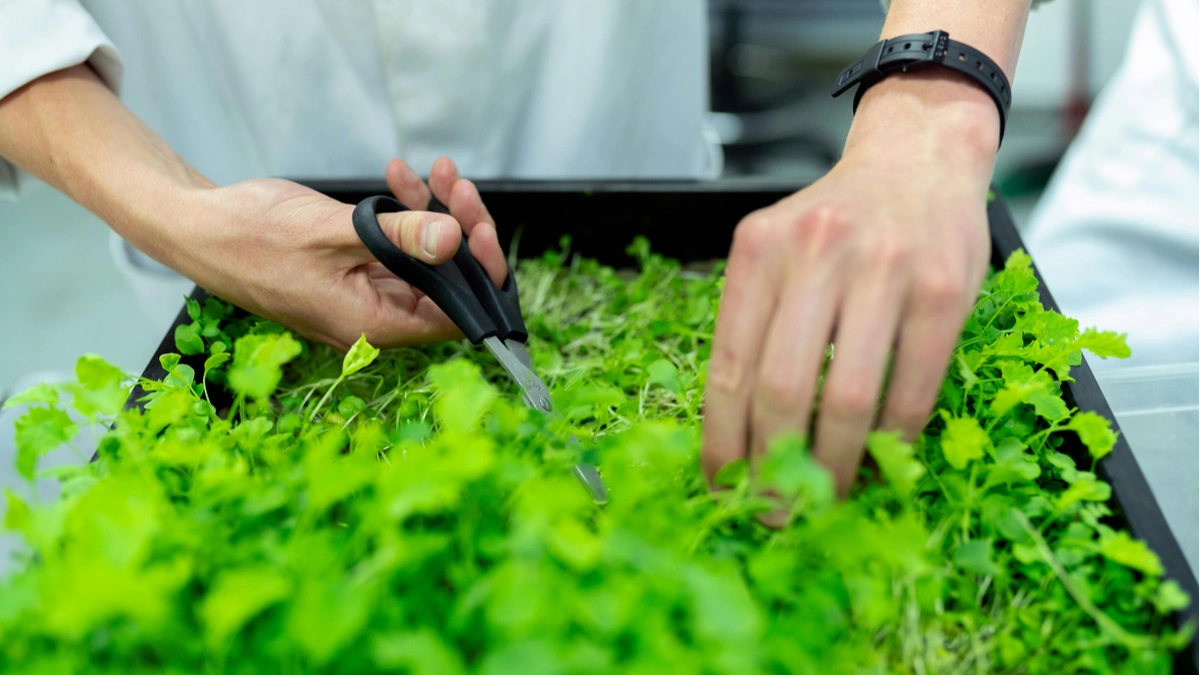
Microgreens became popular everywhere — Instagram, YouTube, cafés, salads, even sandwiches. But the moment I tried growing them at home, I realised why everyone loves them so much. They grow fast, take almost no space, and taste amazing on almost anything you cook. The best part? You don’t need a balcony, sunlight or gardening experience. Microgreens grow beautifully on a kitchen countertop.
This guide is exactly what I wish I had when I started — simple, step-by-step and beginner-friendly. I also link to a few helpful related guides like how to grow microgreens without soil, best microgreens to grow, and indoor potting mix basics for anyone who wants to explore deeper.
What Are Microgreens (and Why Should You Grow Them)?
Microgreens are young seedlings of herbs and vegetables harvested when they’re just 5–10 cm tall. They are more flavourful, more nutritious and grow 5x faster than regular plants. You get a full tray of edible greens in about a week — without soil mess, fertilisers or complex care.
- 🌱 Grow in 7–10 days
- 🌿 Very high in vitamins and antioxidants
- 🥗 Perfect for sandwiches, salads, eggs and more
- 🏠 Can be grown in tiny apartments
- 💧 Very low water requirement
If you’re new to indoor gardening, microgreens are honestly the easiest place to start.
What You Need to Start (Simple & Low-Cost)
You only need a few basic things that most people already have at home:
- Shallow tray (plastic food container works)
- Tissue paper or cocopeat
- Microgreen seeds (fenugreek, mustard, broccoli, sunflower, etc.)
- Spray bottle
- A window shelf or countertop
If you prefer soil-free growing, here’s a complete guide: How to Grow Microgreens Without Soil.
Step-by-Step: How I Grow Microgreens at Home
1. Prepare Your Tray
Take a shallow tray and spread two layers of tissue or a thin layer of cocopeat. Make sure it’s evenly moist — not dripping, not dry.
2. Sprinkle the Seeds
Microgreens grow best when you sprinkle the seeds densely but not overlapping. Gently press the seeds so they touch the moist surface.
3. Keep in Darkness for 2 Days
Cover the tray with another tray or plate. This “blackout period” helps seeds sprout evenly.
4. Move to Light
After 48 hours, the seeds crack open and tiny shoots appear. Place them near indirect sunlight or under a room light. No direct harsh sunlight needed.
5. Water Daily
Use a spray bottle to lightly mist once or twice a day. Avoid pouring water directly — it can cause fungus.
6. Harvest in 7–10 Days
Cut them with scissors when they’re 5–10 cm tall. Rinse gently and enjoy fresh.
Best Microgreens for Beginners
These varieties are foolproof and grow super fast:
- 🌱 Fenugreek (Methi) – very beginner-friendly
- 🌱 Mustard – peppery, flavorful
- 🌱 Green gram (Moong) – mild and crisp
- 🌱 Sunflower – nutty and delicious
- 🌱 Radish – grows fastest, spicy flavour
I created a full guide here: Best Microgreens to Grow.

Common Mistakes Beginners Make
- Overwatering (causes fungus)
- Not giving enough air circulation
- Using old or poor-quality seeds
- Placing tray in full sun (burns leaves)
- Keeping tissue too wet or too dry
If your plants frequently die indoors, you may find this guide helpful: Why Indoor Plants Die & How to Fix It.
How I Use Microgreens in Daily Cooking
I add them to almost everything:
- Omelettes & scrambled eggs
- Sandwiches & toasts
- Dal & sabzi toppings
- Salads & buddha bowls
- Soups for extra crunch
- Garnish for pasta or rice
They instantly make any simple meal healthier and prettier.
Final Thoughts: Should You Start Growing Microgreens?
Absolutely — especially if you’re new to gardening or want something low-maintenance. Microgreens grow fast, taste great and require very little effort. Even if you live in a small apartment with no balcony, you can grow fresh greens year-round.
If you’re ready to go deeper into home gardening, explore:
About the Author