


How to Grow Microgreens Without Soil – My No-Mess Kitchen Counter Method
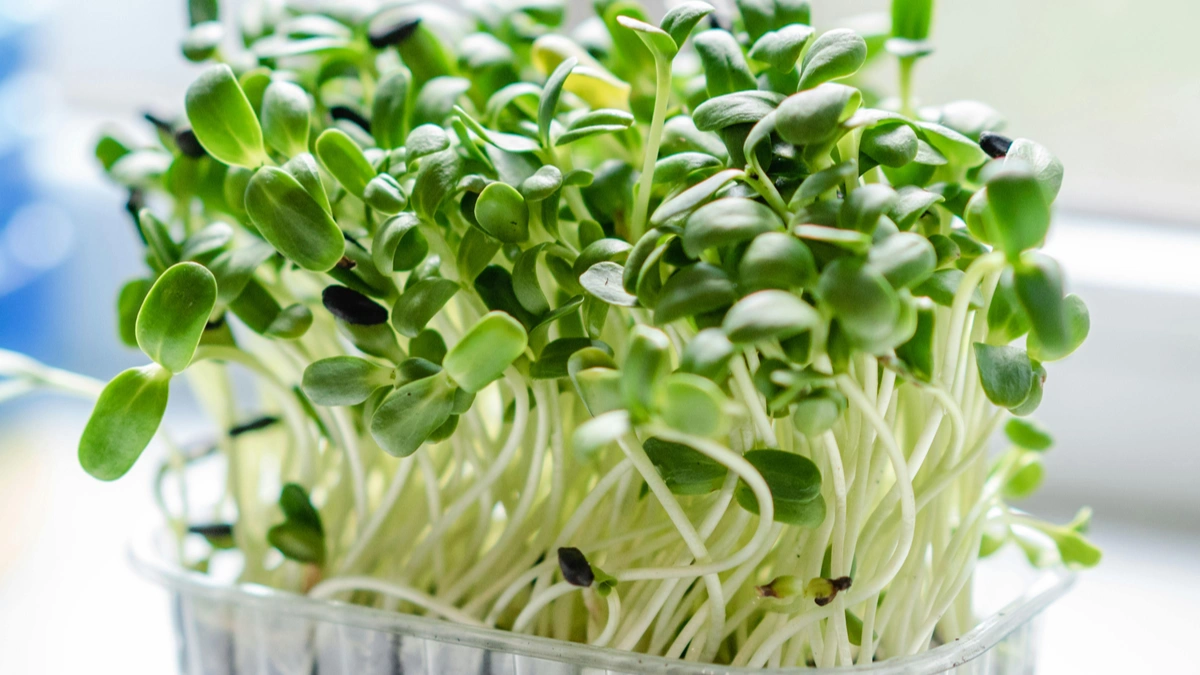
When I first got into microgreens, I loved the idea… but not the soil. Soil in the kitchen, soil on the counter, soil under my nails – not my favourite feeling. I wanted all the fresh, crunchy greens without muddy trays and heavy bags of potting mix.
That’s how I slowly moved into growing microgreens without soil. And honestly, for small apartments and busy routines, this has become my favourite way to grow them. It’s cleaner, faster to set up and easier to manage in tight spaces.
In this guide, I’m sharing the exact soilless methods I use at home – especially on days when I just want a no-mess, no-drama setup. If you’re totally new to growing, you might also like my Microgreens for Beginners guide where I walk through the basics from scratch.
Why Grow Microgreens Without Soil?
I personally like both soil and soilless methods, but soilless has some very real advantages:
- Less mess: No soil spills, no bags to store, no muddy trays.
- Easier indoors: Perfect for rented homes or tiled kitchens.
- Faster cleanup: After harvest, you just compost or throw the used pad/tissue.
- Great for experiments: You can test different seeds and trays quickly.
If you’re trying to keep your home on the low-clutter, low-mess side while still enjoying greenery, soilless microgreens fit beautifully with a modern urban gardening setup.
Best Growing Bases for Soilless Microgreens
You do need something for roots to hold on to. Here are the main options I’ve tried:
1. Tissue Paper (Kitchen Towel Method)
This is the simplest and cheapest option:
- Use 2–3 layers of good quality kitchen tissue.
- Lay them in a shallow tray and spray until fully moist.
- Avoid super thin tissue that breaks when wet.
2. Coco Fibre / Grow Mats
These are thin mats made from coconut fibre or similar material:
- They hold moisture better than tissue.
- Roots anchor more strongly.
- They’re great for slightly longer-growing microgreens.
3. Reusable Mesh Trays (Advanced Option)
Some people use mesh trays and grow microgreens by misting from below. I personally use this only when I’m in full “gardening mode”, not for quick everyday growing.
Step-by-Step: My Soilless Microgreens Routine
1. Choose the Right Tray
I use shallow food containers or simple plastic trays. Ideally, choose something:
- 2–4 cm deep
- With a flat bottom
- Opaque or light-coloured (so roots don’t get harsh light)
2. Prepare the Base
For the tissue method, I:
- Place 2–3 tissue layers in the tray.
- Spray evenly with clean water until fully damp.
- Check there are no dry corners.
For coco mats, I soak them briefly, squeeze out extra water, then lay them flat.
3. Sprinkle the Seeds Generously
Microgreens like dense sowing. I sprinkle seeds almost like I’m salting food – covering the surface but not making a thick pile.
If you are unsure which seeds to start with, I’ve listed my favourites in Best Microgreens to Grow at Home.
4. Blackout Phase (Very Important)
I cover the tray with another tray or a lid (with a little gap) for 1–2 days. This helps seeds sprout stronger, with uniform height.
- Keep in a dark corner at room temperature.
- Check once a day and mist if the base feels dry.
5. Move to Light
Once seeds have sprouted and tiny pale shoots appear, I remove the cover and move the tray near a bright window or under soft indoor light.
Direct harsh sunlight can dry them quickly, so I treat them just like my low-light indoor plants – bright but indirect light works best.
6. Watering Soilless Microgreens
With no soil, watering is all about balance:
- I always use a spray bottle, never pour water directly.
- I mist 1–2 times daily, depending on how dry the home air is.
- I avoid leaving standing water in the tray (that’s how fungus starts).
7. Harvest Time
Most microgreens are ready in 7–10 days, when they’re 5–8 cm tall. I cut them with a clean scissors just above the base, rinse gently and use them fresh.
Best Microgreens for Soilless Growing
In my experience, these perform beautifully without soil:
- Radish microgreens: Super fast, spicy and crunchy.
- Mustard: Grows quickly and adds strong flavour to sandwiches.
- Fenugreek (Methi): Very forgiving, perfect for beginners.
- Green gram (Moong): Thick stems, very satisfying to harvest.
- Broccoli: Slower but very nutritious and mild-tasting.
If you want to set up a regular “production line” of trays, you can rotate 2–3 types each week so you never get bored of the same flavour.

Common Problems (and How I Fix Them)
1. Fungus or White Mold
This usually means:
- Too much water
- Poor air circulation
- Tray kept in a very damp, still corner
I fix it by:
- Watering less and only with a fine mist
- Adding a small fan nearby or opening windows
- Starting again with a thinner tissue layer
2. Weak or Leggy Microgreens
If the shoots are very long, pale and falling over, the issue is usually low light. I move them closer to a window or give them a brighter spot from day 3 or 4.
3. Uneven Growth
This can happen if seeds weren’t spread evenly or the base dried out in patches. Now I always take a moment to spread seeds evenly and check corners while misting.
How Soilless Microgreens Fit into My Zero-Waste Gardening
Even though there’s no soil, I still try to keep my setup as low-waste as possible:
- Reusing trays instead of buying new ones each time
- Composting used coco mats or tissue where possible
- Buying seeds in slightly larger packs to reduce packaging
If you like this mindset, you’ll probably enjoy my Zero-Waste Gardening ideas where I share other ways I reuse containers, kitchen scraps and old pots.
Final Thoughts – Soilless Microgreens Are Perfect for Busy Urban Life
If your home is small, your schedule is crazy and the idea of managing bags of soil feels heavy… soilless microgreens are honestly a dream. You get fresh, crunchy, beautiful greens in about a week, with almost no mess and very little effort.
Start with one tray on your kitchen counter, use seeds you already have (like methi or moong), and follow the simple routine above. Once you see that first lush green tray on day seven, I’m pretty sure you’ll get hooked just like I did.
When you’re ready to expand, you can pair this with:
- Microgreens for Beginners – full starter guide
- Best Microgreens to Grow – flavour & nutrition ideas
- Vegetables You Can Grow in Pots – to go beyond microgreens
Little by little, your kitchen, balcony or window ledge can turn into a tiny urban farm – one tray of greens at a time. 🌱
About the Author