


Money Plant (Pothos) Care – The Easiest Indoor Plant for Beginners
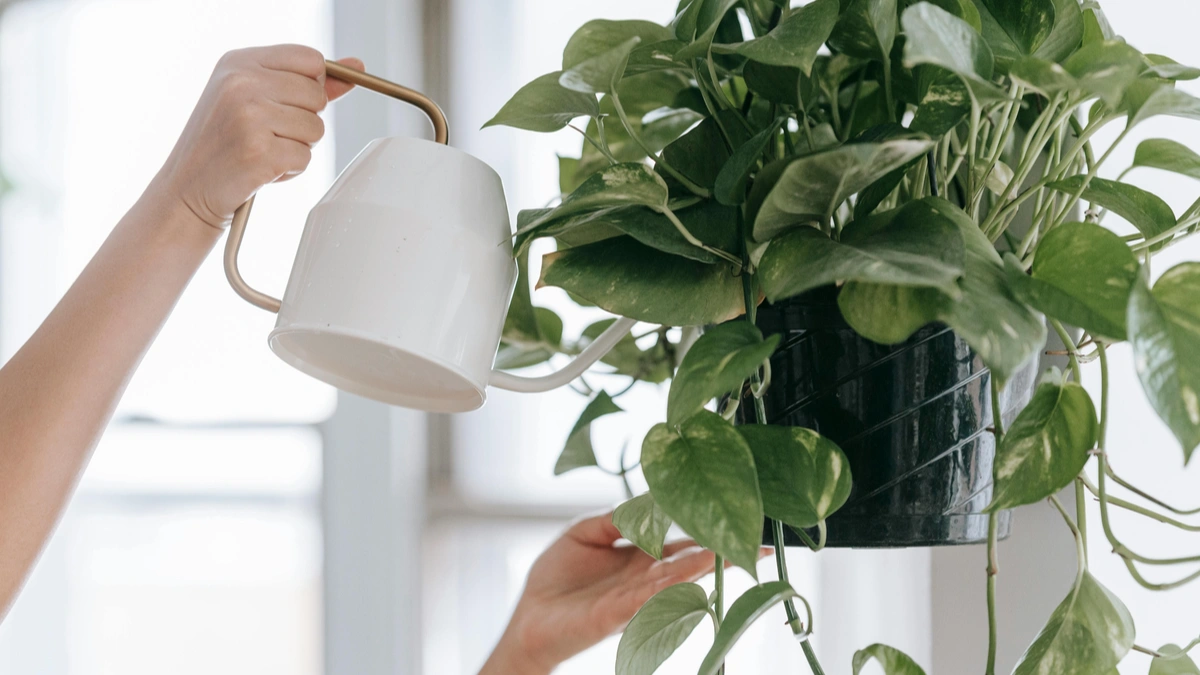
If I walk around my home right now, I can spot Money Plants in almost every room – hanging from shelves, trailing over cabinets and growing in old glass bottles. It’s one of those plants I keep coming back to because it’s easy, forgiving and instantly makes any corner feel alive.
When I first started with indoor plants, Money Plant was my “practice plant”. I experimented with growing it in water, in soil, in bright spots, in low-light corners – and it patiently taught me what works and what doesn’t.
In this guide, I’m sharing how I personally care for my Money Plants at home – from watering and light to soil, pots, pruning and fixing yellow or thin vines. If you’re setting up your first indoor garden, you might also like: Best Indoor Plants for Beginners and Grow Indoor Plants from Cuttings – Step-by-Step Propagation Guide.
Why I Always Recommend Money Plant to Beginners
There’s a reason almost every Indian home has a Money Plant somewhere. Personally, I love it because:
- It grows well in both water and soil, so I can style it differently in each room.
- It handles low to medium light better than many other houseplants.
- It grows fast enough to feel rewarding, but not so fast that it becomes a headache.
- It looks beautiful when trailing from shelves, balcony grills or hanging planters.
- I can easily share cuttings with friends and family – one plant quickly becomes many.
And if you’re into Vastu or Feng Shui, you’ll probably already know people love keeping it near entrances or in the southeast corner for “good luck”. Even if you don’t follow that, it definitely brings a fresh, green energy into the room.
How I Choose the Right Light for My Money Plants
I’ve tried Money Plants in almost all types of indoor light. Here’s what I’ve learned from my own plants:
- In bright, indirect light, the plant becomes lush and full, with bigger leaves.
- In medium light, it still does well and is perfectly happy for most people.
- In low light, it survives, but the vines stretch out and leaves get smaller.
Whenever I kept a Money Plant right in harsh afternoon sun, the leaves developed burnt, brown patches. Now I either move them a little away from that window or use a sheer curtain to soften the light.
If you feel confused about what exactly counts as “bright” or “low” light, this simple reference helps a lot: Indoor Plant Lighting Guide – Understanding Bright, Medium, Low Light.
My Watering Routine for Money Plant
Watering is where I made the most mistakes in the beginning. Sometimes I over-watered out of love; sometimes I forgot completely. Now I follow a very simple rule that works beautifully for my plants:
I water my Money Plants only when the top 1–2 inches of soil feel dry to the touch.
How Often I Usually Water Indoors
- Summer: around every 5–7 days.
- Monsoon: roughly every 7–10 days, depending on how humid the home feels.
- Winter: about every 10–14 days, because the plant drinks slowly in cooler weather.
Instead of strictly counting days, I simply put my finger into the soil. If it still feels moist, I wait. If the soil feels dry and the pot feels lighter, that’s my sign to water.
Overwatering has caused yellow leaves, fungus and gnats for me in the past. If you also struggle to judge this balance, this article might help: Overwatered vs Underwatered Plants – Exact Signs & Fixes.
The Soil Mix I Prefer for Money Plants
I like using a soil mix that drains well but still holds some moisture, so the roots don’t dry out overnight.
Here’s a mix that has worked well for me:
- 50% good quality indoor potting soil
- 25% cocopeat or coir to keep it soft and slightly moist
- 25% perlite or coarse sand for better drainage
Whenever I used heavy garden soil by itself, it compacted over time and the roots looked unhappy. The plant became dull and growth slowed down.
If you ever notice white fungus on the soil surface (I’ve seen this after overwatering in humid weather), this guide may help you fix it naturally: White Fungus on Plant Soil – Natural Remedies That Really Work.
What Pots I Use for My Money Plants
I’ve grown Money Plants in almost everything – plastic pots, ceramic planters, terracotta, balcony railing planters and even upcycled containers. Here’s what I personally keep in mind now:
- For regular pots, I prefer terracotta or ceramic with proper drainage holes.
- If I use plastic pots, I remind myself to water a bit less because they hold moisture longer.
- I don’t jump to very large pots immediately; slightly snug pots give me better growth and fewer watering mistakes.
If you’re planning an indoor plant collection and are confused about pot materials in general, you may find this comparison helpful: Terracotta vs Plastic vs Ceramic Pots – Which One Is Best Indoors?.
How I Grow Money Plants in Water
I absolutely love the look of Money Plant cuttings in glass bottles. They make shelves, kitchen counters and work desks feel fresh with almost no effort.
Here’s exactly how I do it:
- I cut a healthy vine with at least 3–4 nodes (the little bumps where leaves and roots grow).
- I remove any leaves that would sit below the water line.
- I place the cutting in a glass bottle filled with clean water (tap water rested for a few hours also works for me).
- I keep the bottle in bright, indirect light.
- I change the water every 7–10 days so it doesn’t smell or turn green with algae.
I’ve noticed the growth in water is slower than in soil, but the look is totally worth it. Sometimes I shift a well-rooted water cutting into soil when I want a fuller potted plant.
How I Prune & Train Money Plants for a Bushy Look
If I just let my Money Plants grow freely, they tend to become long and thin with leaves mostly at the ends. To keep them bushy and full, I prune them regularly.
- I trim long vines just above a node using clean scissors.
- I use those cuttings to start new plants in water or soil.
- I gently guide or tie vines to grills, hooks or a moss stick if I want them to climb.
- I rotate the pot every few weeks so all sides get light and the plant doesn’t lean to just one side.
This simple routine has helped me turn one small plant into multiple lush pots over time.
Common Money Plant Problems I’ve Seen – And My Fixes
Even though Money Plant is tough, it still shows stress quite clearly through its leaves and growth. These are the problems I’ve personally faced and how I handled them.
1. Yellow Leaves
Most of the time, yellow leaves on my Money Plants have been due to overwatering or poor drainage.
- I check whether the pot is staying wet for too long.
- If there are no drainage holes, I either drill some or repot into a better container.
- I remove the yellow leaves and adjust my watering frequency.
If many of your indoor plants also struggle with yellow leaves, this detailed breakdown can help: Indoor Plant Problems – Yellow Leaves (Causes & Fixes).
2. Thin, Leggy Vines with Small Leaves
Whenever my Money Plant started looking long, thin and “empty” in the middle, it was almost always a light issue.
- I move the plant to a brighter spot with indirect sunlight.
- I trim back the long, bare sections to encourage fresh, fuller growth.
- I often plant a few cuttings back into the same pot to make it denser.
3. Brown Tips on Leaves
I’ve noticed brown tips when the air is too dry, watering is inconsistent or when I use very hard water.
- I trim the brown tips carefully, following the natural shape of the leaf.
- I try to use filtered or stored tap water where possible.
- I avoid letting the plant completely dry out for long stretches and then flooding it.
4. Pests – Mealybugs & Fungus Gnats
I’ve occasionally had tiny flying insects around the soil and white cotton-like patches on the leaves.
- For mealybugs, I wipe the leaves with a cloth dipped in mild soapy water.
- For fungus gnats, I let the top soil dry more and sometimes use yellow sticky traps.
- I also make sure there’s no stagnant water left in trays below the pot.
If gnats have become annoying around your plants, this focused guide may help: How to Remove Gnats from Indoor Plants – Natural & Safe Methods.
Is Money Plant Safe Around Pets and Kids?
In my home, I treat Money Plant like most common houseplants – I enjoy it, but I don’t let children or pets bite it. It is considered mildly toxic if chewed in large amounts, especially for cats and dogs.
- I prefer keeping it on shelves, consoles or hanging planters that pets can’t easily reach.
- I teach kids not to chew any plant, no matter how common it looks.
- If a pet does chew the leaves and looks uncomfortable, I don’t hesitate to call the vet.
Where I Like to Keep My Money Plants
Money Plant is one of my favourite styling tools at home. Some of the places where I love using it:
- On top of shelves or cupboards, letting the vines trail down
- Near bright windows in the living room (but not in harsh direct afternoon sun)
- In hanging baskets in balconies and windows with filtered light
- On work desks in glass bottles – they look minimal and calming
When I want a soothing vibe, I pair Money Plants with Snake Plants and Peace Lilies. If you’re planning a calm bedroom setup, you might enjoy: Best Indoor Plants for Bedroom – Low Light, Air Purifying & Safe.
Final Thoughts – The Plant I Keep Multiplying
Money Plant is one indoor plant I never get bored of. I love how easily it adapts to different corners, bottles, pots and balconies. If you’re nervous about starting with indoor plants, this is the one I’d hand you first.
Once you understand how your Money Plant behaves with different light and watering patterns, you’ll feel far more confident taking care of other indoor plants too.
When you’re ready to add more plants to your home, here are two that sit beautifully alongside Money Plant:
Snake Plant Care Guide – Watering, Soil, Light & Common Problems and ZZ Plant Care Guide – Zero-Maintenance Indoor Plant You Can’t Kill.
About the Author