


Natural Fertilizers for Indoor Plants – Easy Homemade Organic Plant Food
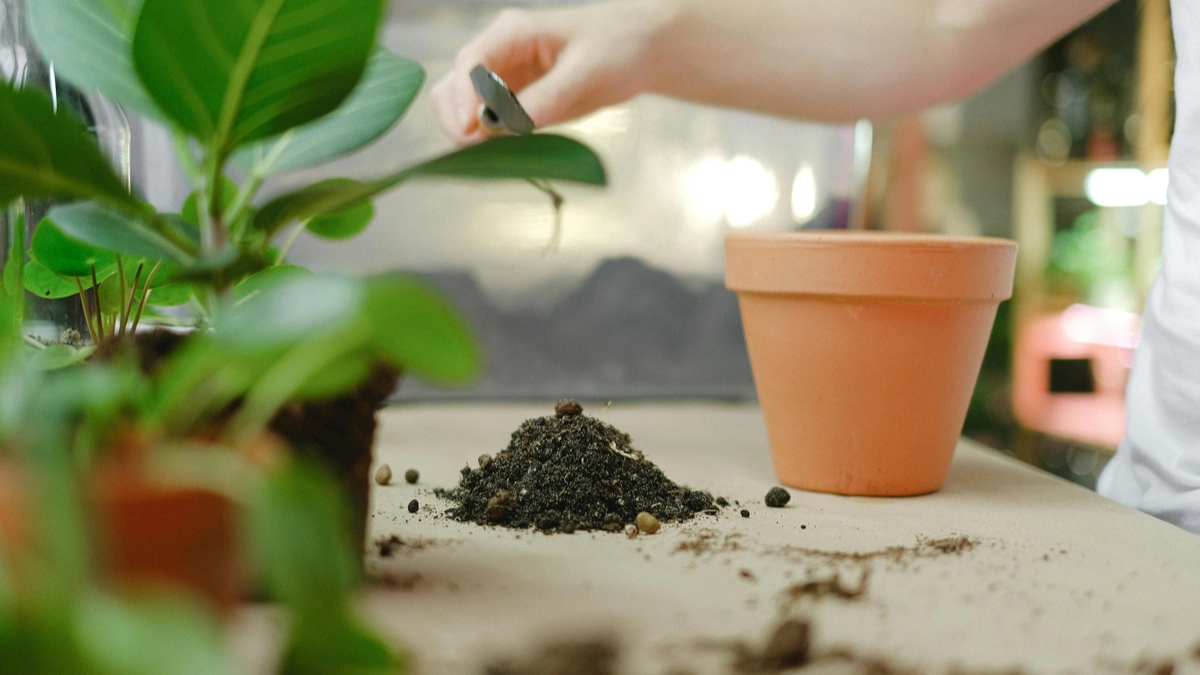
If your indoor plants look weak, grow slowly, or have pale leaves, the problem might not be watering — they may simply need better nutrition. Indoor plants don’t have access to natural soil nutrients, so over time the potting mix becomes empty, and plants stop growing. That’s where natural fertilizers help.
I’ve experimented with dozens of homemade plant foods over the years, from banana peel water to compost tea and organic powders. Some work brilliantly, others cause fungus or bad smell. This guide includes only the methods that consistently helped my money plant, pothos, herbs, peace lily, microgreens and balcony vegetables.
If you combine these fertilizers with a good soil mix like the blend in my Best Potting Mix for Indoor Plants, your plants will stay healthy all year.
Why Use Natural Fertilizers for Indoor Plants?
Natural fertilizers offer slow, steady nutrition. They improve soil structure, build beneficial microbes, and boost root strength. Chemical fertilizers give fast results but can burn indoor plants and create salt buildup.
Benefits of natural plant food:
- chemical-free and safe for pets
- improves soil microorganisms
- prevents root burn
- makes leaves greener and stronger
- works well for herbs and edible plants
- almost free — made from kitchen waste
1. Banana Peel Fertilizer (Potassium Booster)
Banana peels are rich in potassium — the nutrient responsible for strong roots, shiny leaves and healthier growth.
How to make:
- Take 2–3 banana peels.
- Soak them in 1 litre water for 24–48 hours.
- Strain the water and use it for watering.
Use every 15 days. Great for pothos, money plant, peppers, herbs and flowering plants.
2. Eggshell Powder (Calcium Booster)
Eggshells strengthen plant cell walls and prevent tip-burn in many indoor plants.
How to prepare:
- Wash eggshells to remove smell.
- Dry in sun.
- Grind into a fine powder.
- Mix a pinch into soil once a month.
Perfect for snake plant, aloe vera, peace lily and succulents.
3. Rice Water (Gentle All-Purpose Fertilizer)
Instead of throwing rice water, use it as a mild nutrient boost.
How to use:
- Use water from rinsing uncooked rice.
- Do NOT use water from cooked rice — it ferments fast.
- Water plants with diluted rice water once every 10–15 days.
Supports new growth in herbs and microgreens.
4. Compost Tea (Strong Organic Feed)
If you compost kitchen waste, this fertilizer is gold.
Steps:
- Add 2–3 spoons of compost into a cloth bag.
- Soak in 1 litre water overnight.
- Use the brown liquid to water plants.
It improves soil microbes and boosts overall health. Works beautifully when combined with Zero-Waste Gardening habits.
5. Epsom Salt Water (Magnesium Boost)
If leaves look yellow between the veins, your plant may lack magnesium.
How to make:
- Mix ½ teaspoon Epsom salt in 1 litre water.
- Use once a month.
Suitable for pothos, hibiscus, peppers and leafy greens.
6. Aloe Vera Fertilizer (Growth Booster)
Aloe contains enzymes that help roots absorb nutrients faster.
How to use:
- Blend 1 tablespoon aloe gel in 1 litre water.
- Water plants once every 20–30 days.
Safe for almost all indoor plants.
How Often Should You Fertilize Indoor Plants?
I follow a simple schedule:
- Summer → every 15 days
- Monsoon → every 20–30 days
- Winter → once a month or less
Always fertilize after watering so roots don’t burn.
Signs Your Plant Needs Fertilizer
- slow growth
- pale or yellow leaves
- soil looks dry and lifeless
- tiny new leaves
- no new growth for weeks
Before adding fertilizer, ensure your watering routine is correct. See the full guide here: Watering Indoor Plants Guide.
Natural Fertilizers You Should Avoid Indoors
After testing many DIY hacks, these caused problems:
- raw milk — fungus and smell
- curd — ants + insects
- tea leaves — fungus growth
- sugar water — attracts pests
Stick to odor-free fertilizers for indoor spaces.
Final Thoughts – Feed Plants Naturally for Long-Term Health
Feeding your indoor plants doesn’t have to be complicated. With simple, chemical-free fertilizers made from everyday kitchen waste, you can keep your plants green, strong and thriving all year.
Combine natural fertilizers with:
- a balanced potting mix
- correct watering routine
- proper sunlight
And your plants will reward you with shiny leaves, steady growth and cleaner indoor air. If you want your plants to flourish, also read my Natural Pest Control for Indoor Plants guide next.
About the Author