


Natural Pest Control for Indoor Plants – Safe Home Remedies That Work
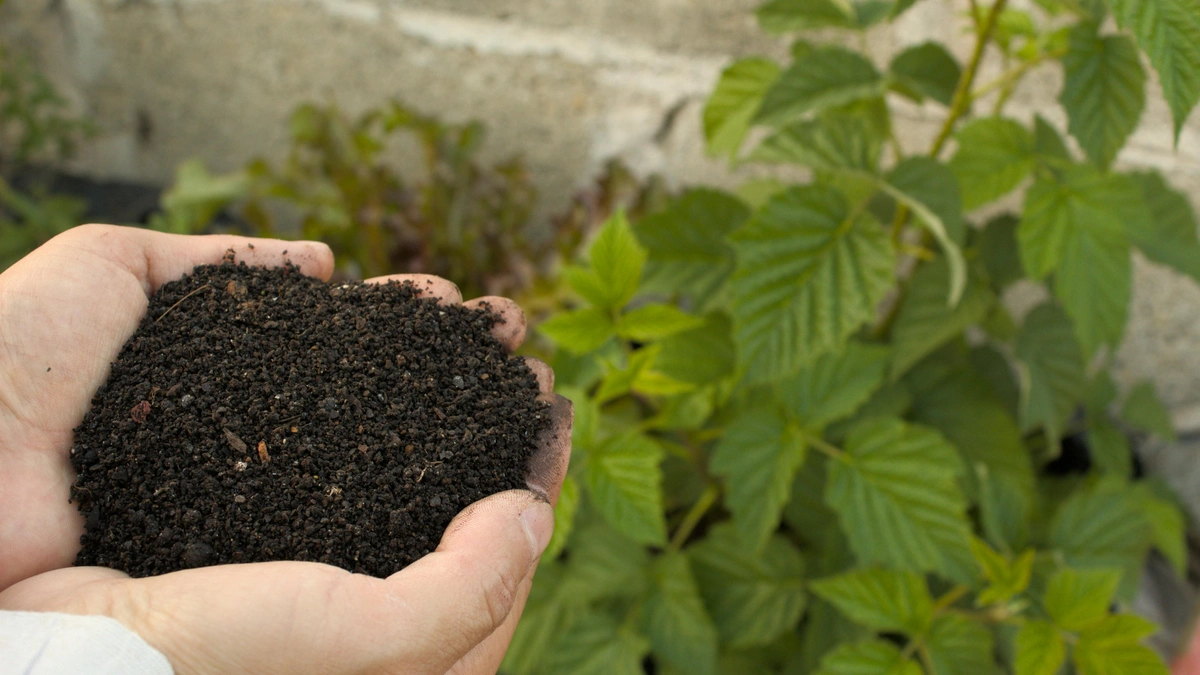
Indoor plants bring life into our homes, but pests like fungus gnats, mealybugs, aphids and spider mites can appear even when you care for your plants well. I’ve personally battled all of them — and the good news is you don’t need harsh chemicals to fix the problem.
Over the years, I’ve tested dozens of natural and homemade remedies. Some worked instantly, others made the situation worse. In this guide, I’m sharing only the remedies that consistently helped my pothos, peace lily, herbs, succulents and balcony plants recover quickly.
If your plants are weakened, also review your watering routine here: Watering Indoor Plants Guide.
Why Do Indoor Plants Get Pests?
Pests usually appear when plants are stressed. Here are the most common reasons:
- overwatering → fungus gnats and root rot
- poor airflow → mites and mold
- weak soil or low nutrients → slow growth and leaf problems
- bought a new infected plant → spreads to others quickly
Keeping plants healthy naturally also involves good soil. If your mix drains slowly or feels sticky, check my Best Potting Mix for Indoor Plants.
1. Neem Oil Spray (Most Effective All-Purpose Remedy)
Neem oil is my first choice for almost every pest — mealybugs, mites, aphids, whiteflies and scale insects.
How to prepare:
- 1 litre water
- 1 teaspoon neem oil
- ½ teaspoon mild liquid soap (helps mixing)
How to use:
- Spray leaves (top + bottom) and the soil surface
- Use at night only
- Repeat every 3 days for 2 weeks
Safe for money plant, snake plant, zz plant, pothos and herbs.
2. Soap Water Spray (Quick Fix for Mealybugs & Aphids)
When I spot early pest signs, this is my fastest solution.
Recipe:
- 1 litre water
- ½ teaspoon mild liquid soap (not detergent)
Spray on affected leaves and wipe gently with tissue. Works instantly for soft-bodied insects.
3. Cinnamon Powder (Stops Fungus Gnats)
Cinnamon is a natural antifungal. It kills gnat larvae in the soil and prevents fungus growth.
How to apply:
- Sprinkle a thin layer on the topsoil
- Lightly mix into the first 1 cm of soil
Best paired with bottom-watering to keep the soil surface dry.
4. Garlic Water Spray (Strong Natural Repellent)
Garlic is antibacterial, antifungal and antiviral — a strong natural pest repellent.
How to make:
- Crush 4–5 garlic cloves.
- Boil in 1 litre water for 5 minutes.
- Cool, strain, and spray.
Use every 7–10 days. Avoid spraying directly inside your home due to the strong smell.
5. Sticky Yellow Traps (Best for Gnats & Whiteflies)
These traps catch flying adult pests before they lay eggs.
- Place near soil
- Replace every 2–3 weeks
- Very effective for gnats during overwatering periods
6. Alcohol Cotton Swab (For Mealybugs)
If you see white cotton-like insects on stems, you’re dealing with mealybugs.
Method:
- Dab a cotton swab in 70% isopropyl alcohol
- Touch each mealybug — they dissolve instantly
- Repeat every 3 days for 2 weeks
This method alone saved my pothos and peace lily many times.
7. Natural Soil Sterilization (If Soil Is Infested)
If the soil has too many gnat larvae or mold, it’s better to refresh it.
Options:
- sun-dry soil for 6–8 hours
- mix 1–2 spoons neem powder
- add fresh cocopeat + perlite for airflow
Learn how to prepare the perfect soil blend in Best Indoor Plant Potting Mix.
How to Prevent Pest Problems Long-Term
- avoid overwatering
- ensure good drainage and aeration
- clean leaves monthly
- quarantine new plants for a week
- use neem spray once a month as prevention
Also consider adding a self-watering system for stable moisture control: DIY Self-Watering System.
Final Thoughts — Natural Pest Control Works Better Than Chemicals
Indoor plants are delicate, and harsh chemical sprays can weaken them further. Natural pest control keeps plants healthy while keeping your home environment safe.
Stay consistent with treatments, keep your soil healthy, and maintain proper watering routines. If your leaves still look dull even after removing pests, boost growth with gentle fertilizers from my Natural Fertilizers Guide.
About the Author