


Overwatered vs Underwatered Plants – Exact Signs & Simple Fixes
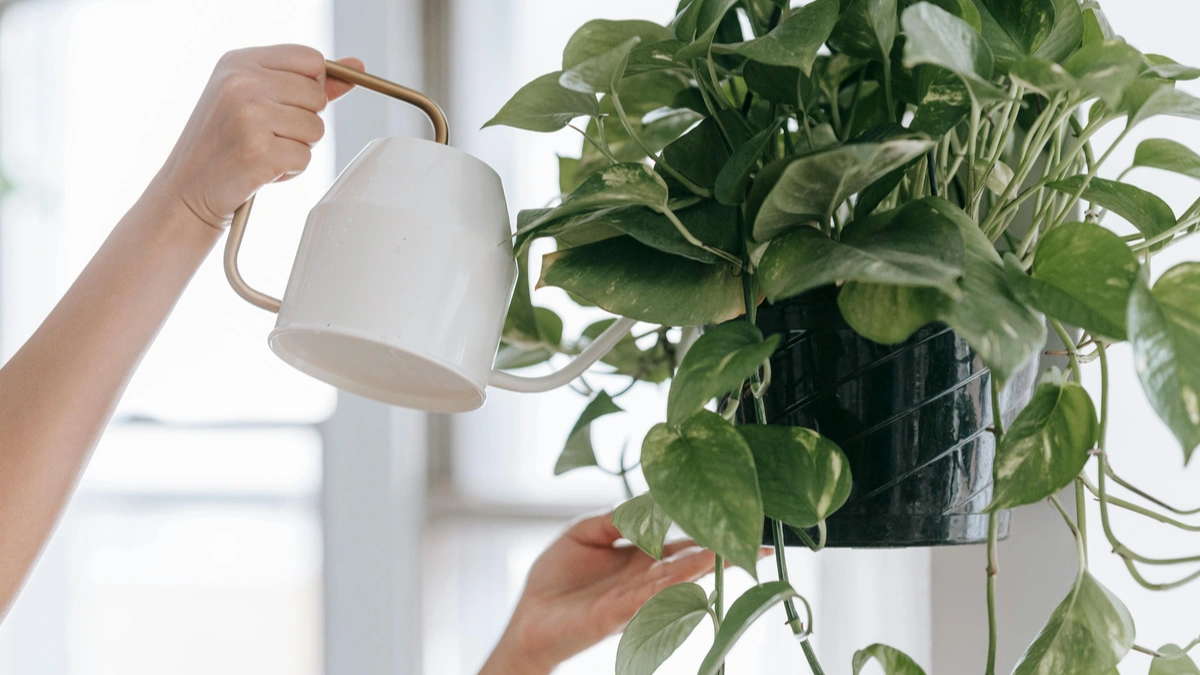
Most plant problems start from the same doubt: “Did I give too much water or too little?” Both overwatering and underwatering can cause yellow leaves, drooping and leaf drop, so it gets confusing very quickly.
The good news is that once you know what to look for — in the soil, leaves and even the smell of the pot — it becomes quite easy to tell the difference.
This guide is a simple, practical way to diagnose what’s going wrong and how to fix it step-by-step. If you’re also seeing yellow or brown leaves, you may find these useful too: Indoor Plant Problems – Yellow Leaves (Causes & Fixes) and Why Indoor Plant Leaves Get Brown Tips.
Quick Difference: Overwatered vs Underwatered at a Glance
- Overwatered: soil is wet or soggy, leaves often yellow and soft, pot feels heavy, sometimes has a musty smell.
- Underwatered: soil is very dry and pulling away from the pot edges, leaves are crispy or curled, pot feels very light.
If you’re not sure, always start by checking the soil with your finger — it tells the truth faster than the leaves.
Signs of an Overwatered Plant
Overwatering doesn’t always mean you are watering “too often”. It can also happen because of:
- Pots without drainage holes
- Heavy, compact soil that stays wet for days
- Plants kept in low light with frequent watering
Typical overwatering symptoms:
- Soil stays wet for many days after watering
- Yellowing leaves, usually starting from the bottom
- Leaves drooping even though the soil looks moist
- Soft, mushy stems in severe cases
- Fungus or mould on soil surface
- Musty or rotten smell from the pot
If that sounds familiar, your plant is likely overwatered. This guide also connects well here: White Fungus on Plant Soil – Natural Remedies.
How to Fix an Overwatered Plant
1. Stop Watering Immediately
Let the soil dry out naturally. Don’t “flush” with more water — that makes the problem worse.
2. Improve Air and Light
- Move the plant to a brighter (but not harsh) spot.
- Ensure good airflow around the pot.
3. Check the Roots
If the plant is in serious trouble (strong smell, very mushy stems), gently slide it out of the pot and inspect the roots:
- Healthy roots: firm and white/light brown
- Rotten roots: black, mushy, easily breaking
Trim off rotten parts with clean scissors and repot in fresh, airy mix. A helpful companion guide: Best Potting Mix for Indoor Plants.
4. Fix the Drainage
- Use pots with proper drainage holes.
- Empty water from outer decorative pots or trays.
- Avoid very large pots with too much wet soil.
Signs of an Underwatered Plant
Underwatering is usually easier to fix, but if it goes too far, leaves may dry and drop permanently.
Typical underwatering symptoms:
- Dry, crispy leaf tips and edges
- Leaves curling inward or folding
- Soil pulling away from the edges of the pot
- Very light pot weight when you lift it
- Plant revives quickly after watering, but droops again soon
In some plants, like Peace Lily, underwatering shows up as dramatic drooping that perks up within hours of a good drink.
How to Fix an Underwatered Plant
1. Deep Watering Instead of Frequent Sips
Place the pot in a sink or balcony and water it slowly until excess water drains out from the bottom. This ensures the root zone actually gets moisture.
2. Rehydrate Dry Soil
If the soil has become water-repellent and shrunk from the pot edges:
- Water in small rounds, giving time for absorption.
- Or use bottom watering: place the pot in a tray of water for 15–20 minutes and let it soak from below.
3. Adjust Your Watering Rhythm
Instead of watering “every X days”, check the top 2–3 cm of soil with your finger:
- If it feels dry → water.
- If it still feels cool and moist → wait.
For season-wise guidance, this detailed guide helps: Indoor Plant Watering Schedule by Season.
Same Symptoms, Different Causes
Some signs can appear in both overwatered and underwatered plants, which is why soil checking is so important.
Drooping Leaves
- Overwatered droop: soil is wet, leaves feel soft/heavy.
- Underwatered droop: soil is very dry, leaves feel thin and limp.
Yellow Leaves
- Overwatering is the more common cause.
- But underwatering + low humidity can also cause yellowing and browning.
If you’re seeing ongoing yellowing, this article goes deeper: Indoor Plant Problems – Yellow Leaves.
Different Plants, Different Preferences
Not all plants like the same watering routine. A few quick examples:
- Snake Plant & ZZ Plant: prefer drying out completely between waterings.
- Peace Lily & Ferns: like slightly moist soil, but still need drainage.
- Rubber Plant & Philodendron: enjoy regular moisture but hate soggy roots.
If you’re unsure about a particular plant, check its dedicated care guide, like: Snake Plant Care, ZZ Plant Care, or Rubber Plant Care.
How to Avoid Both Overwatering & Underwatering
- Use airy potting mix instead of heavy garden soil.
- Choose pots with drainage every single time.
- Match plants to your light conditions – more light usually means more frequent watering, low light often means less water.
- Water based on the soil feel, not the calendar.
- Reduce watering in winter and during very cloudy weeks.
Also helpful: Why Is My Indoor Plant Dying? 12 Reasons & Fixes.
Final Thoughts – The Soil Tells You Everything
When you’re confused between overwatering and underwatering, always go back to the basics: touch the soil, lift the pot, look at the roots if needed. Leaves can sometimes mislead you, but the soil never lies.
Once you get comfortable with that small habit, watering stops feeling like guesswork. Your plants will respond with stronger growth, fewer yellow leaves and a lot more fresh, happy foliage.
Next, you might enjoy:
Indoor Plant Lighting Guide – Bright, Medium, Low Light
Indoor Plant Watering Schedule by Season
Fast-Growing Indoor Plants
About the Author