


Peace Lily Plant Care – Watering, Light & Blooming Tips
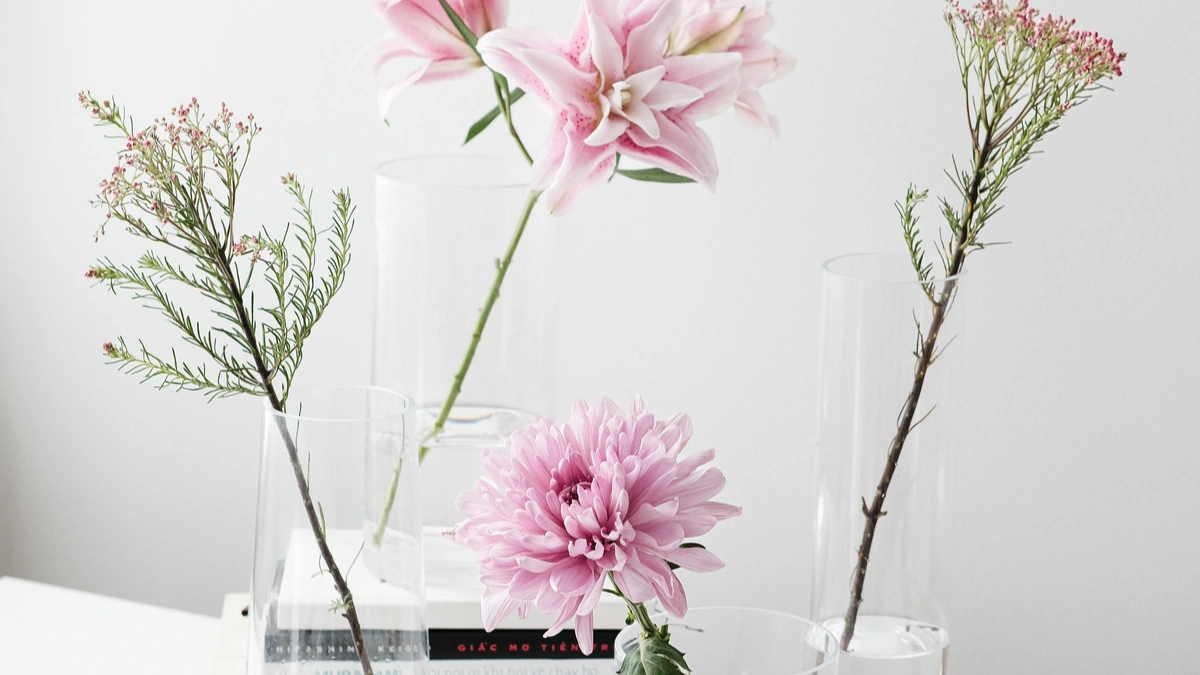
Peace Lily is one of those indoor plants that instantly makes a room feel calmer. Glossy green leaves, white blooms, and a soft, elegant shape – it looks like a plant that needs a lot of effort, but actually behaves quite generously once you understand a few simple things.
Many people bring home a Peace Lily for its flowers and then panic when it droops, gets brown tips or stops blooming. Most of these issues are easy to fix with small changes in watering, light and potting.
This guide walks through how to keep a Peace Lily happy in Indian homes and apartments – how often to water, how much light it needs, how to keep leaves healthy and what to do when it refuses to bloom. If you are also exploring other indoor plants, you may like: Best Indoor Plants for Bedroom – Low Light, Air Purifying & Safe and Best Indoor Plants for Stress Relief – Personal Favourites That Actually Work.
Why Peace Lily Is a Favourite Indoor Plant
There are a few reasons Peace Lily keeps appearing in bedroom setups, offices and hotel lobbies:
- It does well in bright to medium indirect light.
- It signals when it is thirsty by gently drooping, then perks back up after watering.
- The white blooms stand out beautifully against the dark green leaves.
- It doesn’t need complex care routines or special equipment.
- It works well as a floor plant, table plant or corner accent.
Once you get the balance of light and water right, a Peace Lily becomes a reliable, long-term plant rather than a temporary “decoration”.
Light Requirements – How Much Light Does Peace Lily Need?
Peace Lily is often called a “low-light” plant, but it actually performs best in bright, indirect light.
- Bright, indirect light: more blooms, stronger growth, richer leaf colour.
- Medium light: still healthy, but fewer flowers and slightly slower growth.
- Low light: plant survives but may stop blooming and become more leaf-focused.
Direct harsh sunlight, especially in the afternoon, can scorch leaves and cause pale or bleached patches. A spot near a window with filtered light, or a few feet away from a bright window, usually works best.
If you want to understand light levels for all your indoor plants in a simple way, keep this guide handy: Indoor Plant Lighting Guide – Understanding Bright, Medium, Low Light.
How Often to Water a Peace Lily
Watering is the part most people stress about with Peace Lilies. The good news is that the plant itself gives clear signals when it needs a drink – the leaves droop slightly and look tired, then bounce back within a few hours of watering.
A simple rule that works in most homes:
Water when the top inch of soil feels dry and the leaves just begin to soften or droop.
Approximate Indoor Watering Pattern
- Summer: around once a week, sometimes slightly more in very hot, dry rooms.
- Monsoon: every 7–10 days, depending on how humid the home feels.
- Winter: every 10–14 days, with a lighter hand on watering.
Peace Lily doesn’t like sitting in soggy soil. Consistently wet roots are a quick route to yellow leaves and root rot, so it’s better to water deeply and then let the top layer dry again.
If you find it difficult to judge whether plants are getting too much or too little water, this guide can help for your entire collection: Overwatered vs Underwatered Plants – Exact Signs & Fixes.
Soil Mix & Pot Choice for Peace Lily
Peace Lilies like a soil that stays lightly moist but not muddy. A mix that drains well yet holds some moisture is ideal.
Here’s a simple mix that works well:
- 50% good quality indoor potting soil
- 25% cocopeat or coir for moisture retention
- 25% perlite, pumice or coarse sand for drainage and air pockets
This combination keeps the soil soft, allows roots to breathe and prevents water from stagnating at the bottom.
For the pot, a few things help a lot:
- Always choose a pot with drainage holes.
- Plastic or ceramic pots are fine, but water more carefully as they retain moisture longer.
- Terracotta pots allow extra moisture to escape through the sides and can be helpful if you tend to overwater.
- Repot when roots circle around the pot and the plant seems too crowded – usually every 1–2 years.
If you are still deciding which pot material works best overall for indoor plants, this comparison can help: Terracotta vs Plastic vs Ceramic Pots – Which One Is Best Indoors?.
Humidity & Temperature – Creating a Comfortable Environment
Peace Lilies appreciate conditions that feel comfortable to humans too – not too dry, not too cold.
- Temperature: ideally between 18–28°C. Avoid very cold drafts from AC vents directly on the plant.
- Humidity: moderate humidity is enough, but very dry air can cause brown tips.
Simple ideas that help in drier rooms:
- Keep the plant away from direct AC blasts.
- Group it with other plants so they create a slightly more humid micro-climate.
- Use a pebble tray with water under the pot (without the pot sitting directly in the water).
Fertilizing Peace Lily – How Often Is Enough?
Peace Lilies benefit from gentle feeding during the growing season, but they don’t need heavy, frequent doses.
- Use a balanced liquid fertilizer at half-strength.
- Feed once every 4–6 weeks in spring and summer.
- Reduce or stop fertilizing in winter when growth naturally slows down.
Too much fertilizer can cause brown edges, salt build-up in the soil and weak, floppy growth. In most indoor setups, “light and regular” feeding works better than strong doses.
How to Get More Blooms on a Peace Lily
The classic white “flowers” of the Peace Lily are what make it so attractive. If the plant has stopped blooming, a few key factors are usually responsible.
1. Give Enough Light
Blooming needs energy. Peace Lilies kept in very low light usually focus on survival, not flowering.
- Move the plant to a spot with brighter, indirect light.
- A location near an east or north-facing window often works well.
2. Don’t Let It Stay Root-Bound Forever
A slightly snug pot is fine, but when roots are extremely cramped, blooming often reduces.
- Check the drainage holes for roots poking out.
- If the plant dries out quickly after watering and looks crowded, repot into a slightly bigger pot with fresh soil.
3. Feed Lightly During the Growing Season
A gentle, balanced fertilizer gives the plant the nutrients it needs to produce new blooms. Just avoid overdoing it – a little regularly works better than a lot at once.
Common Peace Lily Problems & Fixes
Peace Lily leaves are expressive – they quickly show when something is off. Here are some common problems and what they usually mean.
1. Drooping Leaves
Drooping is often a sign of thirst, especially if the soil feels dry and the plant perks up soon after watering.
- Check soil moisture with your finger before assuming anything.
- If soil is dry, give a thorough watering until excess drains out.
- If soil is wet and the plant still droops, overwatering or root issues may be involved.
2. Yellow Leaves
Yellow leaves can come from overwatering, old age or poor drainage.
- Remove old yellow leaves from the base – some leaf loss is natural over time.
- Make sure the pot has drainage and water isn’t sitting in a tray for days.
- Let the soil dry more between waterings if it is often wet.
If yellow leaves are showing up across several indoor plants, this deeper guide might be helpful: Indoor Plant Problems – Yellow Leaves (Causes & Fixes).
3. Brown Tips or Edges
Brown tips are very common on Peace Lilies. They’re usually linked to dry air, underwatering, hard tap water or fertilizer salts.
- Trim only the brown parts, following the shape of the leaf.
- Try using filtered water or tap water left overnight so chlorine can dissipate.
- Avoid letting the plant swing between extremely dry and then heavy watering.
- Flush the soil occasionally by watering deeply so excess salts drain out.
4. White Fungus or Mould on Soil
A white layer on the soil surface usually means the soil is staying damp for too long and airflow is low.
- Scrape off the top affected layer gently and discard it.
- Let the top of the soil dry out more between waterings.
- Improve air movement around the plant.
If this is a recurring issue across pots, this article goes into more detail: White Fungus on Plant Soil – Natural Remedies That Really Work.
Pets, Kids & Peace Lily Safety
Peace Lily is considered mildly toxic if ingested, like many common houseplants. It’s usually not a problem as long as leaves are not being chewed.
- Keep it out of reach of very curious pets and toddlers.
- Discourage children from putting any plant parts in their mouths.
- If a pet or child chews a leaf and then seems unwell, contact a vet or doctor for advice.
With basic care around placement, Peace Lilies are widely used even in family homes.
Best Places to Keep a Peace Lily at Home
Peace Lily has a soft, elegant look that fits perfectly into calm and cosy corners. Some good placement ideas:
- Next to a window in the living room with filtered light.
- In the bedroom on a stand or low table away from direct AC.
- In a reading corner or home office to soften the look of furniture and electronics.
- Near a bathroom door or corridor if there’s enough indirect light.
It also combines nicely with Snake Plant, Money Plant and ZZ Plant to create a low-maintenance indoor group. For more bedroom-friendly plant options, have a look at: Best Indoor Plants for Bedroom – Low Light, Air Purifying & Safe.
Final Thoughts – A Calm, Rewarding Indoor Plant
A healthy Peace Lily can become the quiet star of a room – green leaves, white blooms and a gentle, relaxed presence. Once watering and light are balanced, it’s not a demanding plant and quickly becomes part of the daily background of home life.
If you’re building a small collection, Peace Lily pairs beautifully with other easy-care plants like Snake Plant, Money Plant and ZZ Plant. Together, they cover a good range of shapes, colours and textures without adding too much work.
You can explore more care guides here:
Snake Plant Care Guide – Watering, Soil, Light & Common Problems
Money Plant (Pothos) Care – The Easiest Indoor Plant for Beginners
ZZ Plant Care Guide – Zero-Maintenance Indoor Plant You Can’t Kill
About the Author