


Pet-Safe Indoor Plants for 2025 – Non-Toxic Greenery I Trust Around Cats & Dogs
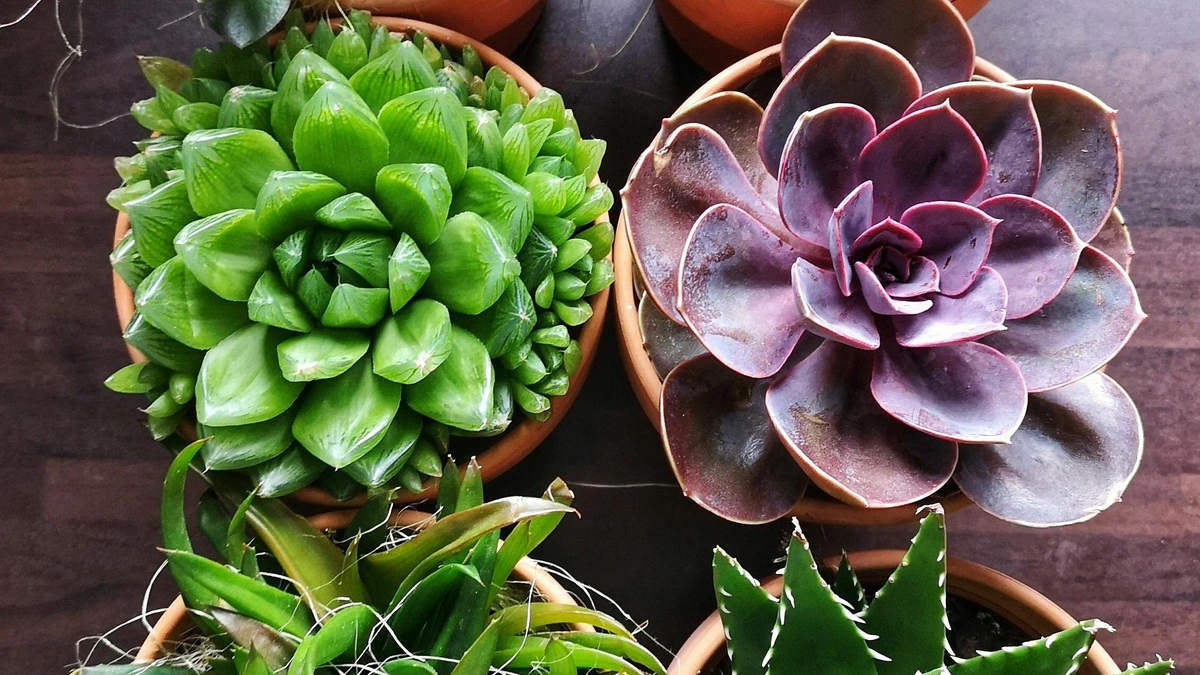
When I first started bringing plants into my home, I was excited about how green and cozy everything looked. But there was one big worry in the back of my mind: “Are these plants safe if a cat or dog decides to chew them?” I didn’t want my love for plants to become a risk for any furry family members.
That’s when I really started reading about pet-safe indoor plants and watching how my friends’ pets behaved around plants. Over time, I’ve built a list of plants that I personally feel more comfortable keeping in a home with pets – plus a few simple rules I follow so everyone (plants and pets) can live together peacefully.
This guide is not written like a medical textbook. It’s a practical, real-life view from someone who loves plants, cares about animals and also enjoys building a calm, green home. If you also dream of filling your space with greenery but worry about your cat or dog, this article is for you.
Quick Note Before We Start – Safety First
A small reminder before we talk about specific plants:
- Every pet is different. Some ignore plants completely, others chew everything new they see.
- “Pet-safe” or “non-toxic” usually means low risk, not “safe to eat as a salad”.
- If your pet ever shows unusual symptoms after chewing a plant (vomiting, drooling, weakness), call a vet immediately.
My own approach is simple: I try to pick safer plants, observe behaviour and place more delicate ones out of easy reach. And I never rely only on plants for a healthy home – I mix them with good ventilation, cleaning habits and gentle, natural home fragrance ideas.
1. Areca Palm – Pet-Friendly Green “Curtain” for Living Rooms
The Areca Palm is one of my favourite pet-safe choices. It looks lush and tropical, grows into a nice medium-sized plant and is commonly considered non-toxic to cats and dogs.
I love using it near windows to soften harsh lines of furniture. It creates a gentle “green curtain” without blocking all the light.
Care in short:
- Bright, indirect light is best (near east or north-facing windows).
- Keep the soil evenly moist, not soggy.
- Use a light, airy potting mix so roots don’t suffocate.
For soil, I use something very similar to what I’ve shared in my best potting mix for indoor plants guide.
2. Spider Plant – Safe, Playful & Great for Hanging Pots
Spider plants are often recommended as pet-safe houseplants and I completely understand why. They’re cheerful, easy to grow and their hanging “baby” plants look very playful.
Many cats actually love batting at the dangling leaves, so if your cat is very playful, I personally suggest hanging spider plants a little higher or in spots that can’t be easily jumped onto.
Why I like them in pet homes:
- Generally considered non-toxic to cats and dogs.
- Very forgiving for beginners.
- Perfect for shelves, window ledges and hanging baskets.
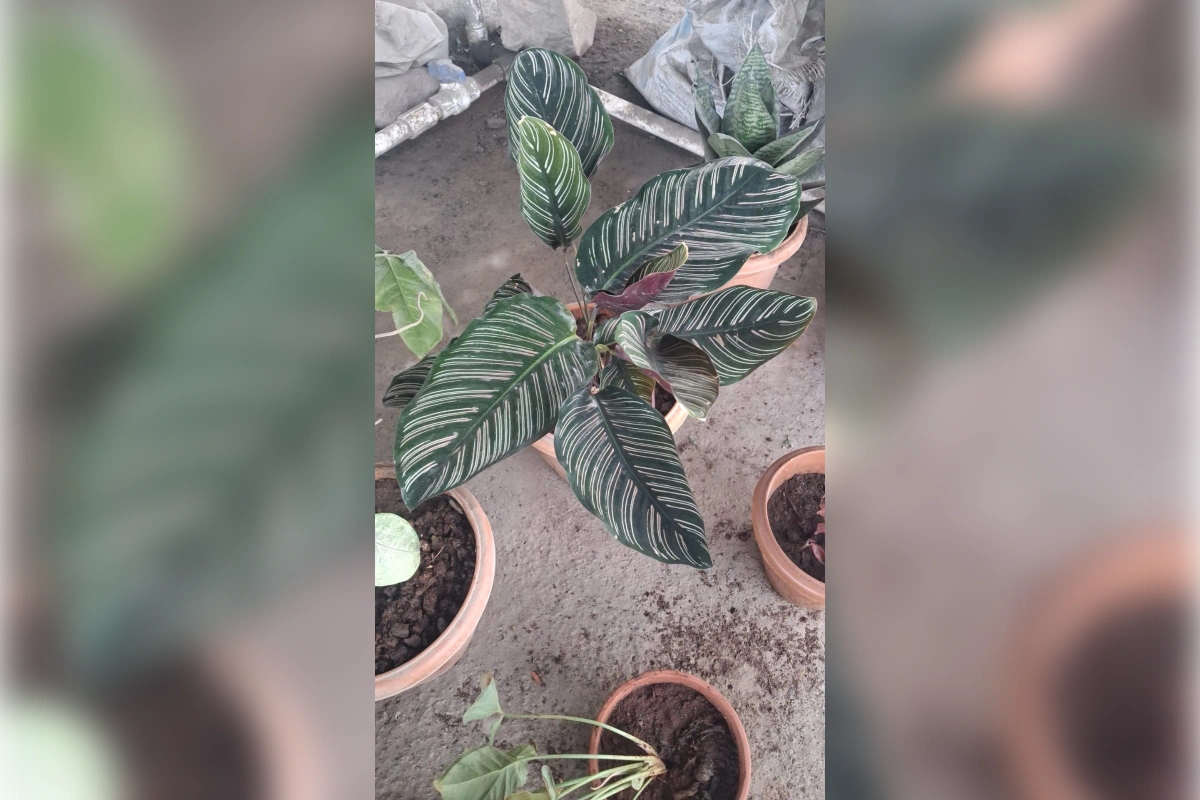
3. Calathea – Beautiful Leaves Without the Toxic Drama
If you love patterned leaves but worry about toxicity, Calathea is a great direction. Many Calathea varieties are considered non-toxic to pets, and they add a lot of visual interest without flowers.
They can be a little sensitive about watering and humidity, but once you understand their rhythm, they reward you with gorgeous, soft leaves.
Basic calathea care:
- Medium to bright indirect light, no harsh sun.
- Keep the soil lightly moist but not waterlogged.
- They enjoy slightly higher humidity (bathroom with a window can be perfect).
4. Parlour Palm – Compact Palm for Bedrooms & Desks
The Parlour Palm is a smaller cousin of the Areca Palm and another plant commonly considered safe for pets. It’s ideal if you don’t have the space for a giant floor plant but still want that palm vibe.
I like using parlour palms in corners of my bedroom or next to a reading chair. They don’t grow too fast indoors, which makes them easier to maintain in apartments.
5. Some Peperomia & Ferns – Cute Options for Shelves
Several Peperomia varieties and classic Boston Ferns are also often listed as non-toxic to pets. I personally love them for smaller shelves and as desk companions.
They’re especially nice when you’re trying to build a green corner without using only big floor plants.
Where I Place Pet-Safe Plants in My Home
In my own flat, this layout has worked really well:
- Living room: Areca palm or parlour palm beside the sofa, spider plant on a high shelf.
- Bedroom: Calathea or parlour palm near the window, away from direct reach.
- Work desk: A small Peperomia in a simple pot for a soft, calm vibe.
I combine these with other non-pet-related indoor gardening ideas from my urban gardening & indoor gardening guide so the home feels green but still practical.
Practical Tips for Mixing Plants & Pets Safely
Over time, I’ve learned a few simple habits that help keep peace between plants and pets:
- Observe your pet first: Some animals completely ignore plants, others nibble everything.
- Use height smartly: Keep more delicate plants on shelves, hanging planters or window grills.
- Start with a few plants: See how your cat or dog reacts before filling the whole house.
- Keep the soil clean: Avoid using chemical pesticides or fertilisers on indoor plants. Natural options are better – I’ve shared some in my natural pest control for indoor plants guide.
These little habits make a huge difference in real life – especially in smaller homes where everyone shares the same space.
Final Thoughts – A Calm, Green, Pet-Friendly Home Is Possible
I genuinely believe you don’t have to choose between loving plants and loving pets. With a bit of awareness and a few smart choices, both can happily exist in the same room, on the same balcony and in the same cosy corners of your home.
Start with a small selection of pet-safe plants you truly like the look of, place them thoughtfully and watch how your pets respond. As you gain confidence, you can slowly add more plants, experiment with different corners and maybe even expand into balcony or micro-gardening with the help of my balcony gardening setup guide.
At the end of the day, a home that feels alive, soft and welcoming is the real goal — for you, for your plants and for your four-legged roommates. 🌿🐾
About the Author