


Rubber Plant Care – How to Grow Big, Shiny Leaves Indoors
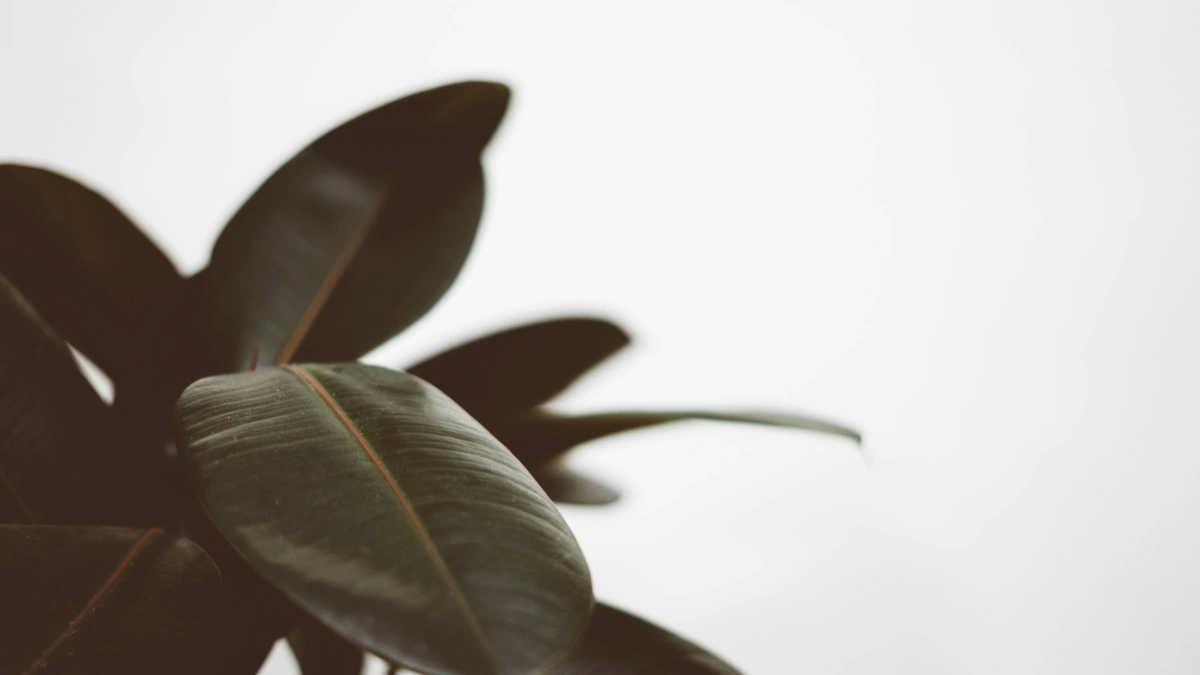
A healthy Rubber Plant (Ficus elastica) looks like a statement piece – tall stems, big glossy leaves and a strong, architectural shape. It can easily become the main highlight of a living room or a bright corner in a bedroom.
Many people think Rubber Plants are “difficult” because leaves can drop or edges turn brown when something is off. In reality, the plant follows a few simple rules. Once those are in place, it grows steadily and doesn’t demand daily attention.
This guide focuses on growing Rubber Plants indoors in Indian-style homes and apartments – how much light they actually need, how often to water, which soil and pots work best and how to keep those leaves looking big, shiny and healthy. If you’re building a full indoor plant corner, you may also like: Snake Plant Care Guide – Watering, Soil, Light & Common Problems and ZZ Plant Care Guide – Zero-Maintenance Indoor Plant You Can’t Kill.
Types of Rubber Plant You Commonly See Indoors
There are several varieties of Rubber Plant, but most indoor collections usually have one or more of these:
- Burgundy Rubber Plant: deep green to almost black leaves with a rich, dramatic look.
- Tineke: green leaves with cream and light green variegation.
- Ruby: pinkish-red and cream variegated leaves with a softer, colourful feel.
Care basics are similar for all of them. Variegated varieties like Tineke and Ruby usually appreciate slightly brighter indirect light than the solid dark green types.
Light Requirements – Where to Place a Rubber Plant
Light is one of the key reasons Rubber Plants either thrive or sulk indoors. They like a good amount of brightness but not harsh, direct sun.
- Bright, indirect light: ideal. Think near a large window with filtered sunlight.
- Medium light: acceptable, but growth will be slower and the plant may become a bit leggier.
- Low light: not ideal. The plant may survive for a while but will not look its best and leaves may start to drop.
Direct afternoon sun can scorch the leaves, especially on variegated types. Morning sun with protection later in the day usually works better than all-day exposure.
If you’d like to plan all your indoor plant spots properly based on light, this guide can be very useful: Indoor Plant Lighting Guide – Understanding Bright, Medium, Low Light.
How Often to Water a Rubber Plant
Rubber Plants prefer a rhythm where the soil is allowed to dry slightly between waterings but never stays soggy for long periods. Overwatering is a common reason for leaf drop.
A simple rule:
Water when the top 2–3 cm of soil feel dry to the touch.
Indoor Watering Pattern (Approximate)
- Summer: every 7–10 days, depending on heat, pot size and light.
- Monsoon: every 10–14 days if the air is more humid.
- Winter: every 2–3 weeks, as growth and water use slow down.
Rather than strictly following the calendar, it helps to:
- Feel the soil with your fingers.
- Lift the pot slightly to sense how heavy it is.
- Check how quickly the plant droops or perks up after watering.
If you find yourself constantly confused between “too much” and “too little” water for your plants, this article can help across your whole collection: Overwatered vs Underwatered Plants – Exact Signs & Fixes.
The Best Soil Mix for Rubber Plant
Rubber Plants appreciate a mix that drains well, yet still holds enough moisture for those thick, fleshy roots and stems.
Here’s a simple mix that works well indoors:
- 50% regular indoor potting soil
- 25% cocopeat or coir to keep the mix soft and lightly moist
- 25% perlite or coarse sand for better drainage and airflow
This kind of blend avoids the two extremes of staying soggy or drying into a hard brick. If water sits on top of your soil for long before soaking in, or if the soil feels very heavy and muddy after watering, it’s a sign the mix needs more drainage.
Which Pot Works Best for Rubber Plants?
Because Rubber Plants can grow into tall, tree-like shapes, pot choice matters for stability and root health.
- Always use a pot with drainage holes – this is non-negotiable.
- Heavier pots like ceramic or terracotta help keep tall plants stable.
- Plastic pots are lighter, so they may need a heavier outer decorative planter.
- Move up just one or two sizes at a time when repotting – very large pots hold more water than the plant can use.
If you’re comparing pot materials for multiple indoor plants, this breakdown can help you decide: Terracotta vs Plastic vs Ceramic Pots – Which One Is Best Indoors?.
Humidity, Temperature & Cleaning the Leaves
Rubber Plants are quite adaptable to normal home conditions, but a few small habits keep them looking much better.
- Temperature: they prefer 18–30°C and dislike cold drafts or sudden chills.
- Humidity: normal indoor humidity is usually fine; extremely dry air can cause a few brown edges.
Dust builds up quickly on Rubber Plant leaves, especially in cities. A thin layer of dust blocks light and makes leaves look dull.
- Use a soft, damp cloth to gently wipe both sides of the leaves every few weeks.
- Avoid harsh leaf shine products; plain water or very mild, diluted soap is usually enough.
Cleaning the leaves not only makes the plant look better, but also helps it photosynthesize more efficiently.
How to Prune & Shape a Rubber Plant
Without pruning, a Rubber Plant can become tall and bare at the bottom. Simple pruning keeps it bushy and helps control height indoors.
- Use clean, sharp pruners or scissors.
- Cut just above a node (where a leaf grows) to encourage branching.
- To reduce height, you can safely cut back the main stem – new shoots usually emerge below the cut.
- Remove any weak, crossing or inward-growing branches to keep a clear shape.
Pruning also gives you material to propagate new Rubber Plants, which can be used in other rooms or shared with friends.
How to Propagate Rubber Plant
Propagation takes patience, but it’s very satisfying when new roots and leaves appear.
Stem Cutting in Soil
- Take a healthy stem cutting 10–15 cm long with at least 2–3 leaves.
- Wear gloves if needed – Rubber Plants release a white sap when cut.
- Let the cut end dry for 20–30 minutes so the sap can seal a bit.
- Insert the cut end into a moist, well-draining mix.
- Keep it in bright, indirect light and maintain light, even moisture.
Stem Cutting in Water
- Place the cutting in a jar of water, ensuring only the stem (not the leaves) sits in water.
- Change the water every few days.
- Once roots form, shift the cutting gently into soil.
For more general propagation ideas and techniques, explore: Grow Indoor Plants from Cuttings – Step-by-Step Propagation Guide.
Common Rubber Plant Problems & Fixes
Rubber Plants communicate clearly through their leaves. When something goes wrong, the plant usually shows it quickly.
1. Yellow Leaves
Yellow leaves can be caused by overwatering, old age or sudden environmental change.
- Check if the soil is staying wet for many days – if yes, reduce watering.
- Ensure drainage holes are not blocked.
- Remove older yellow leaves from the lower part of the plant.
If yellow leaves are a repeated issue across multiple indoor plants, this detailed guide may help: Indoor Plant Problems – Yellow Leaves (Causes & Fixes).
2. Brown Leaf Edges or Crispy Tips
Brown edges usually indicate underwatering, low humidity or irregular watering.
- Check how often the soil is drying out fully.
- Water more consistently instead of in big gaps and big floods.
- Keep the plant away from direct AC blasts or very hot, dry wind.
3. Sudden Leaf Drop
Rubber Plants don’t like dramatic changes. Sudden leaf drop can be triggered by:
- Moving the plant abruptly from low light to intense light or vice versa.
- Overwatering followed by long dry periods.
- Strong cold drafts near windows or doors.
Try to shift the plant gradually to new locations and keep watering patterns steady.
4. White Fungus or Mould on Soil
A white layer on the soil surface usually means moisture is staying for too long with low air circulation.
- Scrape off the top layer gently and replace with fresh mix.
- Allow the top of the soil to dry more between waterings.
- Ensure the plant has some airflow around it.
For more detail on handling this problem naturally, see: White Fungus on Plant Soil – Natural Remedies That Really Work.
Are Rubber Plants Safe Around Pets & Kids?
Like many Ficus species, Rubber Plants are considered mildly toxic if ingested. The white sap can also be irritating to sensitive skin.
- Keep the plant out of reach of pets that like to chew leaves.
- Discourage children from playing with or biting the leaves.
- Wash hands after pruning or wiping the plant if sap gets on skin.
With sensible placement, Rubber Plants are widely used even in family homes without issues.
Best Places to Keep a Rubber Plant at Home
Rubber Plants are perfect when you want height and strong lines in a room. Some good placement ideas:
- Next to a bright window in the living room, a few feet away from direct sun.
- In a bedroom corner with good light where a tall plant can balance the space.
- In a home office, to break up the look of desks, wires and screens.
- At the end of a hallway or near an entrance with bright, indirect light.
They look great paired with other indoor plants that have different shapes – like a tall Rubber Plant with shorter, bushier plants such as Money Plant, Snake Plant or Peace Lily. For more ideas, you can browse: Indoor Plants for Small Apartments – Space-Saving Plants I Depend On.
Final Thoughts – A Bold, Rewarding Indoor Plant
A well-grown Rubber Plant can transform a room. Those tall stems and large, glossy leaves make the space feel more designed and intentional, even if the rest of the setup is simple.
Once the basics of light, watering and soil are in place, the plant doesn’t demand complicated care. Stable conditions and a little consistency are usually enough to keep it happy.
If you’re creating a full indoor corner, these guides can help you pick a few more plants that grow well alongside Rubber Plants:
Money Plant (Pothos) Care – The Easiest Indoor Plant for Beginners
Best Indoor Plants for Bedroom – Low Light, Air Purifying & Safe
Best Indoor Plants for Stress Relief – Personal Favourites That Actually Work
About the Author