


Snake Plant Care Guide – Watering, Soil, Light & Common Problems
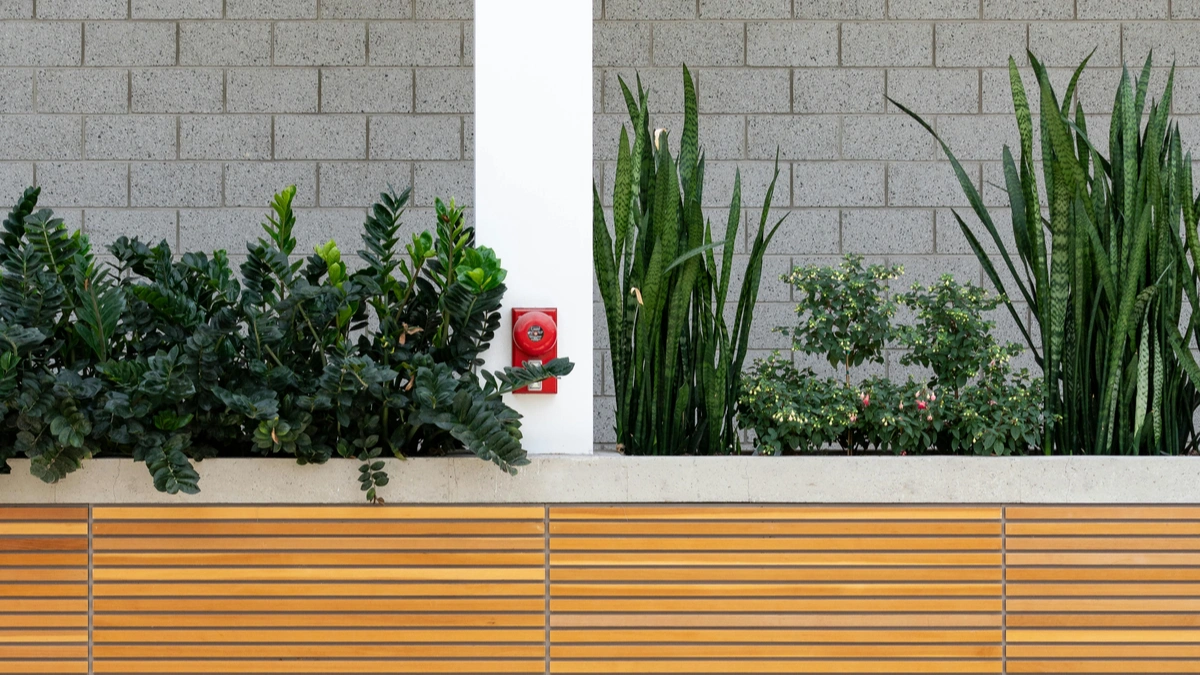
If I had to pick just one plant for a busy, modern home, I would choose the Snake Plant (Sansevieria or Mother-in-law’s Tongue). I love it because it quietly sits in a corner, stays green all year and forgives me even when I forget to water it for weeks.
When I started indoor gardening, Snake Plant was one of the first plants that actually survived my experiments. Over time, I’ve figured out a simple routine for watering, light, soil, pots and problem solving that works consistently for me, and that’s exactly what I’m sharing with you here.
If you’re building your first little indoor jungle, you may also enjoy: Best Indoor Plants for Beginners and Indoor Plant Lighting Guide.
Why I Love Growing Snake Plants Indoors
Here’s why I keep Snake Plants in multiple corners of my home:
- They handle low light and irregular watering very well.
- They don’t grow out of control quickly, so I’m not constantly pruning.
- They look super stylish in simple pots, especially terracotta and concrete ones.
- They create a clean, modern look that works in bedrooms, living rooms and work desks.
- They are great “confidence booster” plants – once you keep one alive, you feel ready for more.
For me, Snake Plants were the bridge between “I kill all plants” and “okay, maybe I can actually do this”.
How I Decide the Best Light for Snake Plants
I’ve tried Snake Plants in almost every light situation at home – from bright windows to dark corners – and here’s what I’ve noticed:
- In bright, indirect light, they grow faster, the leaves stand more upright and colours look deeper.
- In medium light, they stay healthy but grow more slowly, which is still fine for most people.
- In low light, they survive, but new leaves are rarer and the plant can look a bit “lazy”.
One mistake I made in the beginning was placing a Snake Plant in strong, direct afternoon sun behind glass. The leaves developed brown, burnt patches. Now, I keep them a little away from such windows or give them sheer curtains as a filter.
If you often get confused between bright and low light, keep this guide open in another tab: Indoor Plant Lighting Guide – Understanding Bright, Medium & Low Light.
My Watering Routine for Snake Plants
Watering is where I made the most mistakes at the start. I used to think more water means more love – big mistake. With Snake Plants, less water is almost always better.
Now I follow one simple rule:
I only water when the soil feels completely dry from the top and a bit deeper (2–3 inches).
How Often I Usually Water
- Summer: roughly every 10–14 days.
- Monsoon: every 2–3 weeks, because the air is already humid.
- Winter: once every 3–4 weeks – sometimes even less if the room is cool.
Instead of following a rigid schedule, I simply stick my finger into the soil. If it feels cool or even slightly moist, I wait. If it feels completely dry and the pot feels light, that’s my cue to water.
If you often overthink watering (like I used to), this article might help you see the difference more clearly: Overwatered vs Underwatered Plants – Exact Signs & Fixes.
The Soil Mix I Use for My Snake Plants
Because Snake Plants behave like succulents, I treat them like one when it comes to soil. My goal is always the same: water should drain out quickly, not sit around the roots.
The mix I usually use at home looks like this:
- 40% regular indoor potting soil
- 40% cactus or succulent mix
- 20% perlite, pumice or coarse sand
This gives me a light, airy medium that dries out at a comfortable pace. Whenever I tried heavier garden soil, the plant looked dull and the roots stayed too wet.
What Pots Work Best for Me
Over time, I have experimented with plastic, ceramic and terracotta for my Snake Plants. Here’s what I personally like:
- I prefer terracotta pots because they breathe and wick away extra moisture.
- If I use plastic or ceramic, I always make sure there are proper drainage holes.
- I avoid shifting Snake Plants into pots that are too big – a snug pot has worked better for me.
If you’re currently confused between different pot materials for all your indoor plants, you might find this helpful: Terracotta vs Plastic vs Ceramic Pots – Which Is Best Indoors?.
How Much Fertilizer I Give My Snake Plants
I treat Snake Plants like minimalists – they honestly don’t need a lot of food. In my experience, too much fertilizer can cause more harm than good.
- I use a balanced liquid fertilizer at half-strength.
- I feed only once every 4–6 weeks during the growing season (spring and summer).
- In winter, I simply stop fertilizing and let the plant rest.
Sometimes I add a very thin layer of vermicompost on top of the soil, but I keep it away from the base of the leaves so the centre doesn’t stay wet.
Common Problems I’ve Faced – And How I Fixed Them
Even though Snake Plants are tough, I’ve still managed to stress them a few times. Here are the most common issues I’ve personally seen and what I did.
1. Yellow or Mushy Leaves
For me, this has always been a sign of overwatering.
- I gently take the plant out of the pot and check the roots.
- If some roots are brown and mushy, I trim them off with clean scissors.
- I remove the worst affected leaves completely from the base.
- Then I repot in dry, fresh, fast-draining soil and water only after a week.
If several of your indoor plants have yellow leaves, not just Snake Plants, you may find this detailed guide useful: Indoor Plant Problems – Yellow Leaves (Causes & Fixes).
2. Wrinkled or Folding Leaves
When my Snake Plants get wrinkled or look like they are folding inwards, it usually means I’ve ignored them for too long.
- The soil is bone dry and pulled away from the sides of the pot.
- I give the plant a slow, deep watering until excess water drains out.
- Within a few days, the leaves usually plump up again.
3. Brown Leaf Tips
I’ve seen brown tips mostly when the air is very dry or when the plant has gone through inconsistent watering or hard water.
- I trim only the brown part of the tip, following the leaf’s original shape.
- I try to use filtered or rested tap water whenever possible.
- I avoid letting the soil ping-pong between extreme dryness and overwatering.
4. Soft Leaves Falling Over from the Base
Whenever I’ve seen leaves collapsing from the base, it has been a sign of serious root rot. At this stage, I usually rescue whatever I can and use the healthy parts for propagation.
How I Propagate My Snake Plants
I love propagating Snake Plants because it feels like getting free plants. Here are two methods I personally use.
Method 1 – Leaf Cuttings in Soil
- I pick a healthy leaf and cut it near the base.
- I cut the leaf into 5–7 cm sections and remember which side is the bottom.
- I let the pieces dry for a day or two so the cut ends can callus.
- Then I insert the bottom ends into slightly moist, well-draining soil.
- I keep the pot in bright, indirect light and water very lightly until new growth appears.
Method 2 – Dividing the Plant
This is my favourite method when the plant has grown into a dense clump.
- I slide the plant out of its pot and gently loosen the soil.
- I look for natural sections in the root ball and rhizomes.
- I separate one clump with leaves and roots attached.
- I plant it in a new pot with fresh soil and water lightly.
If you enjoy growing new plants from your existing ones (I definitely do), you’ll probably like this guide too: Grow Indoor Plants from Cuttings – Step-by-Step Propagation Guide.
Where I Like to Keep My Snake Plants
I use Snake Plants almost like decor pieces in my home. Some of my favourite spots:
- Bedroom corners near a window with soft, filtered light
- Next to the TV unit to balance all the electronics
- Beside the main door for a clean, welcoming look
- In the study or home office to add some green without demanding much care
They pair beautifully with other low-maintenance plants like ZZ Plant and Money Plant. If you’re planning a relaxing bedroom setup, have a look at: Best Indoor Plants for Bedroom – Low Light, Air Purifying & Safe.
Are Snake Plants Safe Around Pets and Kids?
I personally treat Snake Plants as “look, don’t chew” plants. They are considered mildly toxic if eaten in large amounts, especially for cats and dogs, so I’m careful about where I place them.
- I avoid keeping them on the floor if there’s a very curious pet at home.
- I prefer corners, shelves or plant stands that are not easily reachable.
- If a child or pet accidentally chews a leaf, I keep an eye on them and consult a doctor or vet if anything seems off.
Final Thoughts – The Plant I Recommend to Almost Everyone
If you’re just starting your indoor plant journey, I honestly feel the Snake Plant is one of the best “first plants” you can bring home. It taught me how to observe soil dryness, how light affects growth and how plants quietly adapt to our homes.
Once you get comfortable with Snake Plant care, it becomes much easier to understand and care for other indoor plants too. When you’re ready to expand your collection, I’d suggest pairing it with:
Money Plant (Pothos) Care – The Easiest Indoor Plant for Beginners and ZZ Plant Care Guide – Zero-Maintenance Indoor Plant You Can’t Kill.
About the Author