


Sustainable Office & Work-From-Home Setup — How I Created an Eco-Friendly Workspace
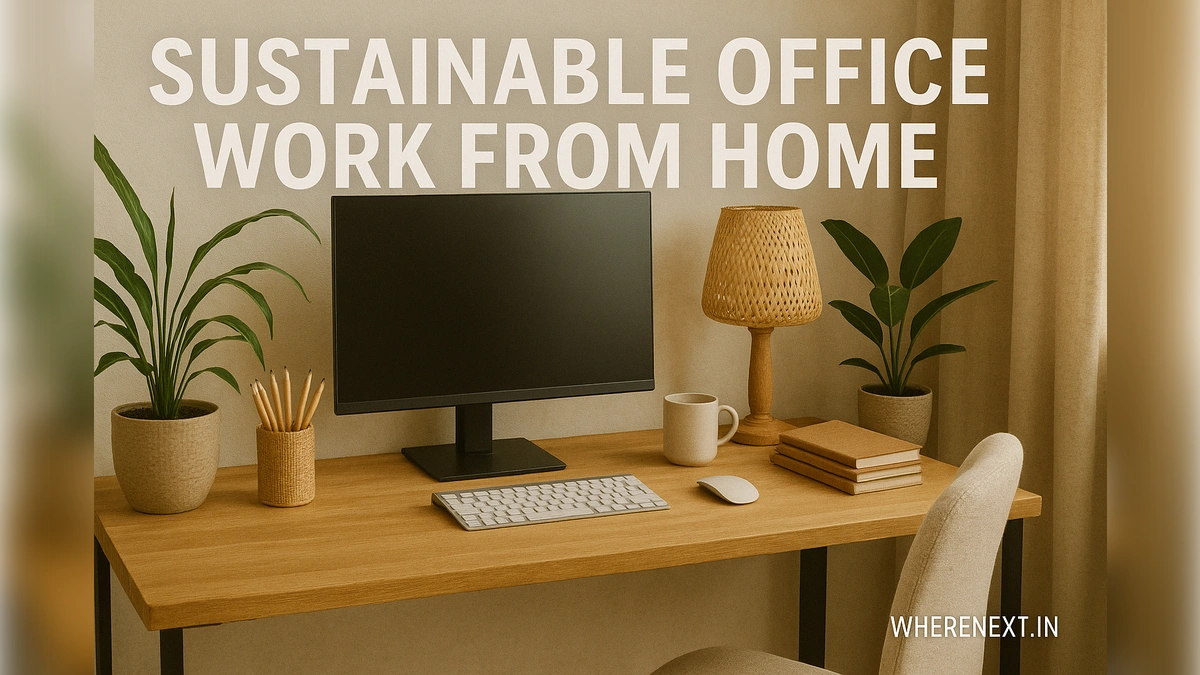
I spend hours a day at my desk — working, planning, writing, thinking. So when I started improving my home to be more eco-friendly, my workspace was one of the first places I looked at.
A messy plastic-filled desk always made me feel drained. Now, with a few simple changes, my work-from-home setup feels calm, clean and naturally inspiring.
Here’s everything I personally did to create a sustainable, low-waste and productive workspace.
1. Choosing natural light & simple lighting
I moved my table closer to a window so I rely more on daylight. For evenings, I use warm LED lamps instead of harsh white lights.
This saves energy and makes the room feel softer — especially when working late.
It fits perfectly with my home energy habits here:
👉 Energy-Saving Hacks I Use at Home
2. A clutter-free desk (my biggest productivity boost)
When my desk is neat, my mind feels clear. So I keep only 3 things on my table:
- my laptop
- a notebook
- a glass/steel bottle of water
Everything else goes into small organisers or drawers.
This is the same “less is more” approach I follow for the rest of my lifestyle:
👉 Ultimate Sustainable Living Guide
3. Reducing plastic in my workspace
Earlier, my desk had plastic trays, plastic stationery holders, plastic folders… all of which kept breaking.
Now I slowly switched to:
- metal or wooden pen holders
- glass or ceramic cups
- cloth/felt desk organisers
I replaced items only when old ones were worn out — the same way I reduce plastic in my whole home:
👉 How I Reduce Plastic in Daily Life
4. Reusable desk essentials that actually last
Some swaps genuinely made my desk feel nicer:
- a refillable pen instead of disposables
- a metal or bamboo water bottle
- a cloth napkin instead of tissues
- a sturdy notebook instead of many loose papers
A few of these have become my favourite home items overall:
👉 Eco-Friendly Home Products I Personally Love
5. Improving air quality around my desk
Working for long hours in a closed room can make the air feel stuffy. So I keep one or two easy-to-maintain plants near the desk.
- Snake plant
- Money plant
- Spider plant
They look good and keep the air fresh naturally.
6. Digital decluttering (the habit that changed the most)
Sustainability isn’t just physical — digital clutter drains energy too. I simplified my digital life by:
- moving files into clean folders
- deleting apps I don’t need
- turning off unnecessary notifications
This made my laptop faster and my mind calmer.
It’s part of the digital minimalist routine I follow:
7. Choosing energy-efficient devices
I didn’t buy everything new. I simply chose energy-efficient options whenever an upgrade was needed — especially:
- LED desk lamps
- low-power monitor
- laptop instead of desktop for most tasks
Little changes, but they add up.
8. Making the workspace feel peaceful
For me, a sustainable space is also a peaceful space. So I added a few things I personally love:
- a small wooden tray for keys or daily items
- a natural room fragrance (clove, orange peels, cinnamon sticks)
- a soft cloth mat instead of a synthetic mousepad
Nothing over-the-top — just things that make work feel lighter.
Final thoughts
A sustainable home office is not about buying expensive “eco-friendly” products. It’s about:
- using what you already have
- reducing unnecessary items
- making slow upgrades when needed
- keeping the space calm and comfortable
Small changes create a workspace that supports productivity and the planet at the same time.
About the Author