


Watering Indoor Plants Guide – How I Finally Stopped Overwatering & Underwatering
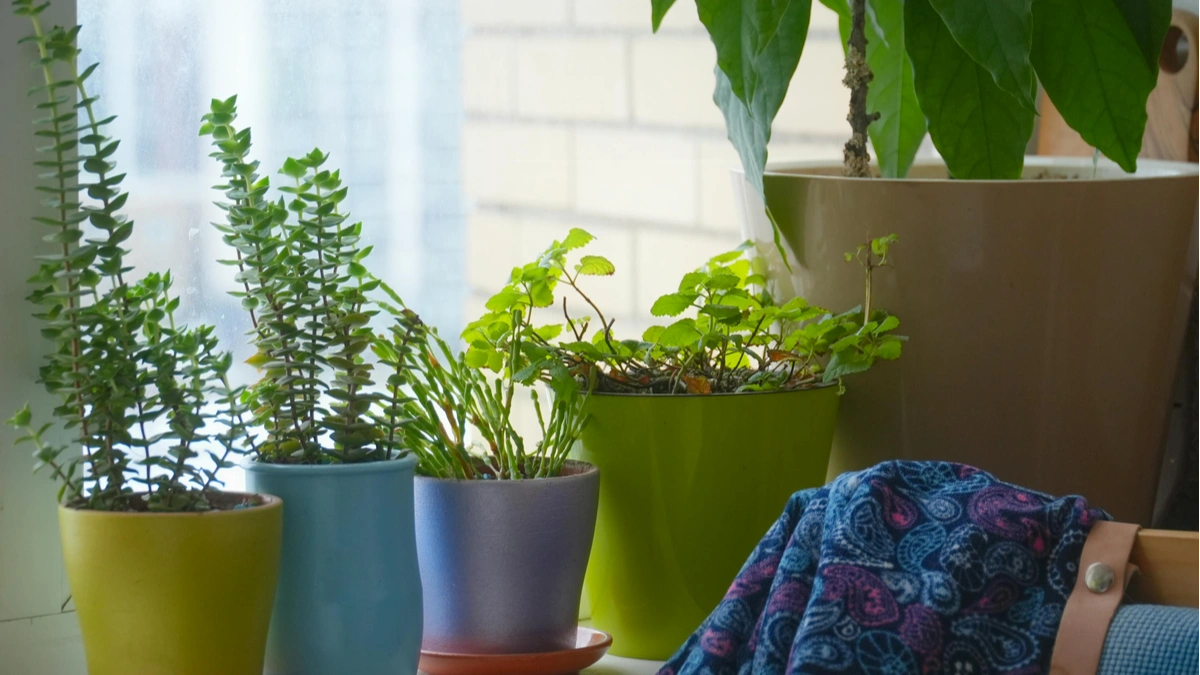
If there is one thing that has killed more of my plants than anything else, it’s watering – either way too much or way too little. For a long time, I guessed the schedule, gave “just in case” water, and then wondered why leaves turned yellow or droopy even though I was “taking care”.
Over time, I stopped treating watering like a fixed timetable and started treating it like a conversation with the plant and the soil. This guide is basically the system I follow now at home for all my indoor plants – from low-light corners to bright window spots.
If you’re just starting your indoor plant journey, you might also find Indoor Plants for Low Light and Best Potting Mix for Indoor Plants really helpful alongside this watering guide. They all work together.
Why Watering Indoor Plants Feels Confusing
Most of us grew up with the idea that plants need water “every day” or “every morning”. That might work for some outdoor plants in extreme heat, but indoor plants live in a completely different environment:
- Less direct sun → soil dries more slowly.
- Closed rooms → lower airflow, higher humidity.
- Pots instead of open ground → limited drainage space.
So if we treat them like garden plants, they quietly suffer. Once I accepted that there is no single “correct” schedule, watering finally started making more sense.
My Golden Rule: Water the Soil, Not the Calendar
The biggest mindset shift for me was this: I no longer water on a fixed day – I water when the soil asks for it.
Here’s my simple routine:
- I put my finger 2–3 cm into the soil.
- If it feels dry → it’s time to water.
- If it feels slightly cool or moist → I wait 1–2 more days.
Different plants in the same room can have different schedules, and that’s totally normal. A peace lily will droop when thirsty, while a snake plant stays chill even after many dry days.
How Often I Water Common Indoor Plants
This is not a strict rulebook, just my real patterns in typical room conditions:
- Snake plant & ZZ plant: Every 10–20 days (sometimes more in winter).
- Money plant & pothos: Every 5–7 days, depending on pot size and light.
- Peace lily: Every 3–5 days (loves slightly moist soil).
- Ferns: Every 2–4 days – they hate drying out completely.
- Indoor herbs: Every 2–4 days, but only after checking soil.
If your home is very dry or very humid, these gaps might change. That’s why the soil check matters more than any chart.
Choosing the Right Pot & Drainage (Secret of Safe Watering)
The second thing that completely changed my watering life was choosing the right pots. If your pot has poor drainage, even perfect watering habits can fail.
I personally stick to:
- Pots with clear drainage holes at the bottom.
- Light, airy potting mix (not heavy garden soil).
- A plate/tray under the pot that I empty after watering.
For my indoor setup, I follow the same soil principles I use in Best Potting Mix for Indoor Plants, because a good mix makes watering much more forgiving.
Exactly How I Water My Indoor Plants
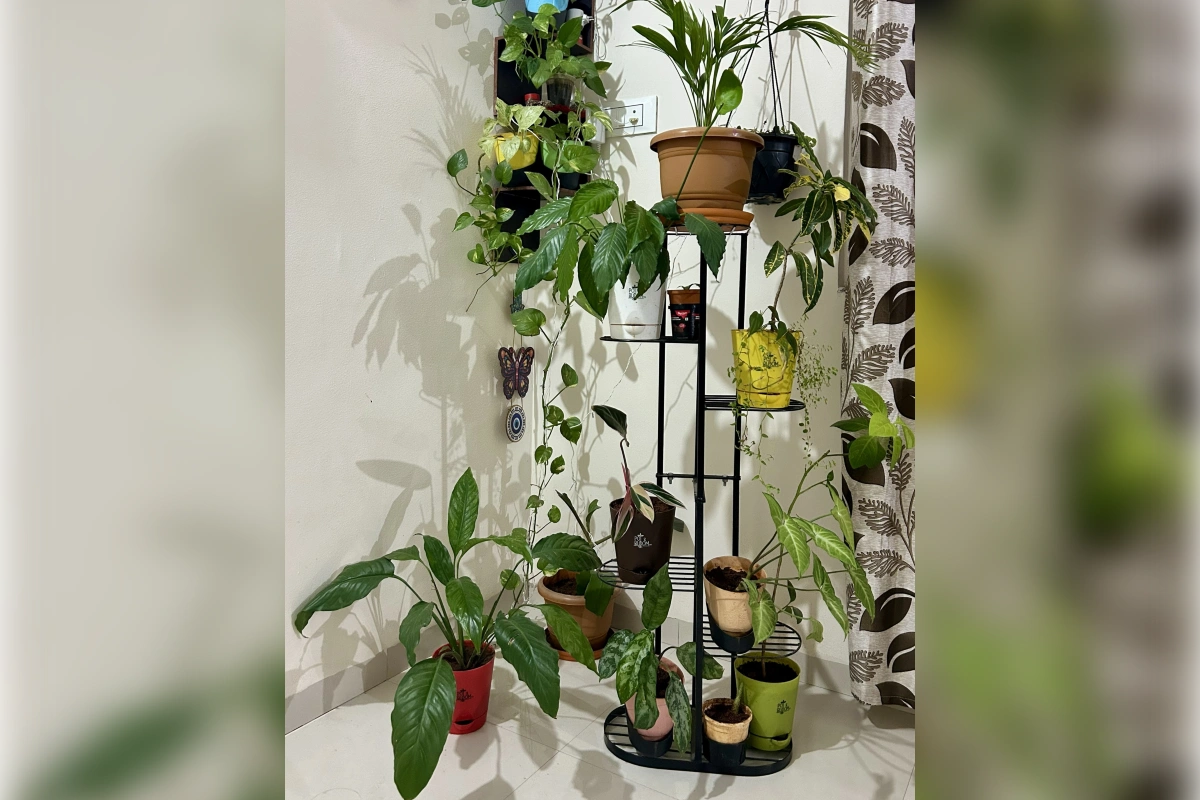
When it’s time to water, I don’t just splash a little on top. I follow this simple method:
- I take the plant to a sink, bathroom or balcony (if possible).
- I slowly pour water until I see it coming out of the drainage holes.
- I let it drain completely for a few minutes.
- Then I put it back on its tray and empty any extra water from the tray after 10–15 minutes.
This way, I know the entire root zone is hydrated, but the plant is not sitting in stagnant water afterwards.
Signs You’re Overwatering Your Indoor Plants
For the longest time, I thought dry leaves meant “more water”. In reality, many of those plants were drowning. Some classic overwatering signs I’ve learned to notice:
- Leaves turning yellow but soil still feels wet.
- Lower leaves dropping regularly.
- Soil smells musty or sour.
- Fungus gnats (small black flies) hanging around the pot.
If this sounds familiar, pause watering until the soil gets dry deeper inside. In some cases you might even need to gently change the soil to fresh, airy mix.
Signs Your Plants Are Thirsty (Underwatering)
Underwatering is usually easier to fix than overwatering, but it still stresses plants.
Typical signs:
- Leaves drooping more than usual (especially in peace lily, pothos).
- Soil pulling away from the sides of the pot.
- Very light pot weight compared to normal.
- Brown, crispy edges on leaves.
In this case, a deep soaking (like we discussed earlier) usually perks them up in a day or two.
Watering Indoor Plants in Different Seasons
My watering schedule automatically shifts with the weather:
- Summer: Soil dries faster → I check more often.
- Monsoon (in humid cities): Soil dries slowly → I skip more days.
- Winter: Plants rest more → I reduce watering drastically.
During winter, many plants just want to be left alone with barely moist soil, especially low-light ones. If you also keep plants on your balcony, my Balcony Gardening Setup guide explains how I handle seasonal changes outdoors.
Filtered, Stored or Tap Water – What I Personally Use
At home, I mostly use normal tap water for my plants. A few things I like to do:
- I let the water sit in a bucket or can for a few hours before using (helps chlorine evaporate).
- I avoid using extremely cold water directly from the tap in winter.
- I sometimes use leftover drinking water from bottles instead of throwing it away.
If your tap water is extremely hard, filtered or stored water might work better for sensitive plants.
Using Self-Watering Systems for Busy Days
On weeks when I know I’ll be busy or travelling, I love using simple self-watering tricks:
- Wicking systems with cotton strings from a water bottle to the pot.
- Self-watering pots with a small reservoir at the bottom.
- Grouping plants together so humidity stays slightly higher.
If you’re curious about this, I’ve shared more ideas in DIY Self-Watering System for Plants. It has a few setups you can build with things already at home.
Common Mistakes I Stopped Making (And You Can Avoid Too)
A few watering mistakes I personally had to unlearn:
- Watering all plants on the same day “for convenience”.
- Leaving water sitting in trays for days.
- Using heavy soil that never really dries out.
- Watering late at night in cool months.
Once I changed these, my plants started surviving longer than 3–4 months (which used to be my unspoken record 😅).
Building Your Own Watering Routine
You don’t need a fancy plant app or complex schedule. A simple, personal routine is enough:
- Pick two “check days” per week (for example, Wednesday & Sunday).
- On those days, walk around your plants with a cup or watering can.
- Check soil with your finger, not just your eyes.
- Water only the pots that feel dry.
Over time, you’ll start remembering which plant dries out faster and which one likes to stay slightly damp. This is when watering starts feeling easy instead of stressful.
About the Author