


White Fungus on Plant Soil – Natural Remedies That Really Work
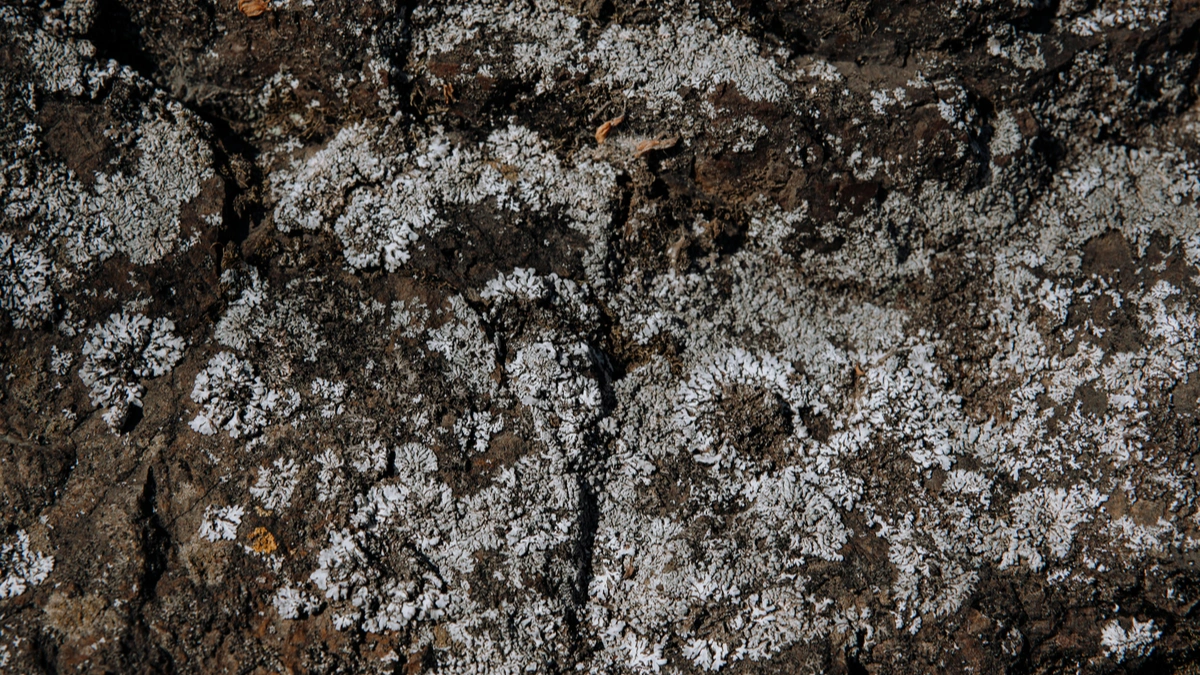
You water your favourite indoor plant, place it back on the shelf… and a few days later, you notice a white, fuzzy layer growing on the soil. It looks like fungus or mould, and the first thought is usually: “Is this dangerous for my plant?”
The short answer: in most cases, white fungus on soil is more of a warning sign than an instant plant killer. It tells you that the pot is staying too damp, the soil is very rich in organic material, or the airflow is low. All of these are fixable.
This guide explains what that white growth actually is, why it appears, and how to remove it using simple, natural methods – without harsh chemicals and without harming your plants. If you’re also dealing with yellow leaves or watering confusion, you may want to open these in a new tab: Indoor Plant Problems – Yellow Leaves (Causes & Fixes) and Overwatered vs Underwatered Plants – Exact Signs & Fixes.
What Is the White Fungus on Plant Soil?
The white layer seen on indoor plant soil is usually:
- A type of saprophytic fungus that feeds on decaying organic matter in the soil, or
- A film of harmless mould encouraged by constant moisture and low airflow.
These fungi break down organic materials like compost, cocopeat, bark pieces or fallen leaves. In small amounts, they’re normal in living soil. The problem is when they spread across the surface, indicating that the soil is almost always damp and conditions favour fungus more than roots.
So the goal is not just to scrape away the white layer, but to correct the conditions that are encouraging it.
Main Reasons White Fungus Appears on Indoor Plant Soil
Understanding the cause helps you choose the right fix. The most common reasons are:
- Overwatering: soil stays wet for many days, especially in low light.
- Poor drainage: pots without holes or blocked drainage keep water trapped.
- Heavy or compacted soil: not enough air pockets, water can’t drain properly.
- Very high organic content: thick layer of compost or mulch on top.
- Low airflow: plants squeezed together with little air movement.
- Cool, humid conditions: rooms with limited sunlight and ventilation.
You don’t need to change everything at once. Start with water and drainage, then adjust soil and airflow if the problem keeps returning.
Step 1 – Is the Fungus Only on Top or Deep in the Soil?
Before you start treating, it helps to check how deep the problem goes.
- If the white growth is only on the surface, it’s usually easier to manage.
- If fungus appears deep in the soil, roots smell bad or the plant looks very weak, it may be linked to root rot from overwatering.
Carefully loosen the top few centimetres of soil with your fingers or a spoon. If the fungus is just a thin film on top and below it looks normal, you’re in a better position – surface treatment plus better watering usually solves it.
Natural Methods to Remove White Fungus from Soil
Here are gentle, practical steps that work for most indoor plants.
1. Scrape Off the Affected Top Layer
- Use a clean spoon or small trowel.
- Remove 1–2 cm of the top soil where the fungus is most visible.
- Discard this soil – don’t recycle it into other pots or compost for now.
- Add a thin layer of fresh, dry potting mix on top.
This immediately reduces the fungal load and improves the look of the pot.
2. Let the Top Soil Dry Between Waterings
Fungus loves constantly damp surfaces. Allowing the top to dry a little between waterings makes it less comfortable for mould to grow.
- Always check the soil with your finger before watering.
- For most indoor plants, it’s safe to let at least the top 2–3 cm dry out.
If watering patterns are confusing, this seasonal guide can help you adjust: Indoor Plant Watering Schedule by Season (Summer, Winter, Monsoon).
3. Improve Airflow Around the Plant
- Give plants a little space between each other.
- A ceiling fan on a low setting or occasionally open windows helps a lot.
- Avoid keeping plants permanently in very dark, closed corners.
Safe Home Remedies You Can Try
After removing the top layer and letting the soil dry a bit, these simple additions can help discourage fungus from returning.
1. Cinnamon Powder
Cinnamon is a popular natural anti-fungal option used by many home gardeners.
- Sprinkle a light dusting of cinnamon powder on the surface of the soil.
- Do not apply in very thick layers – a little goes a long way.
2. Mild Neem Solution
Neem oil or neem-based plant solutions can help if the fungus is persistent.
- Mix a mild neem solution as per the instructions on the product.
- Water the plant lightly with this solution or spray the top soil.
- Use occasionally, not every watering, to avoid overdoing it.
3. Repotting in Severe Cases
If the fungus keeps returning, the plant smells musty or looks weak, a full repot can reset everything.
- Gently remove the plant from its pot.
- Shake off excess soil and inspect the roots.
- Trim away any black, mushy or rotten roots with clean scissors.
- Repot in fresh, well-draining potting mix and a pot with proper drainage holes.
For long-term health of indoor plants, the right potting mix makes a big difference. You can explore more here: Best Potting Mix for Healthy Indoor Plants.
How to Prevent White Fungus from Coming Back
Once the soil looks clean again, a few small habits keep it that way.
- Water with intention: avoid frequent small sips; water deeply, then let the top dry.
- Use the right soil: light, airy mixes with good drainage are less prone to fungus.
- Choose proper pots: every pot should have drainage holes – no exceptions.
- Don’t over-mulch indoors: thick layers of coco chips or compost on top can trap moisture.
- Remove fallen leaves: regularly clear dead leaves from the surface of the soil.
Is White Fungus Dangerous for You or Your Home?
Most common white moulds found on indoor plant soil are more of a visual problem than a serious health hazard. However:
- People with strong allergies or asthma may feel sensitive to mouldy environments.
- It’s better not to inhale dust from very mouldy soil when disturbing it.
- Washing hands after handling affected soil is always a good habit.
If someone at home is medically sensitive to mould, it’s worth acting quickly when you notice fungus, and keeping affected plants in well-ventilated areas while you treat them.
White Fungus vs Gnats, Yellow Leaves & Root Rot
White fungus on soil often appears along with other symptoms that point to a bigger pattern.
- Fungus + tiny flying insects: this suggests fungus gnats, which love constantly damp soil.
- Fungus + yellow, soft leaves: this could indicate overwatering and root stress.
- Fungus + bad smell: a sign you should check the roots for rot and possibly repot.
If gnats are flying around your pots, this guide will help you deal with them naturally: How to Remove Gnats from Indoor Plants – Natural & Safe Methods.
If many of your plants also have yellow leaves, it’s worth going through this full checklist: Indoor Plant Problems – Yellow Leaves (Causes & Fixes).
Which Plants Are More Prone to White Fungus on Soil?
Some plant setups naturally encourage more surface fungus than others, especially when:
- The soil has lots of compost, cocopeat or bark.
- The pot is large and stays wet for long periods.
- The plant is kept in low light but watered frequently.
Peace Lily, Rubber Plant, Money Plant in big decorative pots and some ferns often show this issue if they’re watered a bit too generously and kept in darker corners.
The solution is rarely to “throw away” the plant. Small changes in watering, soil and placement are usually enough to keep them healthy and fungus-free.
Final Thoughts – Don’t Let a Little Fungus Scare You
Seeing white fungus on plant soil can be alarming, but it’s simply a sign that conditions are a little too comfortable for mould and not ideal for roots. Once you know how to respond – scrape, dry, improve airflow and adjust watering – it becomes a manageable part of indoor plant care.
Focus on creating a healthier environment rather than chasing every tiny white patch. Healthy roots in good soil, with the right water and light, will always win in the long run.
For next steps, you might enjoy these guides that connect closely with this topic:
Overwatered vs Underwatered Plants – Exact Signs & Fixes
How to Remove Gnats from Indoor Plants – Natural & Safe Methods
Best Potting Mix for Healthy Indoor Plants
About the Author