


Why Indoor Plants Die – 12 Common Mistakes & How to Fix Them
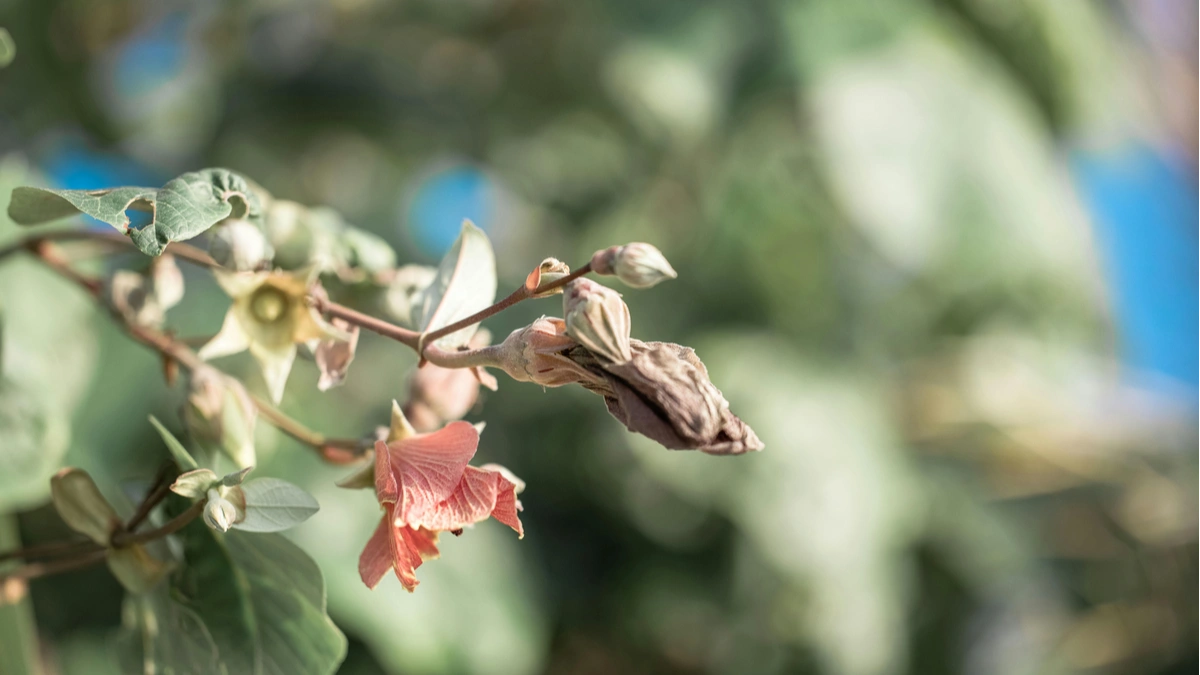
If you're wondering why your indoor plant is suddenly turning yellow, drooping or drying from the tips — you're not alone. Indoor gardening looks simple, but small mistakes can slowly damage a plant without us realising it. The good news? Most plant problems are easy to fix once you understand what caused them.
In this guide, I’ll walk you through the 12 most common reasons indoor plants die and exactly what you can do to save them.
If you're new to indoor gardening, you may also want to read: Easy Indoor Plants for Beginners.
1. Overwatering – The Most Common Cause
Overwatering suffocates roots, creates fungal growth and leads to root rot. If the soil feels wet, smells bad or the leaves are yellowing from the bottom — the plant is drowning.
Fix:
- Water only when the top 2–3 cm of soil is dry
- Check pot drainage holes
- Use light, airy soil
- Remove saucers that collect water
If watering confuses you, read the full guide: Indoor Plant Watering Guide.
2. Underwatering – Dry Soil & Crispy Leaves
If the soil pulls away from the pot edges or leaves feel dry and crispy, the plant is thirsty. Some plants like pothos recover quickly, while others struggle if the soil stays dry for too long.
3. Low Light – Slow Growth & Pale Leaves
Most indoor plants don’t need direct sun, but they do need enough brightness to stay alive. Low light leads to leggy stems, pale leaves and slow or no growth.
Check the best low-light options: Indoor Plants for Low Light.
4. Wrong Potting Mix
Regular garden soil is too heavy for indoor plants. Poor drainage = root rot and suffocation.
Use a potting mix designed for airflow. See guide: Best Potting Mix for Indoor Plants.
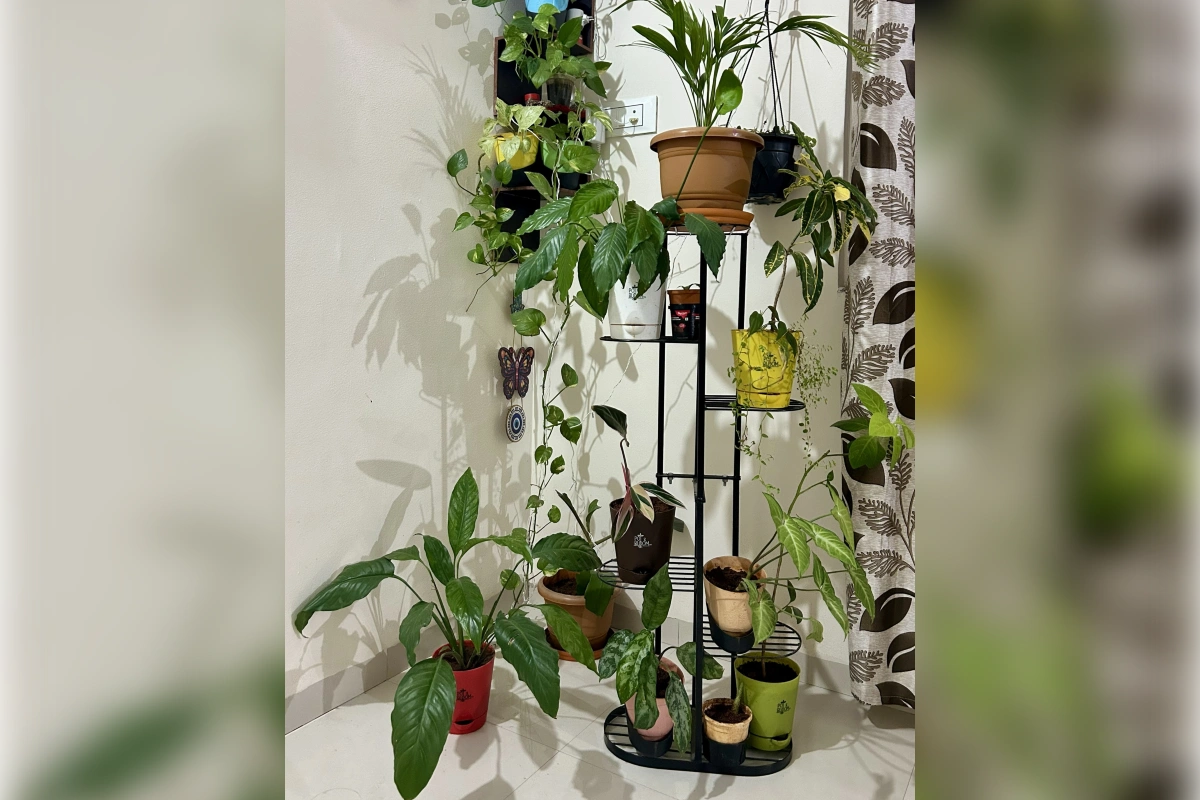
5. No Drainage Holes
If water can’t escape, roots rot. Always use pots with holes — or create some if you're using recycled containers.
6. Sudden Temperature Changes
Direct AC air, heaters, or cold drafts can shock plants. Leaves may curl, droop or get brown tips.
7. Low Humidity
Tropical plants like peace lily, areca palm and ferns need humidity. Dry indoor air (especially in winter) makes their leaf tips brown.
8. Too Much Sun
Indoor plants burn easily. Brown crispy patches on leaves = sunburn.
9. Pests (Mealybugs, Spider Mites, Fungus Gnats)
Pests spread fast and weaken plants dramatically. Look under leaves for white cottony spots, webbing or tiny flying insects.
Fix them naturally using this guide: Natural Pest Control for Indoor Plants.
10. Wrong Pot Size
A pot too big stays wet too long. A pot too small restricts root growth. Both cause stunted or dying plants.
11. Using Hard Tap Water
Minerals in tap water can cause white spots on leaves, brown edges and slow growth.
Fix:
- Use filtered water if possible
- Let tap water rest overnight
- Use rainwater or RO waste water for hardy plants
12. Lack of Nutrients
If leaves turn pale, growth slows or older leaves drop — the plant needs food. Natural fertilizers keep indoor plants healthy without burning the roots.
Learn easy homemade solutions: Natural Fertilizers for Plants.
Final Thoughts – Most Plants Can Be Saved
Indoor plants rarely die overnight. They send signals — yellow leaves, drooping, dry soil, fungus or slow growth. Once you understand these signs, you can fix almost any plant problem.
If you're building a healthy indoor garden, also explore: Easiest Plants for Beginners and Indoor Plant Watering Guide.
About the Author