


Indoor Plant Problems – Yellow Leaves (Causes & Fixes)
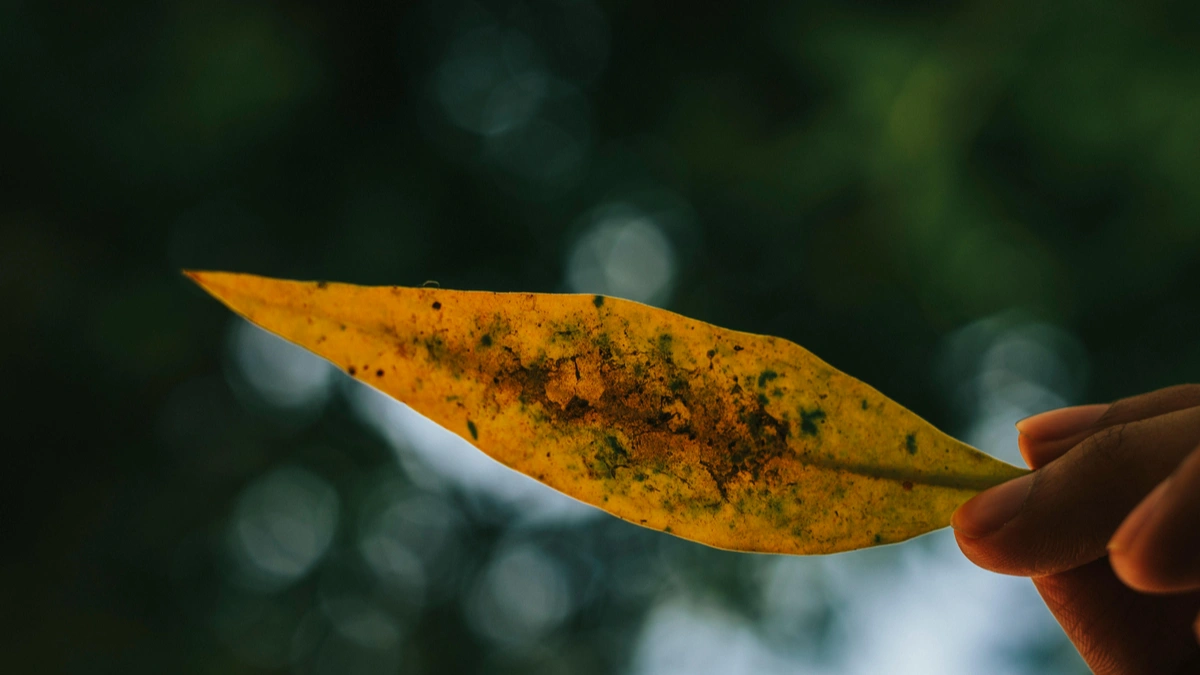
Almost every indoor gardener reaches this moment: you walk past a favourite plant and notice one leaf has turned yellow… then another… and suddenly it feels like the whole plant is going in the wrong direction.
Yellow leaves don’t always mean the plant is dying, but they do mean it’s trying to tell you something. The good part is that the message is often quite logical – once you know what patterns to look for, it becomes much easier to fix the real problem.
This guide is designed like a simple troubleshooting map. Instead of guessing, you’ll check water, soil, light and a few other factors in order. By the end, you’ll know whether your plant needs less water, more light, a better pot – or just a little pruning. If you’re new to indoor gardening, you may also enjoy: Best Indoor Plants for Beginners and Indoor Plant Watering Schedule by Season (Summer, Winter, Monsoon).
Step 1 – Check the Soil: Is It Too Wet or Too Dry?
The first check is always the soil. Most yellow-leaf situations come from watering issues – either too much or too little.
Push a finger 2–3 cm into the soil:
- If it feels very wet or soggy, overwatering is likely.
- If it feels bone dry and pulling away from the pot, underwatering is more likely.
If the Soil Is Too Wet (Overwatering)
- Yellowing usually starts from lower, older leaves.
- The plant may look droopy even though the soil is wet.
- There might be a smell of rot or stale water.
What to do:
- Let the soil dry out more than usual before the next watering.
- Check that the pot has drainage holes and they’re not blocked.
- Remove any water sitting in outer covers or trays.
- If roots smell bad or look mushy, repot into fresh, well-draining soil.
If the Soil Is Very Dry (Underwatering)
- Leaves may turn yellow and crispy, especially at the tips and edges.
- The plant looks limp and the pot feels very light.
- Soil shrinks away from the sides of the pot.
What to do:
- Give the plant a slow, deep drink until water drains from the bottom.
- For very dry soil, water once, wait, then water again so it fully rehydrates.
- Follow a more consistent watering pattern going forward.
If you’re still unsure which side you’re on, this detailed guide is helpful: Overwatered vs Underwatered Plants – Exact Signs & Fixes.
Step 2 – Look at the Pattern of Yellowing
The position and style of yellow leaves tell you a lot about what’s happening.
Only Old, Lower Leaves Are Yellow
If older leaves at the bottom are turning yellow and falling off while new growth looks healthy, the plant might simply be:
- Shedding older leaves naturally
- Re-adjusting to a new light level or new home
In this case:
- Remove the yellow leaves with clean scissors.
- Keep watering and light conditions stable.
- Watch for new healthy growth – that’s a good sign.
New Leaves Are Yellow or Pale
If the newest leaves come in pale, weak or yellowish:
- The plant might not be getting enough light.
- There could be a nutrient imbalance in the soil.
- Sometimes roots are too crowded and need more space.
We’ll look at light and nutrients in the next steps.
Step 3 – Check the Light: Too Much or Too Little?
Light and water always work together. Even if watering is correct, the plant may still show yellow leaves if the light is very wrong for that species.
Too Little Light
Signs of low light:
- New leaves smaller and thinner than older ones.
- Long gaps between leaves on the stem (leggy growth).
- Soil staying wet for a long time because the plant isn’t using much water.
What helps:
- Move the plant closer to a bright window with indirect light.
- Rotate the pot every few weeks for even growth.
- Combine a better light spot with slightly less frequent watering.
Too Much Harsh Direct Sun
Signs of too much sun:
- Yellow patches that turn brown and crispy.
- Leaves feel thin and dry where the sun hits most strongly.
- Soil drying out extremely fast.
What helps:
- Move the plant a little away from the window or behind a sheer curtain.
- Water more thoughtfully if the pot sits in a very hot spot.
If you’re still learning how to read light levels for different rooms, this guide makes it easier: Indoor Plant Lighting Guide – Understanding Bright, Medium, Low Light.
Step 4 – Check the Pot, Drainage & Soil Quality
Sometimes the problem isn’t how you water, but where the water goes after that.
Pot & Drainage
- A pot without drainage holes traps water at the bottom.
- Roots sit in stale water and slowly rot, causing yellow leaves.
- Heavy, compacted soil suffocates roots over time.
What to do:
- Make sure every plant has proper drainage holes.
- If the pot sits in a decorative cover, empty excess water from the bottom.
- Repot into a well-draining mix if the current soil is heavy and slow-drying.
Soil Problems
Over time, soil can:
- Break down and become compact, reducing airflow.
- Develop white fungus or mould on top.
- Collect salts from tap water and fertilizer.
If you see a white layer on the soil or it smells stale, this guide can help: White Fungus on Plant Soil – Natural Remedies That Really Work.
Step 5 – Consider Nutrients & Fertilizer
Nutrient issues are less common in new plants, but they do show up in older ones that have lived in the same pot and soil for years.
Under-Fertilizing
- New leaves come in smaller, paler or slightly yellowish.
- Overall growth feels slow, even during the growing season.
Fix:
- Use a balanced liquid fertilizer at half-strength once every 4–6 weeks during spring and summer.
- Avoid overfeeding – small, regular doses are enough indoors.
Over-Fertilizing
- Leaf tips and edges turn brown or burned.
- White crust forms on top of the soil.
Fix:
- Flush the soil by watering deeply so extra salts drain out.
- Reduce fertilizer frequency or switch to a gentler product.
Step 6 – Check for Pests & Hidden Stress
Some pests cause yellow leaves by sucking sap from the plant or attacking roots.
- Spider mites: tiny dots, fine webbing, speckled yellow leaves.
- Mealybugs: white cottony patches along stems and leaf joints.
- Fungus gnats: small flies around the soil that love constantly wet pots.
What helps:
- Wipe leaves with a soft cloth and mild soapy water (especially for mealybugs).
- Let the top soil dry more if fungus gnats are present.
- Remove heavily affected leaves or stems.
For gnats specifically, you can use sticky traps and adjust watering. Full guide here: How to Remove Gnats from Indoor Plants – Natural & Safe Methods.
When Yellow Leaves Are Actually Normal
Not every yellow leaf is a crisis. Sometimes it’s just part of the plant’s natural cycle.
- Old leaves at the bottom of Money Plant, Snake Plant or Peace Lily eventually age and drop.
- Plants often shed a few leaves while adjusting to a new home, pot or light level.
- Seasonal changes can temporarily slow growth and shift how the plant uses its older leaves.
If the yellowing is slow, limited to older leaves and new growth looks healthy, gentle pruning and patience are usually enough.
How to Prevent Yellow Leaves in the Future
After the emergency is under control, a few simple habits keep most indoor plants stable:
- Match plant type to the light you actually have, not just the pot you like.
- Use a well-draining mix and pots with drainage holes.
- Follow a seasonal watering rhythm instead of fixed dates.
- Check leaves and soil briefly once a week for early signs of stress.
If you want a simple seasonal view of watering, bookmark: Indoor Plant Watering Schedule by Season (Summer, Winter, Monsoon).
Which Plants Handle Yellow-Leaf Drama Better?
Some plants are simply more forgiving when care isn’t perfect. If yellow leaves are a constant theme, it might be worth choosing more tolerant plants for your space.
- Snake Plant – handles low light and irregular watering well.
- ZZ Plant – famous for surviving neglect and low light.
- Money Plant – grows fast and forgives many small mistakes.
You can find more low-stress options here: Best Indoor Plants for Beginners.
Final Thoughts – Don’t Panic at the First Yellow Leaf
Yellow leaves feel scary the first time, but they are also a useful signal. Once you get used to checking soil, light, pot and pests one by one, troubleshooting becomes much calmer and faster.
Plants respond slowly, so small, steady changes usually work better than big, sudden moves. Fix the cause, trim the damaged leaves and focus on how the new growth looks – that’s the real health indicator.
For specific plant-by-plant help, you can dive into these care guides next:
Snake Plant Care Guide – Watering, Soil, Light & Common Problems
Money Plant (Pothos) Care – The Easiest Indoor Plant for Beginners
Peace Lily Plant Care – Watering, Light & Blooming Tips
About the Author